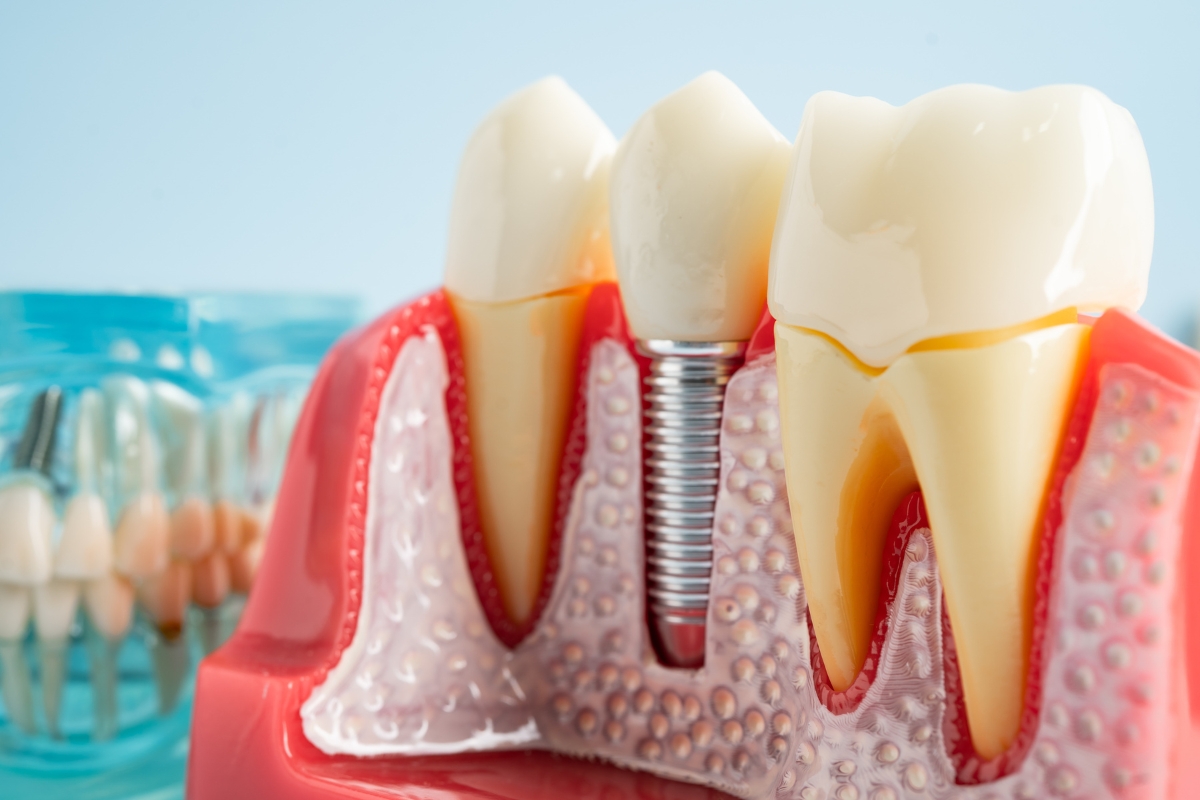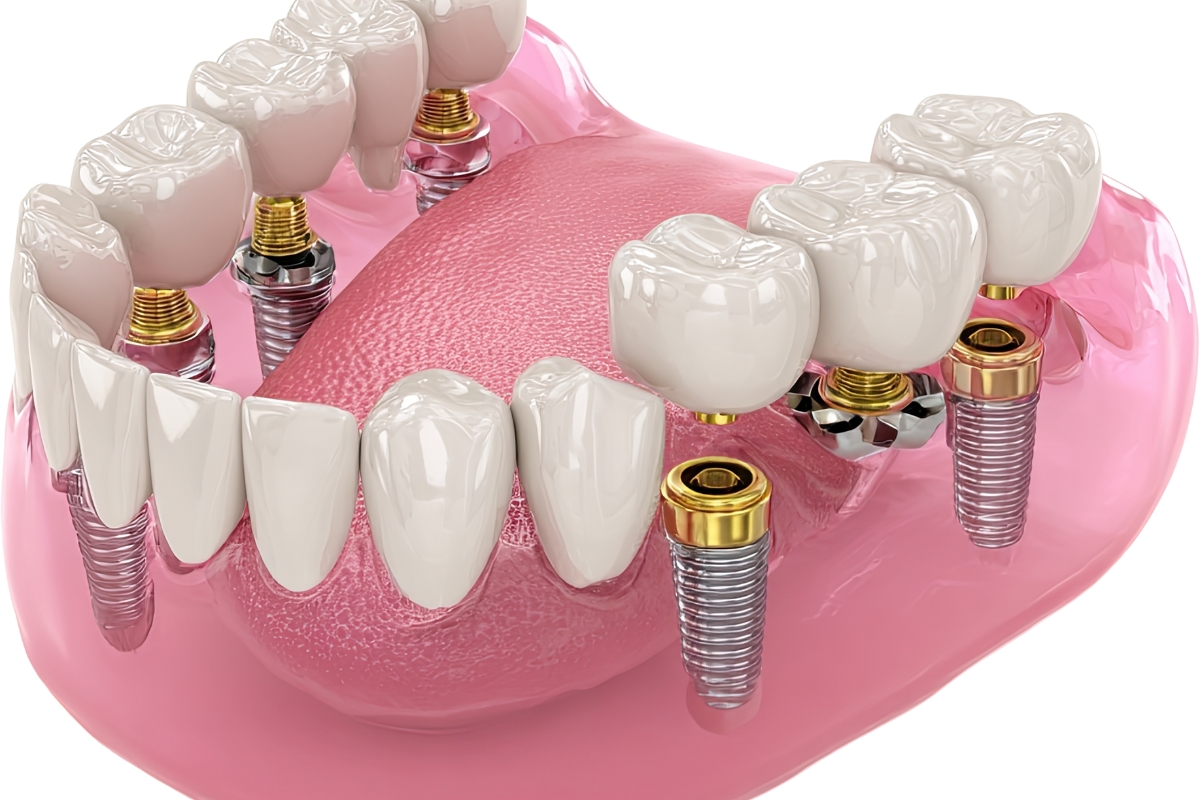

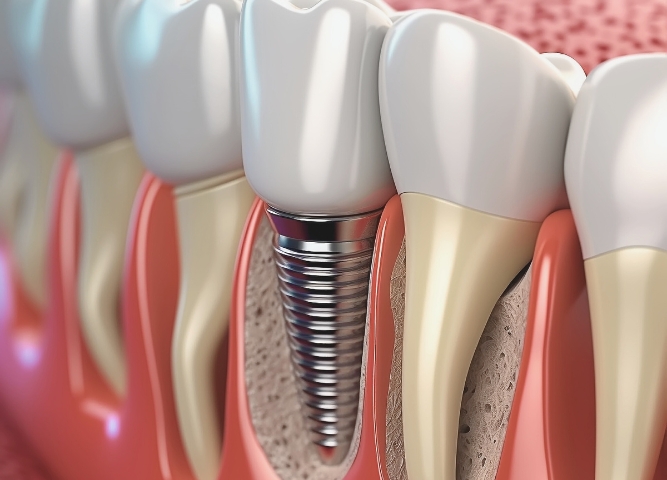
You’ve likely heard about dental implants before—maybe you’ve even considered them. But today’s implants are far more advanced than the ones people talked about a decade ago. What was once a complex and time-consuming process has transformed into a highly streamlined and patient-focused experience.
No matter your situation with missing teeth, bone loss, or ill-fitting dentures, the evolution of dental implants is revolutionizing the whole conversation, behind the scenes, with confidence, and with quantifiable, accountable results. They’re not mere appearances; they’re changing oral function and future health in significant ways. Let’s discuss the five cutting-edge trends in dental implant technology you should know about if you’re considering a long-term tooth replacement solution.
1. 3D Imaging and Digital Treatment Planning
Advanced 3D cone beam computed tomography (CBCT) is the implant planning gold standard. This three-dimensional image provides a complete panoramic view of the jawbone and adjacent structures.
So what’s in it for you?
- More precise implant placement with fewer variables
- Measurable bone density to the very millimeter
- Quicker and more consistent results
With computer planning, the entire procedure, from guide preparation to prosthesis preparation, is tailored and pre-programmed before the first motion.
2. Robotic-Assisted Guided Implant Surgery
Hands-on placement of dental implants is being replaced by computer-aided procedures. Robots and artificial intelligence-controlled devices are becoming more commonly used by surgeons to provide accuracy and shorten surgery time.
While not every dental clinic utilizes robotic systems today, the trend is picking up in cities such as Chicago, where technology is sweeping patient treatment. The systems guarantee more uniform outcomes and fewer post-surgery complications.
3. Smart and Biocompatible Materials for Implants
Titanium is still in vogue, but newer systems like zirconia are gaining mainstream popularity. They are metal-free, tooth-colored, and bio-inert, the best for metal-allergic patients.
Also, bone growth-promoting surface treatments are being introduced to implants. The bioactive surfaces induce healing and osseointegration, and the implant fixes itself into the jawbone.
4. Immediate Load Dental Implants
The implants used to heal for months before a crown could be mounted on them. Now, immediate load implants provide the same-day placement of teeth in certain cases.
But this is not for every patient. Bone quality, biting forces, and gums are all considerations. But in the right patients, it reduces treatment time significantly and restores smiles more rapidly.
This is one of the most debated trends in dental implant technology—and deservedly so.
5. Growth Factors and Regenerative Techniques
Bone loss was previously a significant hurdle. Guided bone regeneration (GBR) and platelet-rich fibrin (PRF) now allow clinicians to replace absent bone and soft tissue biologically.
Both of these procedures use the body’s own healing process to rebuild the jaw for implant acceptance. In previously spoken patients who were not good candidates for implants, this can change the outlook, although results are variable per patient.
Choosing dental implants is an important process, but thanks to today’s technology, never safer, more comfortable, or more specifically designed for your needs. From digital impressions to biomaterials and regenerative technology, the process of obtaining a natural-smiling smile has never been closer.
Want to know if these technologies are right for you? Make an appointment with your prosthodontist and see the technology in action. Don’t delay—your healthiest smile is only one appointment away.