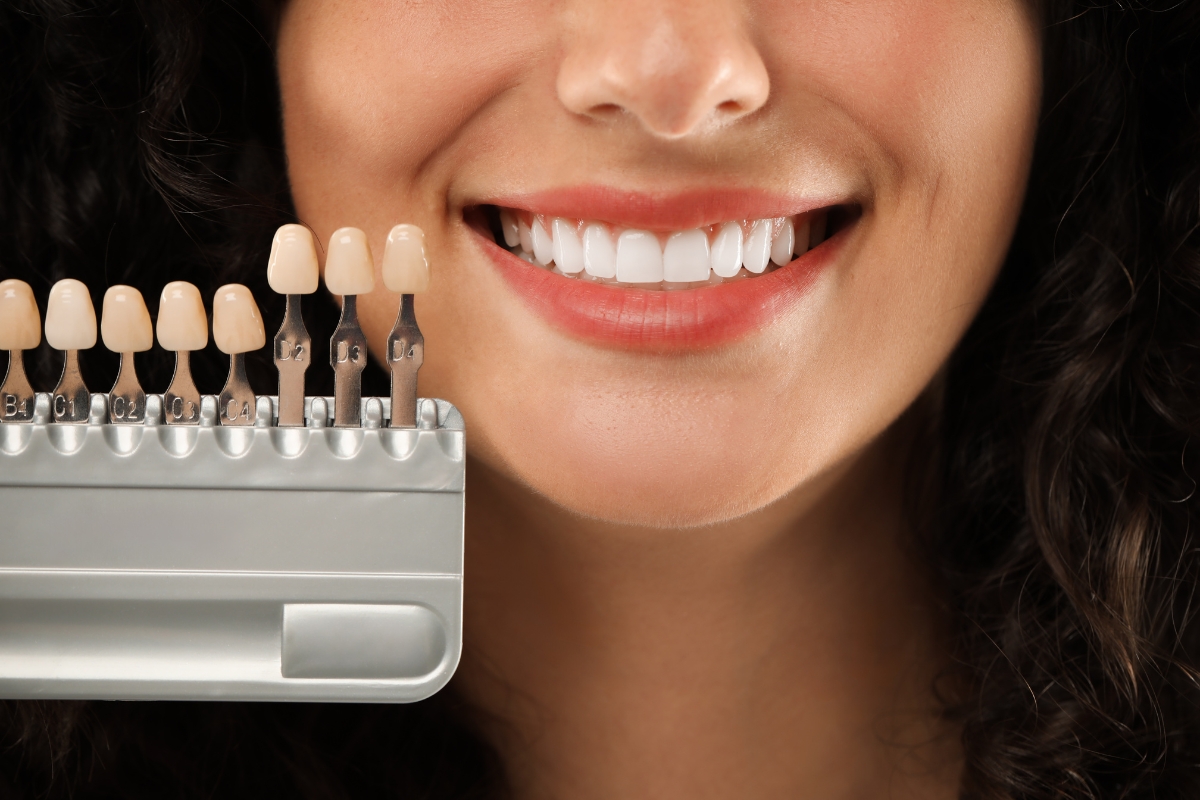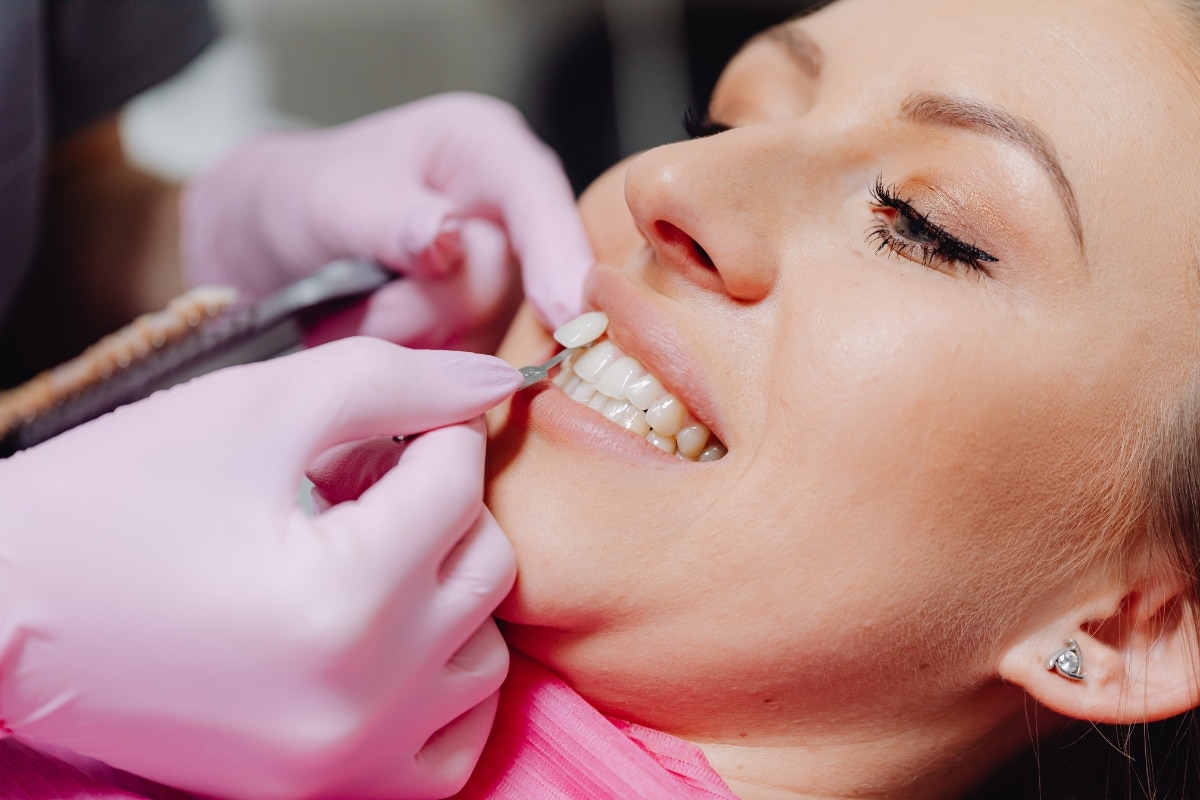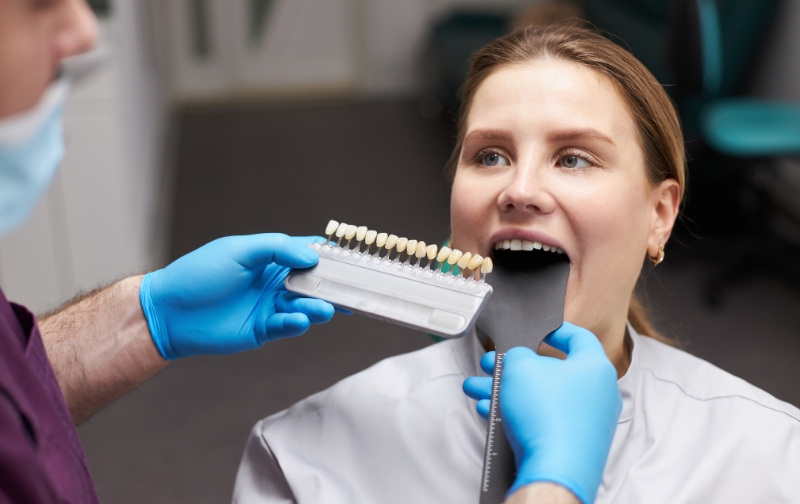


Your smile is perfect with veneers, and dental problems are a thing of the past all of a sudden. No discoloration, no chipping, just perfect teeth. But the thing is, veneers don’t make your teeth indestructible. Under those porcelain facings, your real teeth are still there, and they’re still as susceptible to decay as before. Yes, despite veneers, you can develop cavities, compromising your oral health if they are not addressed. So how does it happen, and what can you do? Let us find out.
How Do Cavities Form Under Veneers?
Veneers cover the front part of your teeth but do not encircle the entire structure. This exposes:
The back and sides of your teeth are prone to bacteria and plaque.
If food gets trapped where the veneer meets the natural tooth, decay can develop.
Plaque builds up faster with poor oral hygiene, which puts patients at greater risk for cavities.
What are the Risks of Cavities with Veneers?
Though veneers don’t decay, the underlying tooth structure does. Several factors heighten the risk:
- Incorrect Bonding: If the veneers aren’t bonded properly, bacteria have an entry point and can lead to decay.
- Ignoring Oral Care: Brushing and flossing too infrequently allows plaque to build up.
- Sweets & Acidic Drinks: Regular ingestion of sweets and sodas corrodes enamel, even veneer-covered.
- Receding Gum: As gums recede, they reveal sensitive parts of your teeth.
- Missed Dental Cleanings: No professional cleanings mean tartar will form and cause decay.
Signs You Might Have a Cavity Beneath a Veneer
Cavities behind veneers are difficult to diagnose since they take place below the surface. Watch for the following signs:
- Sensitivity while eating hot or cold food
- Pain on biting or chewing
- A dark spot at the margins of the veneer
- Swollen and bleeding gums around the affected tooth
- Slight mobility of the veneer
If any of these symptoms sound familiar, don’t wait. Cavities won’t disappear and can turn into more serious dental problems.
Can a Cavity Under a Veneer Be Treated?
Yes, but it must be addressed immediately. Depending on the extent:
- Minor decay can be fixed by a small filling in the affected spot of the tooth.
- Bigger cavities can necessitate the removal of the veneer and its replacement once the decay has been treated.
- Severe damage can necessitate a crown rather than a veneer.
- Ignoring the cavity can result in infections or root canal treatment, so the sooner, the better.
How to Guard Your Teeth against Cavities with Veneers?
Getting veneers is no reason to forget your natural teeth. To prevent cavities:
- Brush twice daily with a soft fluoride toothpaste.
- Floss daily to dislodge plaque from areas that are hard to clean.
- Use antibacterial mouthwash to destroy remaining bacteria.
- Make an appointment with your prosthodontist for routine cleanings and examinations..
- Restrict sugary foods and acidic foods that soften the enamel.
- Drink lots of water to stimulate saliva production, which flushes away bacteria.
- A little extra attention will maintain both your veneers and your natural teeth in good health.
Veneers will change your smile, but they don’t make your teeth immune to decay. Decaying under veneers is a possibility, however, with good care, you’ll be able to maintain your smile for years to come. Just don’t let the false sense of security cause you to slack off—be diligent about oral hygiene and follow-up consultations with prosthodontists.