Human bodies often go through severe changes that people fail to notice. With women getting older and approaching menopause, fluctuations in hormone levels can quietly make their teeth, as well as the rest of their mouth and gums, suffer. For most women, they are seeing symptoms they had not been expecting: dryness in the mouth, gum tenderness, and even an alteration in the look of their smile. Knowledge is the key to protecting your gums, teeth, and general well-being in the long term.
Oral health during menopause is an essential aspect of your overall health care. Once you see the connection between the two, you stay one step ahead of the game, feeling secure and at ease. Let’s see how menopause affects oral health, and cosmetic dentistry can restore beauty and function.
The True Effect of Menopause on Oral Health
Menopause hormonal changes can cause a range of dental symptoms. Estrogen levels fall, affecting tissues throughout the body, including in the mouth.
The following is what usually happens:
- Dry Mouth: Reduced saliva prevents flushing away of food and bacteria, causing halitosis, cavities, and infections.
- Risk of Gum Disease: Reduced estrogen can lead to gum tissue thinning, more prone to swelling, recession, and bleeding.
- Bone Loss: Reduced bone strength impacts the jawbone, contributing to tooth wobbling or even tooth loss.
- Changes in Taste: A bitter, metallic taste or a general blunting of taste is reported by some women.
- Increased Sensitivity: Teeth become more sensitive to hot, cold, or sweet foods.
Why Does Oral Health Matter During Menopause?
The beauty of dentistry is not merely appearance. It plays a vital role in repairing dental health, comfort, and confidence during transition periods like menopause.
A cosmetic dentist in Chicago can carry out dental procedures that can:
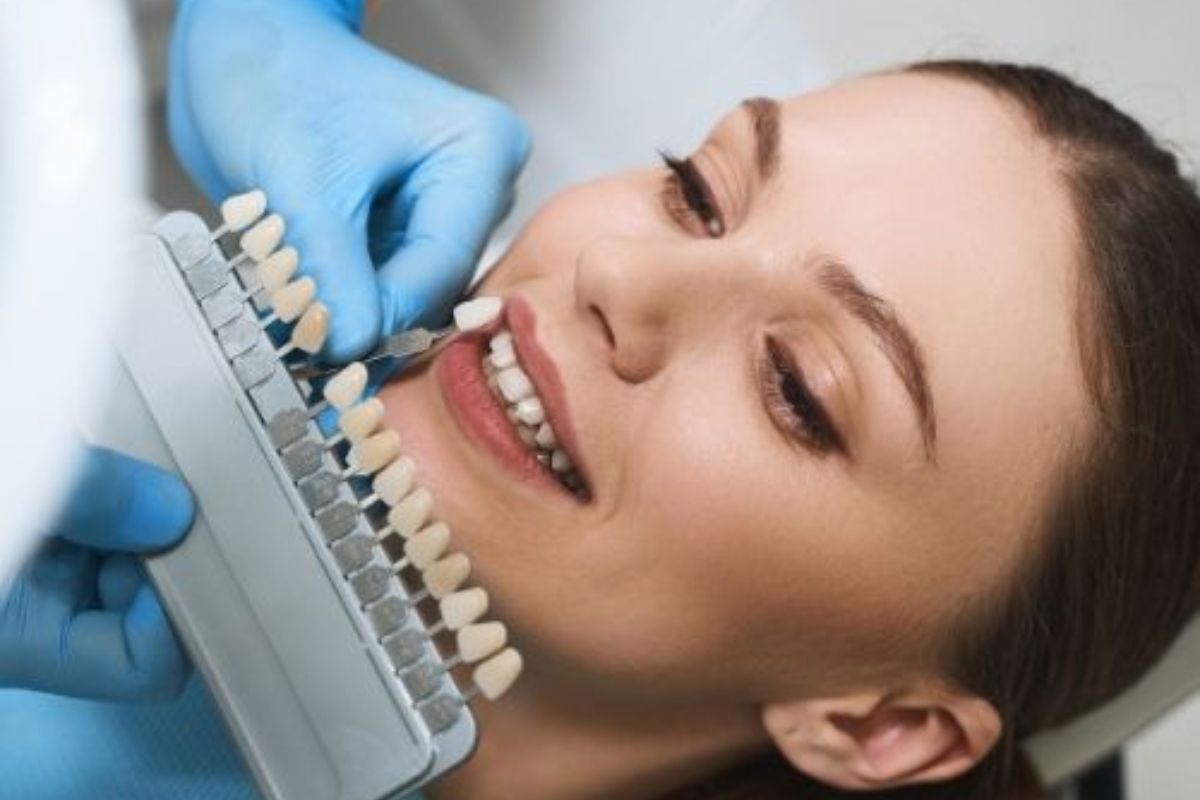
- Repair Wear and Tear: Restorations like crowns, veneers, and bonding fix worn or chipped teeth, restoring form and function.
- Correct Gum Recession: Gum reshaping procedures can redefine the gum line to produce a healthier, more youthful smile.
- Replace Lost Teeth: Dental implants, bridges, and dentures replace chewing power, force, and facial structure.
- Brighten Discolored Teeth: Professional whitening treatments by a dentist safely restore aging or dry mouth-caused discolorations.
How to Support Oral Health During Menopause?
Caring for your smile at this phase of life is not difficult, but it necessitates you to follow a routine.
These are some of the main steps to ensure your mouth’s health:
- Brush twice a day with fluoride toothpaste.
- Floss once daily to keep your teeth clean.
- Keep yourself hydrated to avoid dry mouth.
- Follow a balanced diet that contains plenty of calcium and vitamin D, like dairy items, leafy greens, and fatty fish.
- Get regular dental visits every six months—or sooner if issues are faced.
Having good oral health throughout menopause requires regular home oral care and monitoring for new symptoms that occur. Oral care during menopause is worth it for more than just oral comfort. It means a lifetime of healthy, confident smiles.
Menopause may bring about changes, but it need not steal your smile. By being aware of the changes in oral health and using cosmetic dentistry when needed, you can continue to feel strong, beautiful, and in control.
Want to protect your smile as you head toward the inevitable? Book your appointment today with our licensed Chicago cosmetic dentist who can guide you on how to take care of your oral health at every stage of life.