
When thinking about dental implants, many patients are concerned about bone loss, especially if their jaw has weakened or shrunk due to aging, injury, or periodontal disease. If this sounds like you, you might be wondering whether dental implants are still a viable option. In this blog, we’ll discuss the possibilities, offer insight into how dental implants can work with bone loss, and outline the steps involved to ensure a successful outcome.
Bone Loss and Its Impact on Dental Implants
Bone loss in the jaw is a common condition, often caused by tooth extraction, gum disease, or the natural aging process. Over time, the bone that once supported your teeth can shrink, making it difficult to place dental implants successfully. But don’t worry—this doesn’t mean that you cannot go for the treatment.
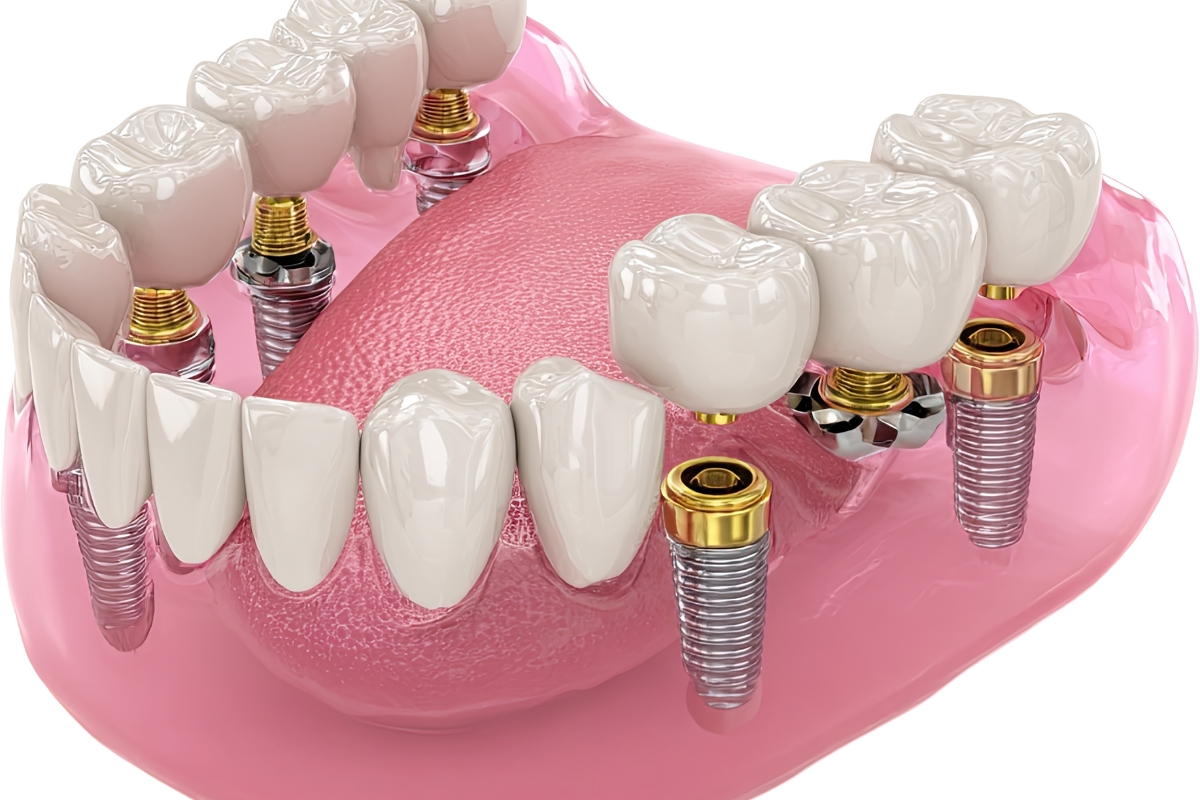
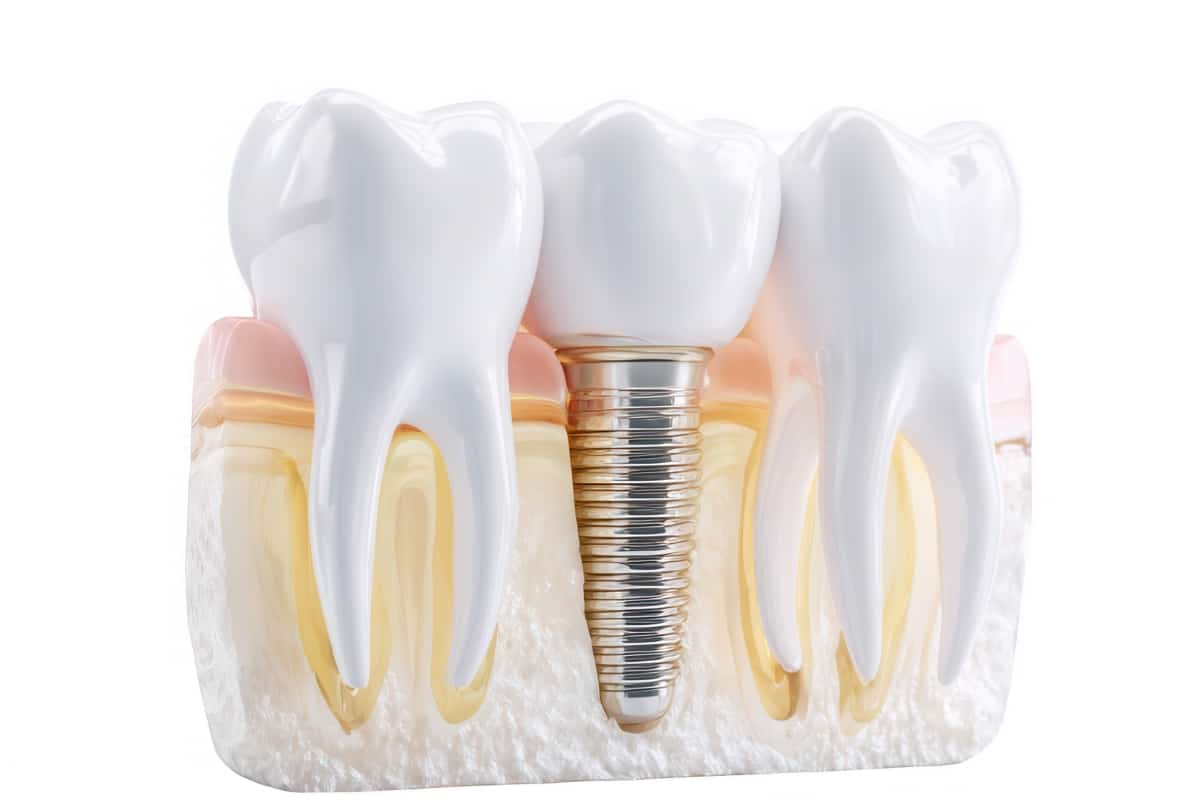
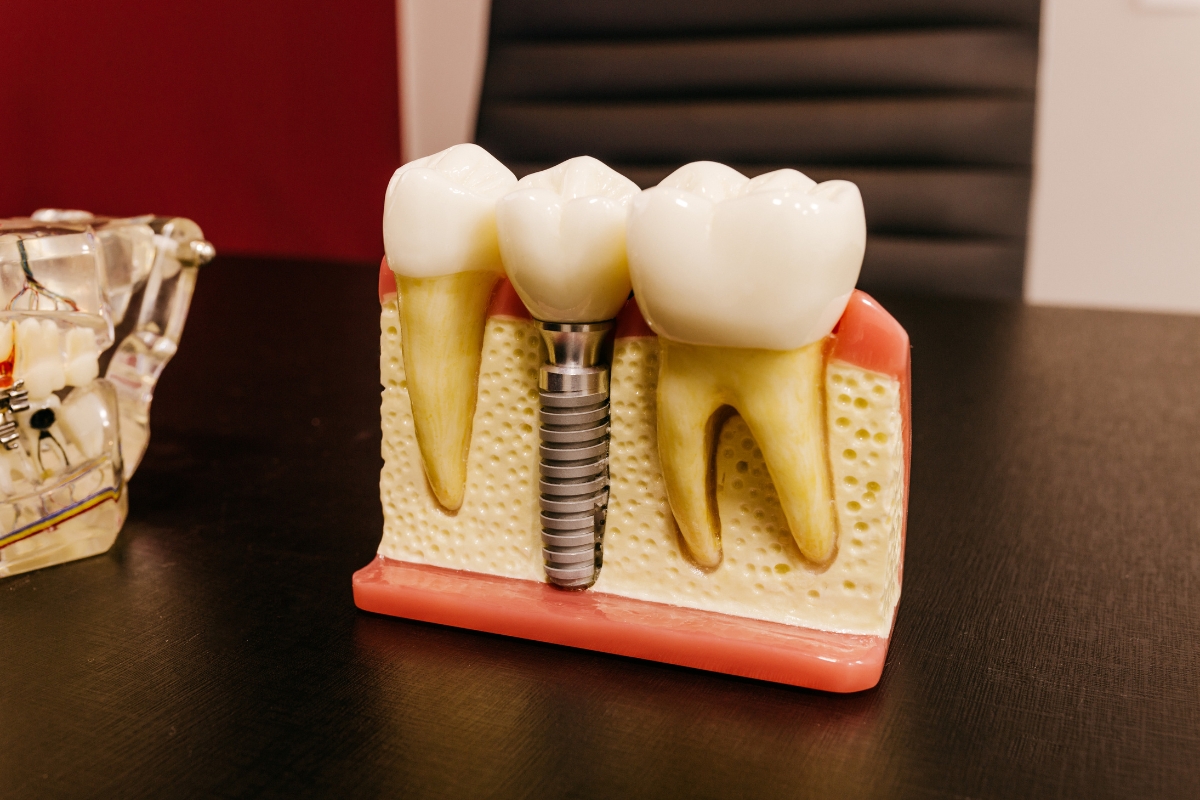
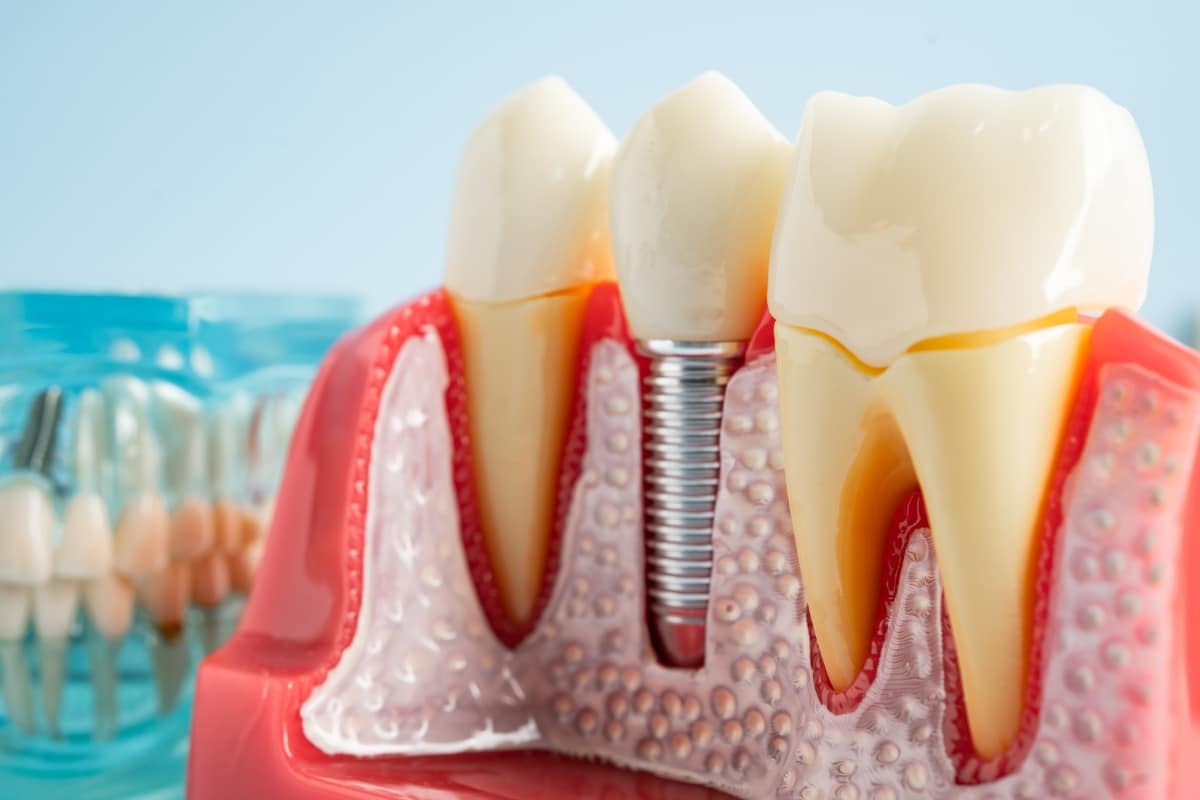
Dental implants rely on healthy, dense bone for support, so when bone loss occurs, it can impact the ability to place the implant securely. However, this challenge can be overcome with modern dental techniques. Dental implants in Chicago can still be performed with the right treatment plan in place, which may include bone grafting or advanced implant systems.
1. Bone Grafting Can Help
For patients with significant bone loss, a bone-grafting procedure may be required. This involves taking bone material from another area of your body (or a synthetic substitute) and grafting it to the jawbone. Over time, this material fuses with the existing bone, creating a more substantial base for the implant.
- Bone grafting is often performed before the implant procedure.
- It increases the chances of success by strengthening the jawbone.
2. Sinus Lift for Upper Jaw Bone Loss
If you’ve experienced bone loss in the upper jaw, particularly in the back of the mouth, a sinus lift might be necessary. This procedure involves lifting the sinus membrane and adding bone grafting material to the area. The result? A stronger, thicker bone structure to support dental implants.
3. Mini Implants Are a Possibility
For some patients with minimal bone loss, mini dental implants may be an option. These are smaller than traditional implants, and they can be placed in areas where there isn’t enough bone to support regular implants. Mini implants are often used for patients who need a more straightforward solution.
4. The Implant System Makes a Difference
Some advanced dental implant systems are designed to work even in cases of bone loss. These systems often use tapered implants or other specialized designs that provide better anchorage in the jaw, even in compromised bone. A skilled prosthodontist can determine which system is best for your specific needs.
5. Regular Monitoring and Maintenance
Once the implant is placed, regular visits to your prosthodontist are essential. It’s crucial to monitor the healing process and ensure that the implant remains stable. Good oral hygiene and maintenance are key to keeping your dental implants in Chicago and the surrounding bone healthy for years to come.
6. The Role of Your Prosthodontist
When dealing with bone loss and dental implants, working with an experienced prosthodontist is essential. Prosthodontists specialize in restoring and replacing teeth, especially in complex cases like bone loss. They’ll create a personalized treatment plan and guide you through each step to ensure the best possible outcome.
Conclusion: Achieve a Restored Smile with Dental Implants
Dental implants in Chicago are a viable solution for those with bone loss, thanks to advanced techniques such as bone grafting, mini-implants, and specialized implant systems. If you’re concerned about your jawbone, the first step is to consult a skilled prosthodontist to assess your condition and discuss your options.
At Lux Smiles, we understand how vital your smile is, and we’re dedicated to helping you achieve a functional and beautiful result, even with bone loss.
Ready to learn more or schedule a consultation? Contact us today to take the first step toward restoring your smile.
FAQs
Can I get dental implants if I’ve had bone loss?
Yes, dental implants can still be an option for individuals with bone loss. Bone grafting or mini implants can be used to create a stable foundation for your dental implant.
How long does it take to recover from a bone grafting procedure?
Recovery time for bone grafting typically takes 3-6 months. The grafted bone needs time to fuse with the existing bone before the implant can be placed.
Are mini implants a good solution for bone loss?
Mini implants are a practical option for patients with mild bone loss, offering a less invasive alternative to traditional implants.
What happens if I don’t have enough bone for implants?
If you don’t have sufficient bone, a bone grafting procedure may be necessary to build up the jawbone. This ensures a stable foundation for the implants.
How successful are dental implants in patients with bone loss?
The success rate of dental implants in patients with bone loss is high, especially when advanced techniques such as bone grafting or specialized implants are used.
How much does it cost to get dental implants if you have bone loss?
The cost varies depending on the severity of bone loss and the treatments required, such as bone grafting or mini implants. It’s best to consult with a prosthodontist for an accurate estimate.
How can I maintain my dental implants after treatment?
Regular check-ups with your prosthodontist, proper oral hygiene, and following aftercare instructions are essential for the longevity of your dental implants.