
Losing a single tooth might seem like a minor inconvenience, but it can lead to more significant dental issues if left untreated. One of the biggest concerns with tooth loss is the impact on your jawbone. Your jawbone needs stimulation to maintain its density and structure, which typically comes from the roots of your teeth.
When a tooth is lost, the jawbone may start to deteriorate. This is where single tooth implants can make a difference. Not only do they restore the appearance of your smile, but they also help preserve the health and integrity of your jawbone. In this blog, we’ll explore how single tooth implants work and why they are essential for long-term oral health.
What Are Single Tooth Implants?
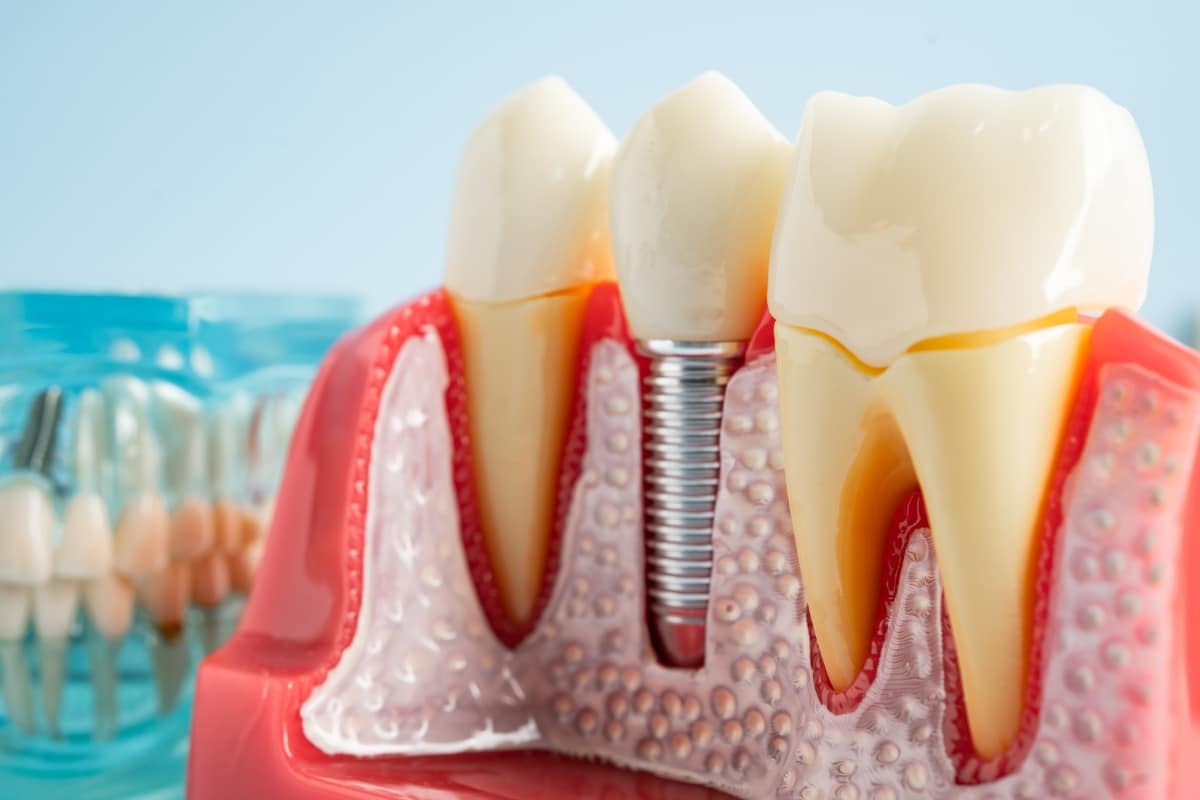
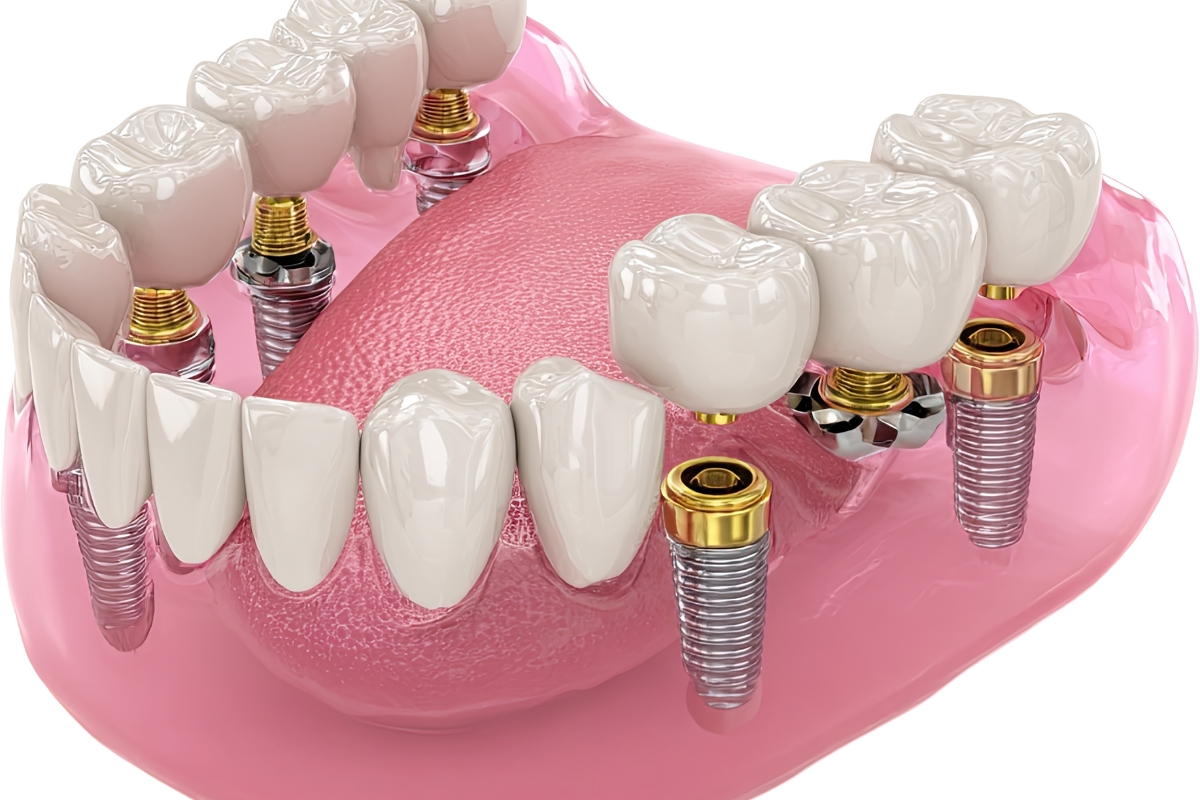
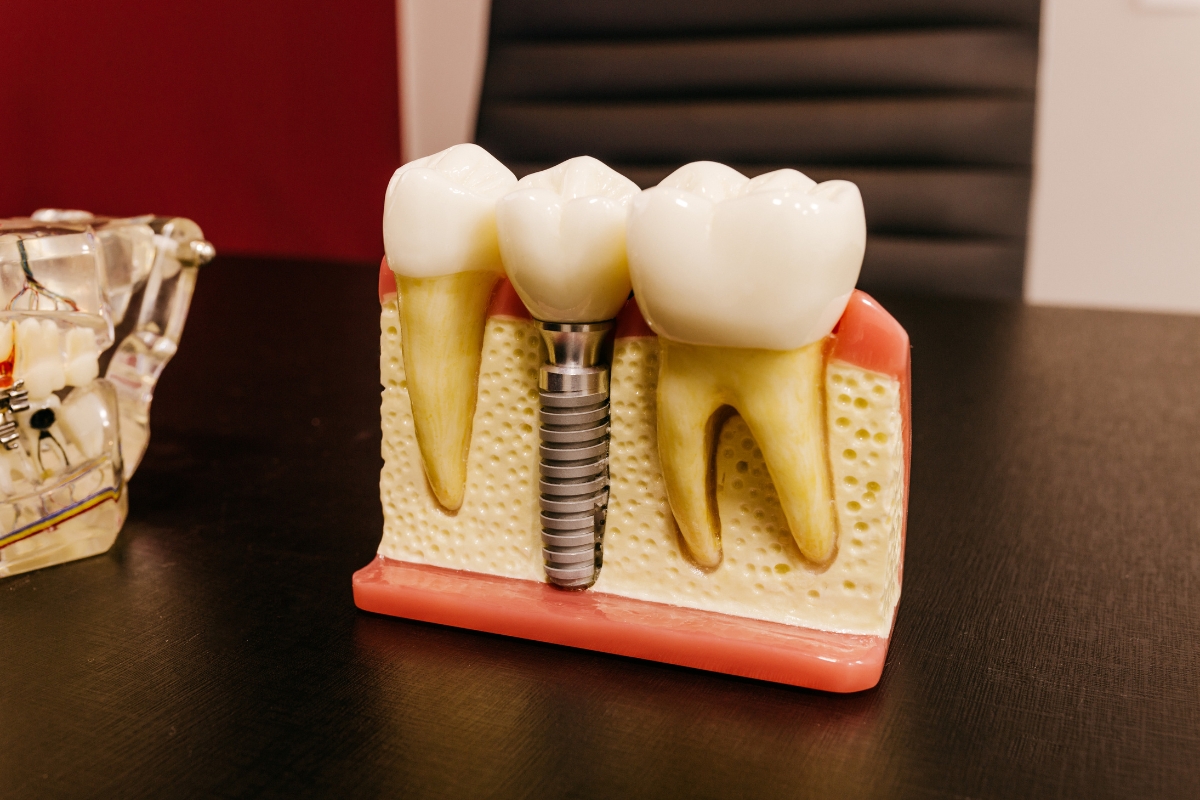
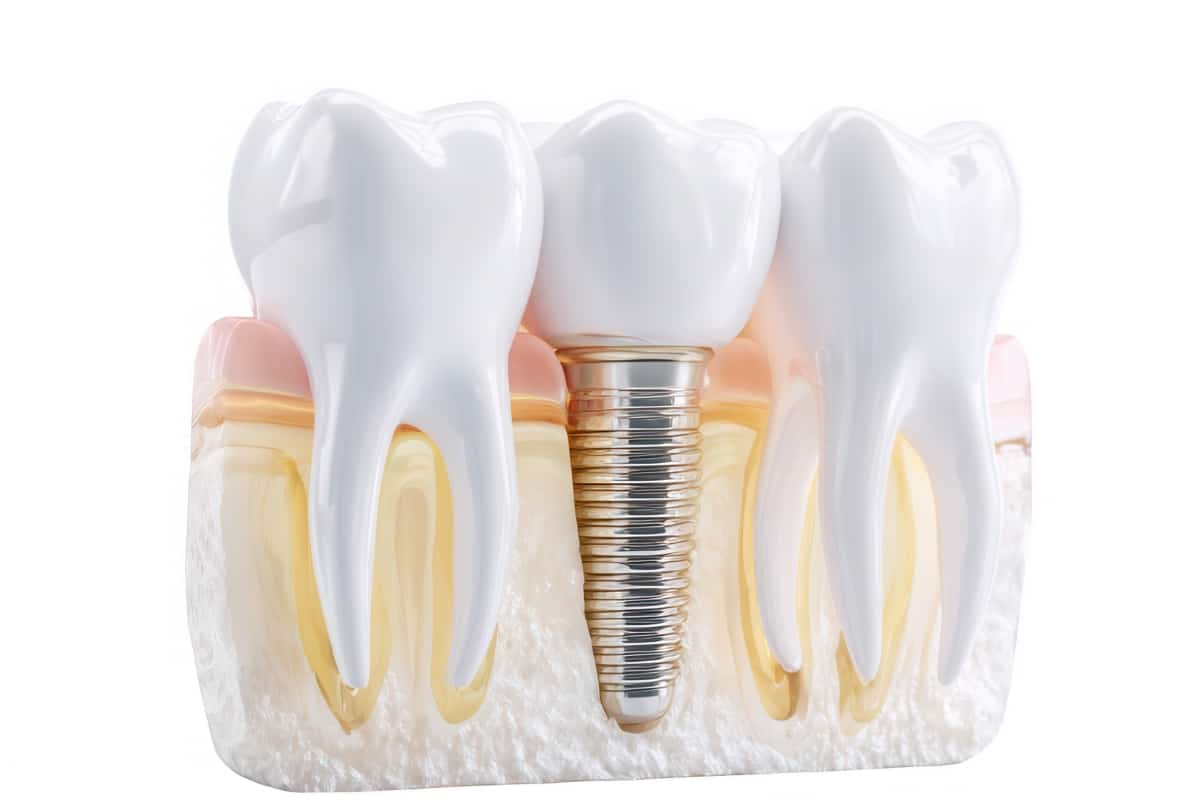
Single tooth implants are a permanent solution for replacing a missing tooth. The procedure involves placing a small titanium post into the jawbone, which acts as the root of the missing tooth. Over time, the bone integrates with the implant in a process called osseointegration, creating a solid foundation for the replacement tooth. This integration is what makes implants so effective at preserving your jawbone.
Unlike traditional bridges or dentures, which rest on the gums, a dental implant mimics the natural tooth structure, including the root, which is vital for maintaining bone density.
How Single Tooth Implants Preserve Your Jawbone
When you lose a tooth, the root no longer stimulates the bone beneath it. Without this stimulation, the bone can begin to resorb or shrink, a condition known as bone atrophy. Over time, this can lead to facial sagging, misalignment of remaining teeth, and difficulty in placing future implants or dentures.
Single-tooth implants provide the stimulation the bone needs, preventing bone loss. The titanium post used in the implant fuses with the bone, helping maintain the jaw’s strength and density. This not only preserves your bone but also keeps the natural shape of your face.
Benefits of Single Tooth Implants:
- Prevents Bone Loss: Implants help maintain bone structure and prevent resorption, a common consequence of tooth loss.
- Restores Functionality: Implants act just like natural teeth, allowing you to chew and speak confidently.
- Preserves Facial Aesthetics: By preventing bone loss, implants help retain your facial structure and avoid sagging.
- Long-Term Health: Implants help ensure your remaining teeth stay aligned, reducing the risk of future dental issues.
The Process of Getting a Single Tooth Implant
- Consultation: Your prosthodontist will evaluate your overall oral health, including jawbone density, and determine if you’re a good candidate for an implant.
- Placement of the Implant: The titanium post is surgically inserted into the jawbone.
- Healing: After placement, the bone integrates with the implant, a process that takes 3 to 6 months.
- Restoration: Once healed, a custom crown is placed on the implant, restoring the function and appearance of your natural tooth.
Throughout this process, your prosthodontist will ensure your jawbone remains healthy and strong, providing you with a permanent solution for your missing tooth.
If you’re considering a single tooth implant in Chicago to preserve your jawbone and restore your smile, our team at Lux Smiles is here to help. Our prosthodontist can guide you through the entire process, ensuring that you receive the highest level of care. Contact us today to schedule your consultation and learn more about how implants can benefit your long-term oral health.
FAQs
- How do implants help with bone loss?
Implants act as a replacement for the root of a missing tooth. The titanium post fuses with the jawbone, stimulating it and preventing bone loss that typically occurs after tooth loss. - Are single tooth implants permanent?
Yes, single tooth implants are a permanent solution for missing teeth. With proper care, they can last a lifetime. - How long does it take for the implant to fuse with the bone?
The osseointegration process usually takes several months. The implant post will fuse with the bone during this time, providing a stable foundation for the crown. - Can I still get an implant if I have bone loss?
In some cases, bone grafting procedures can be performed to restore bone density before implant placement. Your prosthodontist will assess your situation and recommend the best course of action. - How do I care for my single tooth implant?
Maintaining good oral hygiene by brushing and flossing regularly, along with routine visits to your prosthodontist, will help keep your implant in good condition. Avoid hard foods and habits, such as grinding your teeth.