

Gum disease can lead to several dental complications, and if you’re considering dentures, you may wonder whether having a history of gum disease disqualifies you. The good news is that, yes, you can still get dentures if you’ve had gum disease. However, there are a few essential steps to consider before moving forward with your treatment plan. Understanding how gum disease affects your oral health and what to expect during your denture procedure can help you make informed decisions.
Let’s explore the process, from diagnosis to the final fitting, so that you can feel confident in your smile.
Understanding Gum Disease and Its Impact on Your Oral Health
Gum disease, or periodontal disease, occurs when bacteria in your mouth cause inflammation and infection in your gums. Left untreated, it can lead to tooth loss and other serious dental issues. The early stage of gum disease is gingivitis, which is often reversible with good oral hygiene. However, if left untreated, it can progress to periodontitis, which is more severe and may cause bone loss around your teeth.
How gum disease affects dentures:
- Bone Loss: Gum disease often results in bone loss, which can affect how well dentures fit. A healthy jawbone provides support for dentures, so if bone loss has occurred, you may need additional treatments to prepare your mouth for dentures.
- Gum Health: If your gums are weakened or receded due to gum disease, it may affect the stability of the dentures. It’s crucial to address any gum-related issues before proceeding with dentures.
Preparing for Dentures After Gum Disease
If you’ve had gum disease, getting dentures is still possible, but it requires a little more preparation. Here’s what you can expect during the process:
1. Thorough Evaluation by a Prosthodontist
Before recommending dentures, your prosthodontist will perform a thorough examination to assess your oral health. This includes:
- X-rays to check for bone loss and evaluate the condition of your jaw.
- Gum evaluation to determine if your gums are healthy enough for denture placement.
2. Treating Gum Disease First
If you still have gum disease, it’s essential to address it before moving forward with dentures. Treatment may involve:
- Deep cleaning (scaling and root planing): This procedure removes plaque and tartar from below the gumline, helping to reduce inflammation and prevent further infection.
- Possible bone grafts: If significant bone loss has occurred, your prosthodontist may recommend bone grafts to rebuild the jawbone before placing your dentures.
3. Allowing Time for Healing
After treating gum disease and ensuring your gums are healthy, your mouth will need time to heal before the denture fitting. This healing period can vary depending on the severity of gum disease and the treatments used. During this time, your prosthodontist may provide temporary solutions to help with function and appearance while you wait for your permanent dentures.
What Are Your Options for Dentures After Gum Disease?
Once your gums and bone are in good condition, your prosthodontist will help you choose the best type of dentures for your needs. There are a few options to consider:
1. Full Dentures
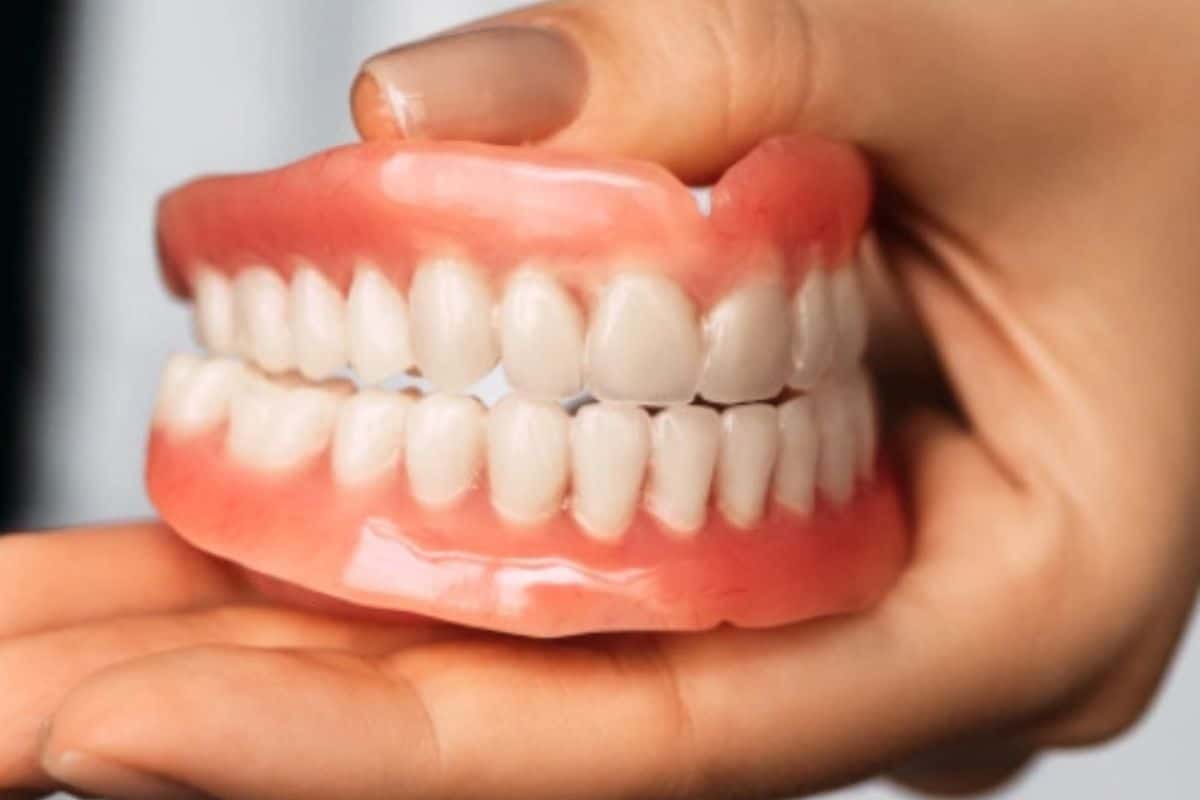
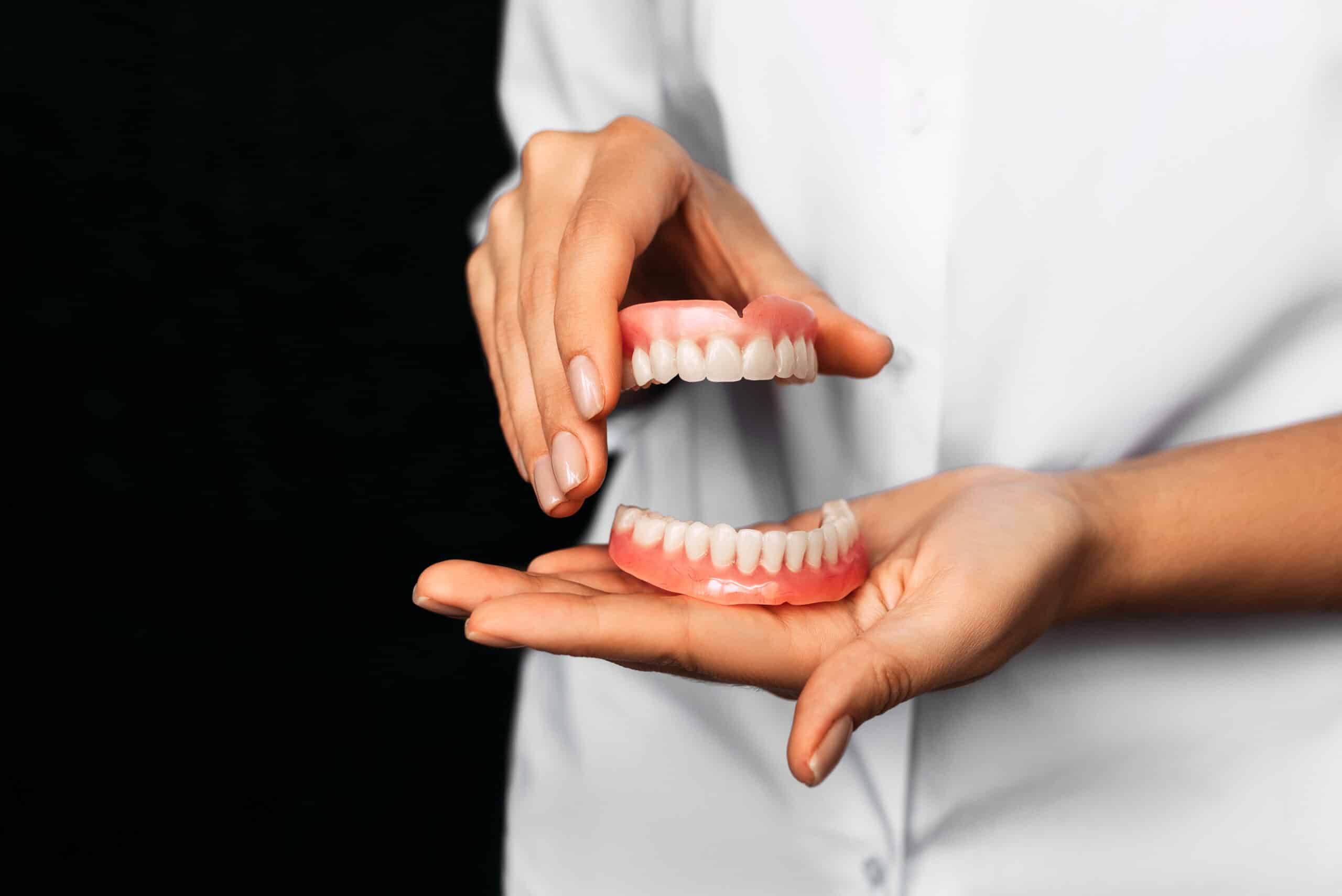
If you’ve lost all your teeth due to gum disease, full dentures may be the right choice. These dentures are designed to fit over your gums and are customized to look natural and feel comfortable.
2. Partial Dentures
If you still have some healthy teeth, partial dentures can fill the gaps left by missing teeth. These dentures are designed to work alongside your remaining natural teeth, giving you a functional and aesthetically pleasing smile.
3. Implant-Supported Dentures
For those with more severe bone loss, implant-supported dentures offer added stability. Implants are placed in the jawbone to secure dentures, providing a more permanent solution than traditional dentures.
Maintaining Your Oral Health After Getting Dentures
Once you’ve received your dentures, maintaining good oral hygiene is key to ensuring their longevity and the health of your gums. Here are a few tips:
- Clean your dentures daily: Remove food particles and plaque by brushing your dentures with a soft toothbrush. Avoid using regular toothpaste, which can be too abrasive.
- Keep your gums healthy: Continue practicing good oral hygiene by brushing your gums and tongue regularly.
- Regular check-ups: Visit your prosthodontist regularly to ensure your dentures fit correctly and to maintain your oral health.
The Outcome
The short answer is yes—gum disease doesn’t necessarily prevent you from getting dentures. However, it may require additional treatments and careful planning to ensure that your dentures fit well and function properly. With the right care and guidance from our prosthodontist, Dr. Prompton, you can achieve a smile that feels natural and provides the function you need.
FAQs
1. Can I get dentures immediately after gum disease treatment?
It depends on the severity of your gum disease and how well your gums heal after treatment. Your prosthodontist will determine the appropriate timing for your denture placement.
2. Will my dentures fit if I have had severe bone loss?
Bone loss can affect the fit of your dentures, but your prosthodontist may recommend bone grafting or implant-supported dentures for better stability.
3. Can I get partial dentures if I have gum disease?
Yes, partial dentures are a viable option if you still have healthy teeth remaining. Your prosthodontist will evaluate your gum health to determine if partial dentures are right for you.
4. Are implant-supported dentures an option for people with gum disease?
Yes, implant-supported dentures can be a good option for people with gum disease, especially if bone loss has occurred. Your prosthodontist will assess your jawbone to determine if implants are a viable option.