

Are you missing a tooth and wondering if dental implants are the right solution? If so, you’re not alone. Many people face tooth loss and are unsure of their options. Implants are a highly effective and permanent solution to replace missing teeth, offering numerous benefits.
In this blog, we’ll walk you through who makes the best candidate for these artificial tooth roots and how they can improve your life. At Lux Smiles, we specialize in providing personalized care to help you restore your smile with dental implants, so you can enjoy long-term oral health and confidence.
What Are Dental Implants?
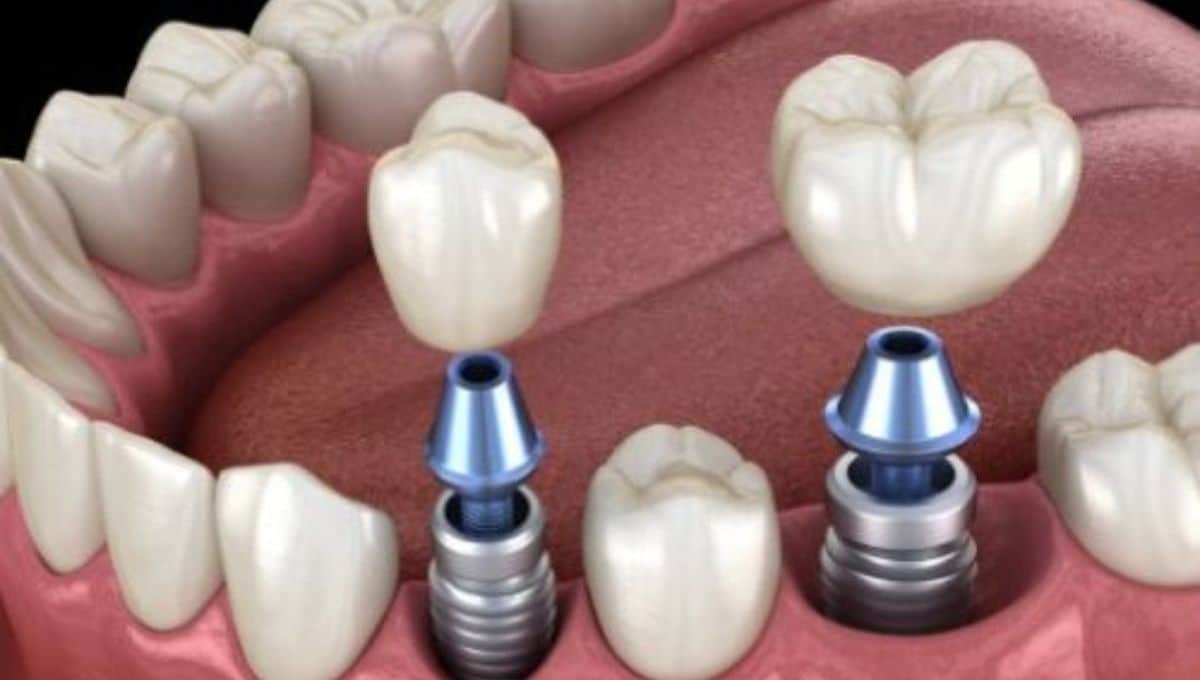
Implants are artificial tooth roots that are surgically placed into the jawbone. These implants provide a solid foundation for permanent or removable replacement teeth. The key components of a dental implant include:
- Titanium Post: The implant itself, made of titanium, is embedded into the jawbone, where it fuses over time through a process called osseointegration.
- Abutment: This connects the titanium post to the crown or artificial tooth.
- Crown: A natural-looking prosthetic tooth that sits on top of the abutment, completing the implant structure.
These artificial tooth roots function just like natural teeth, offering a strong and reliable solution for missing teeth. They restore full functionality, allowing you to chew, speak, and smile with confidence, just like you would with your original teeth.
Signs You May Be a Good Candidate for Dental Implants
If you’re considering implants to replace missing teeth, it’s important to determine whether you’re a good candidate for this restorative procedure. While dental implants are a great solution for many people, there are several factors to consider before moving forward. Below are key signs that indicate you may be a suitable candidate for these prosthetic teeth.
Missing One or More Teeth
One of the primary reasons to consider implants is when you are missing one or more teeth. A dental implant in Chicago is designed to fill in the gaps left by lost teeth, restoring both function and appearance.
Unlike bridges or dentures, which rely on adjacent teeth for support, dental implants stand alone. This means they don’t compromise the health of nearby teeth and provide a long-term solution that’s stable and reliable.
Whether you’ve lost a tooth due to injury, decay, or age, these artificial tooth roots are an excellent option to regain your smile and improve your quality of life. Implants are customized to match the size, shape, and color of your natural teeth, offering a seamless and natural look. Plus, because they are anchored into the jawbone, they offer a level of stability and comfort that other tooth replacement options can’t provide.
Healthy Jawbone
For dental implants to work, they need a healthy and dense jawbone to support them. The titanium implant post is surgically placed into the jawbone, where it fuses with the bone over time in a process known as osseointegration. This process provides a strong and lasting foundation for your new tooth.
If you’ve had missing teeth for an extended period, you may have experienced bone loss in the area where the tooth was lost. Bone loss can complicate the implant process, as there may not be enough bone to securely hold the implant. However, this can often be addressed with a bone grafting procedure, which can help restore lost bone and provide a solid base for the implant.
A healthy jawbone is essential for the success of implants. If you’re concerned about bone density, your prosthodontist can assess your bone health and recommend solutions to ensure a successful implant procedure.
Good Oral Health
Candidates for these artificial tooth roots must have healthy gums and teeth. Gum disease, cavities, and other oral health issues can prevent the implant from bonding properly to the jawbone. If you have periodontal disease or other oral health issues, it’s essential to address them before proceeding with the implant procedure.
Good oral health also plays a key role in the long-term success of dental implants. Without healthy gums, the implant may not integrate effectively with the bone, and the risk of infection could increase. Your prosthodontist may recommend a deep cleaning or periodontal treatment to ensure your gums are healthy and ready for implant placement.
Maintaining a solid oral care routine, including regular brushing, flossing, and routine checkups, is essential for implant candidates. The better the condition of your gums and teeth, the higher the chances of a successful implant procedure.
Non-Smokers
While smoking may not disqualify you from getting these prosthetic teeth, it can increase the risks involved in the procedure and interfere with healing. Smoking reduces blood flow to the gums, which can delay the healing process after surgery. Additionally, smoking increases the risk of infection, which could lead to implant failure.
For the best results, it is recommended that individuals who are considering dental implants quit smoking or at least refrain from smoking during the healing period. Quitting smoking not only improves your chances of a successful implant procedure but also benefits your overall oral health.
If you’re a smoker, your prosthodontist can discuss strategies to help you quit and improve the success of your implant treatment.
Commitment to Oral Hygiene
Dental implants require the same level of care as your natural teeth. If you’re someone who is committed to maintaining good oral hygiene, you’re more likely to be a good candidate for implants. After the procedure, it’s important to brush and floss regularly, just as you would with natural teeth, to prevent infection and keep the area around the implant clean.
Regular dental visits are also crucial for implant success. Your prosthodontist will monitor the condition of your implants during routine checkups to ensure they are functioning well and that your gums and surrounding teeth remain healthy.
If you’re committed to maintaining your oral hygiene and visiting your prosthodontist for regular checkups, these artificial tooth roots can be a great long-term solution for missing teeth.
Conditions That May Disqualify You from Getting Dental Implants
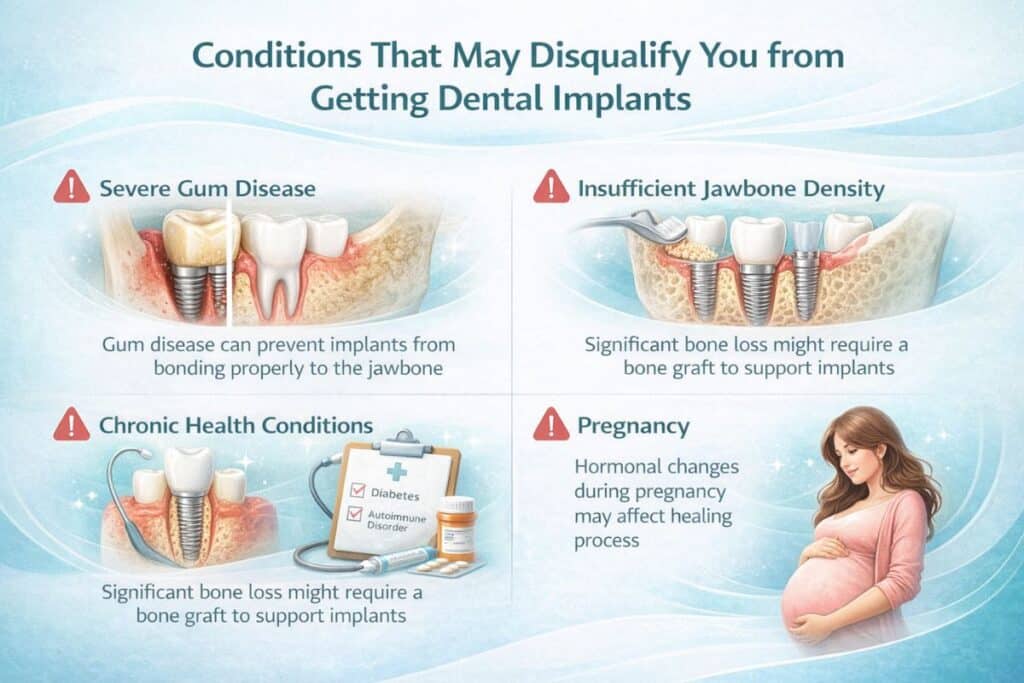
While implants are a great solution for many, there are certain conditions that may disqualify you from getting them.
Severe Gum Disease
Gum disease can prevent implants from bonding properly to the jawbone. If you have advanced gum disease, it’s essential to treat it first before considering implants. Your prosthodontist will evaluate your gums and help restore them to health.
Insufficient Jawbone Density
For implants to work, you need sufficient jawbone density. If you’ve had significant bone loss, you might not be a candidate for implants unless you undergo a bone graft procedure. Bone grafting can rebuild the jawbone to provide the proper foundation for implants.
Chronic Health Conditions
Certain health conditions, such as uncontrolled diabetes or autoimmune disorders, can affect the healing process and increase the risk of infection. While these conditions don’t automatically disqualify you, it’s essential to manage your health and work with your prosthodontist to ensure a safe and successful procedure.
Pregnancy
Dental implants are typically not recommended during pregnancy, as hormonal changes can affect the healing process. It’s best to wait until after pregnancy to undergo this procedure.
Benefits of Dental Implants
Implants offer numerous benefits that make them an excellent choice for those seeking to restore their smile and functionality:
Improved Functionality
Dental implants function just like natural teeth. You can eat, speak, and smile with confidence, knowing that your implants will stay securely in place.
Natural Look and Feel
Implants are designed to look and feel like your natural teeth. The prosthetic tooth is customized to match the color, shape, and size of your existing teeth, ensuring a seamless and aesthetically pleasing result.
Long-Term Durability
When properly cared for, these artificial tooth roots are a long-lasting solution. They can last a lifetime, making them a more cost-effective option in the long run compared to other alternatives like dentures or bridges.
Jawbone Health
Dental implants help preserve the health of your jawbone by stimulating it as natural teeth do. This prevents bone loss and helps maintain the structure of your face, avoiding the sunken appearance that can occur with missing teeth.
Consultation with a Prosthodontist: How to Determine If You’re a Candidate
The first step in determining if a dental implant in Chicago is right for you is to schedule a consultation with a prosthodontist at Lux Smiles. During this consultation, we will evaluate your overall oral health and discuss your goals for treatment. The process typically includes:
Initial Evaluation
Your prosthodontist will conduct a thorough examination, including taking X-rays to assess the health of your jawbone and gums. This helps determine if you have enough bone density to support implants.
Customization
Based on your evaluation, we will create a customized treatment plan tailored to your needs. If you have any health concerns or conditions that need to be addressed before implant placement, we will discuss options such as bone grafting or treating gum disease.
Is It Time for Dental Implants?
If you’re tired of dealing with the inconvenience of missing teeth or unreliable dentures, implants may be the perfect solution for you. This permanent, comfortable, and natural-looking option can give you back your smile and improve your quality of life.
If you’re interested in learning more about whether these artificial tooth roots are right for you, schedule a consultation with our team at Lux Smiles today. Let us help you restore your smile and confidence with a personalized implant treatment plan.
Dental implants can significantly improve your life by restoring your smile, boosting your confidence, and enhancing your ability to eat and speak with ease. If you think you’re a good candidate or want to explore your options, the team at Lux Smiles is here to guide you every step of the way.
Don’t wait any longer. Contact us today to schedule your consultation and take the first step toward a better smile!
What People Want to Know
How long do dental implants last?
With proper care, dental implants can last a lifetime. The crown may need replacement after 10-15 years, but the implant itself remains in place.
How long does the dental implant procedure take?
The entire process can take several months, with the initial placement taking about 1-2 hours per implant. The healing process may take 3-6 months before the final crown is placed.
How do I take care of my dental implants?
Maintain good oral hygiene by brushing and flossing daily, and visit your prosthodontist regularly for checkups. Treat your implants just like natural teeth.
Is there a recovery time after getting dental implants?
Yes, recovery time can vary, but it typically takes a few months for the implant to fully integrate with the jawbone. Most patients can resume normal activities within a few days after surgery.
Do dental implants require special care?
No, dental implants don’t require special care beyond regular brushing, flossing, and routine dental visits. Treat them like natural teeth to ensure their longevity and optimal function.