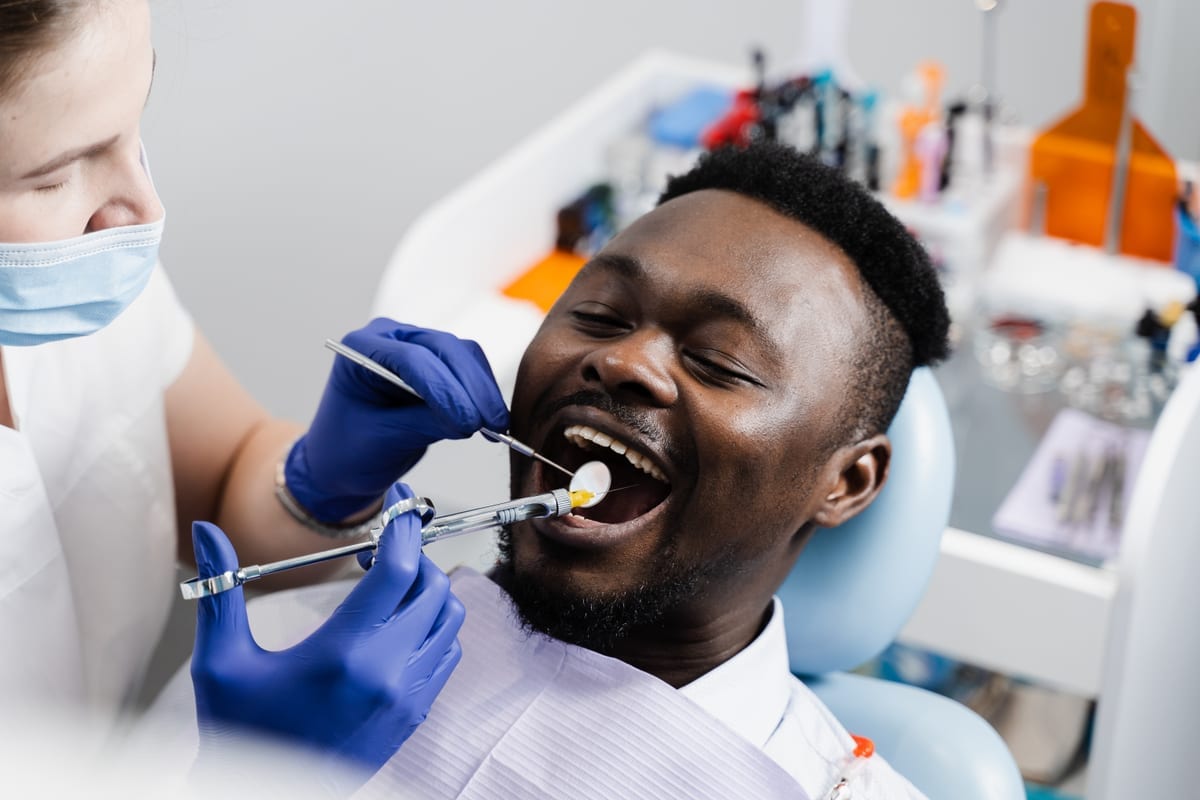

Your gum disease treatment recovery week by week in Chicago can feel overwhelming without the right guidance. Knowing what to expect makes healing much smoother. At Lux Smiles Cosmetic Dentistry and Prosthodontics, Dr. Joshua Prompton helps patients navigate every stage of periodontal recovery with confidence. This guide walks you through timelines, diet tips, pain management, and when to call our office.
Understanding Your Gum Disease Treatment Recovery Week by Week in Chicago
Periodontal treatment varies depending on severity. Scaling and root planing, gum surgery, and antibiotic therapy each carry different recovery expectations. Most patients in Chicago experience the most significant discomfort in the first three to five days. After that, healing progresses steadily with proper care.
Week one is typically the most sensitive period. You may notice swelling, tenderness, and some light bleeding around treated gum tissue. These reactions are completely normal responses to treatment. Your body is actively working to repair the affected areas.
By week two, inflammation begins to reduce noticeably. Most patients return to a fairly normal routine during this stage. Gum tissue starts firming up and reattaching where needed. Sensitivity may linger but becomes much more manageable.
Weeks three and four mark a major turning point in healing. Most discomfort fades significantly by this stage. You will likely notice your gums looking healthier and feeling stronger. Full tissue healing can take up to three months depending on treatment type.
What to Eat During Gum Disease Recovery
Your diet plays a crucial role in how quickly you heal. Choosing the right foods reduces irritation and supports tissue repair. Dr. Prompton recommends a soft-food diet during the first week of recovery. Gentle nutrition helps your gums recover without unnecessary stress.
Here are foods that support a smooth recovery:
- Mashed potatoes, soft rice, and cooked pasta
- Yogurt, smoothies, and protein shakes
- Scrambled eggs and soft-cooked fish
- Bananas, avocados, and steamed vegetables
- Lukewarm soups and broths
Avoid hard, crunchy, or spicy foods during the first two weeks. Foods like chips, raw vegetables, and acidic drinks can irritate healing tissue. Stay away from alcohol and carbonated beverages as well. These items can delay your recovery and increase discomfort.
Smoking also severely slows gum healing. If you smoke, reducing or stopping during recovery makes a real difference. Chicago patients who follow dietary guidelines consistently report faster, more comfortable recoveries. Small food choices create significant healing outcomes.
Managing Pain and Discomfort at Home in Chicago
Effective pain management starts before your anesthetic wears off. Dr. Prompton typically recommends taking over-the-counter pain relievers like ibuprofen proactively. This approach reduces inflammation before it peaks. Always follow the dosage instructions provided by our team.
Cold compresses applied to your cheeks help reduce swelling significantly. Use an ice pack wrapped in a cloth for twenty minutes on and twenty minutes off. This technique works best during the first twenty-four to forty-eight hours. Avoid applying heat during early recovery as it can increase swelling.
Here are additional at-home comfort strategies:
- Rinse gently with warm salt water after meals starting day two
- Sleep with your head slightly elevated to reduce overnight swelling
- Avoid vigorous rinsing or spitting for the first twenty-four hours
- Use a prescribed antibacterial rinse exactly as directed
- Brush gently around treated areas using a soft-bristled toothbrush
Prescribed antibiotics must be taken for the full duration. Stopping early can allow bacteria to return. If Dr. Prompton prescribed a medicated rinse, use it consistently. Compliance with these instructions directly affects how well your gums heal.
When to Call Lux Smiles: Warning Signs During Recovery
Most gum disease recovery experiences are predictable and manageable. However, some symptoms warrant a prompt call to our Chicago office. Recognizing these signs early prevents minor issues from becoming serious complications. Trust your instincts — if something feels wrong, reach out.
Contact us if you notice any of the following:
- Bleeding that does not slow after applying gentle pressure for fifteen minutes
- Severe or worsening pain after the third day of recovery
- Signs of infection including fever, pus, or a foul taste in your mouth
- Significant swelling that spreads beyond the treated area
- Stitches that come loose before your scheduled follow-up appointment
Some swelling and minor bleeding are expected during early recovery. Severe or escalating symptoms are a different matter entirely. Dr. Prompton and our team are always available to address your concerns. Reaching out early leads to better outcomes for Chicago patients.
Your Follow-Up Care and Long-Term Gum Health in Chicago
Recovery does not end when your discomfort fades. Long-term gum health requires consistent professional maintenance. Dr. Prompton typically schedules follow-up periodontal cleanings every three to four months after treatment. These appointments monitor healing and prevent disease recurrence.
Untreated bone loss from advanced gum disease can eventually affect tooth stability. In some cases, patients explore tooth replacement options like Dental Implants Chicago or Dental Bridges Chicago to restore function and appearance. Discussing these possibilities with Dr. Prompton helps you plan ahead confidently. Understanding your full treatment picture reduces long-term dental health surprises.
At home, daily flossing and brushing remain your most powerful tools. Use a soft-bristled toothbrush and fluoride toothpaste consistently. An antimicrobial mouthwash can also help keep bacteria levels in check. Your commitment between appointments directly shapes your long-term results.
Healthy gums support every aspect of your oral wellness. They protect roots, anchor teeth, and contribute to your overall confidence. Partnering with Dr. Prompton at Lux Smiles ensures you have expert support through every stage of your recovery and beyond. Chicago patients deserve attentive, personalized periodontal care at every visit.
Ready to begin your healing journey with confidence? Our team at Lux Smiles Cosmetic Dentistry and Prosthodontics is here to guide you every step of the way. Book Now to schedule your appointment with our team.
Frequently Asked Questions
How long does gum disease treatment recovery typically take in Chicago?
Most patients experience peak discomfort during the first three to five days. Significant improvement usually occurs by weeks two and three. Full tissue healing can take up to three months depending on the type and extent of treatment performed. Dr. Prompton will provide a personalized timeline during your consultation.
Is it normal for gums to bleed after periodontal treatment?
Light bleeding during the first one to two days is completely normal after scaling and root planing or gum surgery. Gently biting on gauze can help control minor bleeding. If bleeding does not slow after fifteen minutes of gentle pressure, contact our Chicago office right away. Persistent heavy bleeding is not a typical part of recovery.
What foods should I avoid during gum disease recovery?
Avoid hard, crunchy, spicy, or acidic foods for at least the first two weeks of recovery. Chips, raw vegetables, citrus fruits, and carbonated drinks can irritate sensitive gum tissue. Alcohol and tobacco products should also be avoided throughout the healing period. Sticking to a soft, gentle diet gives your gums the best environment for recovery.
When should I return to normal brushing and flossing after treatment?
Most patients can resume gentle brushing around treated areas within twenty-four to forty-eight hours using a soft-bristled toothbrush. Flossing should resume gradually, following Dr. Prompton’s specific guidance for your case. Avoid aggressive brushing or vigorous rinsing during the first week. Consistent, gentle home care is essential for successful long-term gum health.
Can gum disease come back after treatment?
Yes, gum disease can recur without proper maintenance and home care. That is why Dr. Prompton schedules regular periodontal maintenance appointments every three to four months after treatment. Daily flossing, brushing, and antimicrobial rinse use help prevent recurrence significantly. Staying consistent with follow-up care is the most effective way to protect your long-term gum health in Chicago.