You might have experienced pain of various kinds but nothing prepares you for the discomfort that jaw pain causes.
Whether you eat, talk, or laugh – your jaw plays a critical role in your routine. When routine activities become painful, life turns into a never-ending nightmare.
The most common cause of jaw pain is temporomandibular joint disorder (TMD). When the temporomandibular joint (TMJ) stops functioning at its finest, your struggle with jaw discomfort begins.
Life can’t go on with dull or sharp jaw pain. You need immediate medical intervention. But what’s the solution you might wonder. Bite therapy for TMJ!
What‘s Bite Therapy?
Bite therapy focuses on correcting bite misalignment. This misalignment is often the source of TMJ pain.
Misaligned teeth cause stress to the jaw joints, and lead to jaw pain and inflammation. Living with this pain can make life a living hell.
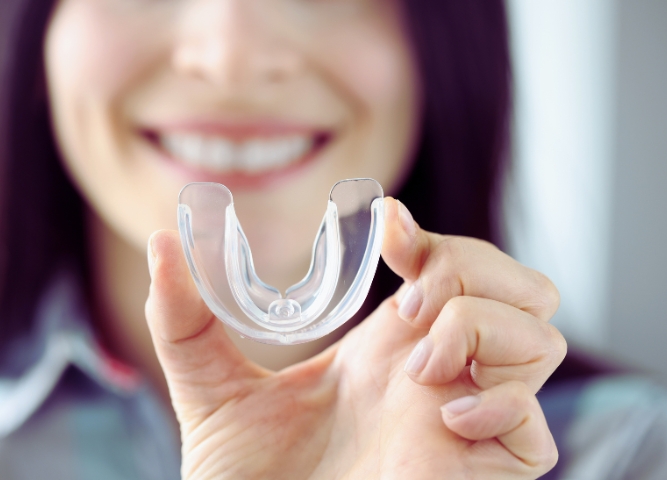
The jaw pain treatment is an amalgamation of several solutions to help you get rid of the jaw discomfort. From non-invasive oral splints to custom oral appliances like nightguards – you just need to pick the suitable one according to your medical professional’s advice. These appliances or tools align the jaw and reduce strain on the jaw muscles. With time, your jaw functions also improve.
Benefits of Bite Therapy for TMJ
Studies show over 10 million Americans experience TMJ disorders annually. Women aged 20-40 are more likely to develop TMJ issues than men. So whoever struggles with consistent jaw pain must undergo bite therapy. It offers:
- Pain Relief: Splints or nightguards ease jaw tension, relax jaw muscles, and reduce headaches.
- Improved Function: Splints let your jaw move smoothly and make chewing efficient or pain-free.
- Prevention: Around 80% of TMJ cases involve bruxism (teeth grinding). So if you suffer from this concern, protect your teeth from further wear with nightguards.
- Comfortable Solutions: Custom-fit oral appliances ensure ease during use.
Who Should Consider Bite Therapy?
Patients experiencing TMJ symptoms may benefit from bite therapy. Common signs of TMD are:
- Jaw pain or tenderness
- Clicking or popping sounds during jaw movement
- Difficulty chewing or speaking
- Facial swelling near the joints
- Headaches that won’t go away
How to Maintain Results After Bite Therapy?
While bite therapy is the first step toward healing, it’s not the be-all and end-all of your healing journey. Along with consistent use of the prescribed oral appliance, you should also take additional measures to support TMD recovery. These are:
- Avoiding hard or chewy foods
- Practicing jaw relaxation exercises
- Scheduling regular dental checkups
Jaw discomfort can be annoying, to say the least. Don’t just sit with your pain and make your life an ordeal that you’re running away from. Bite therapy can be a tool to manage TMJ pain by addressing the root cause of jaw discomfort. This therapy can treat underbite, overbite, or crossbite. With regular care and treatment, your quality of life improves and makes your life pain-free. For more information about bite therapy for TMJ, contact our dental team today.