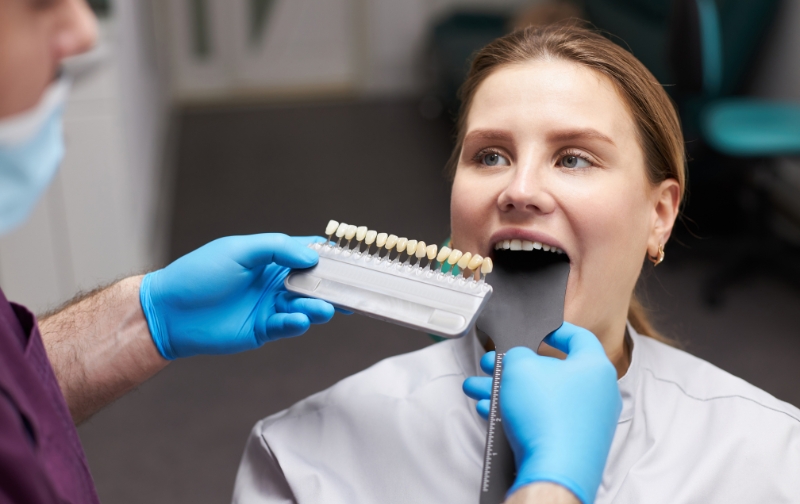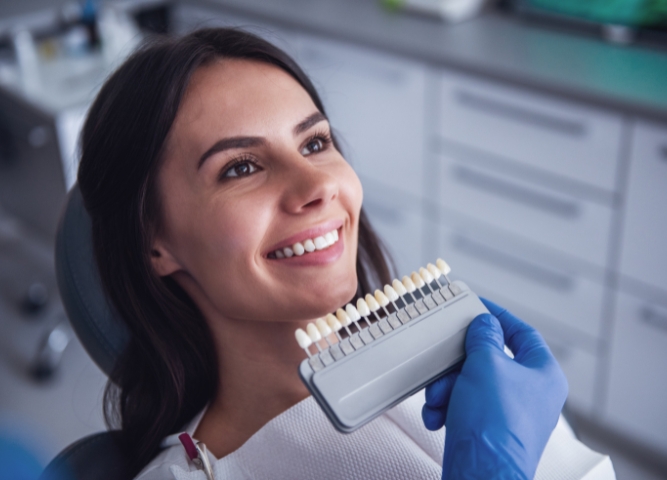

Veneers are becoming increasingly popular as a cosmetic option for many people who want to improve their smiles. They provide a quick fix for discolored, damaged, or misaligned teeth with minimal effort. Since many Chicago residents want veneers, a major concern is whether the thin porcelain coverings will harm their natural teeth. This blog will answer many questions about veneers and discuss whether or not they ruin your teeth. Also, it discusses the pros and cons of veneers.
At Lux Smiles, we know how essential it is to make informed decisions about your oral health. The purpose of this blog is to help you feel comfortable about creating your smile with veneers and to ensure your decision supports your overall oral health.
What Are Veneers and How Do They Work?
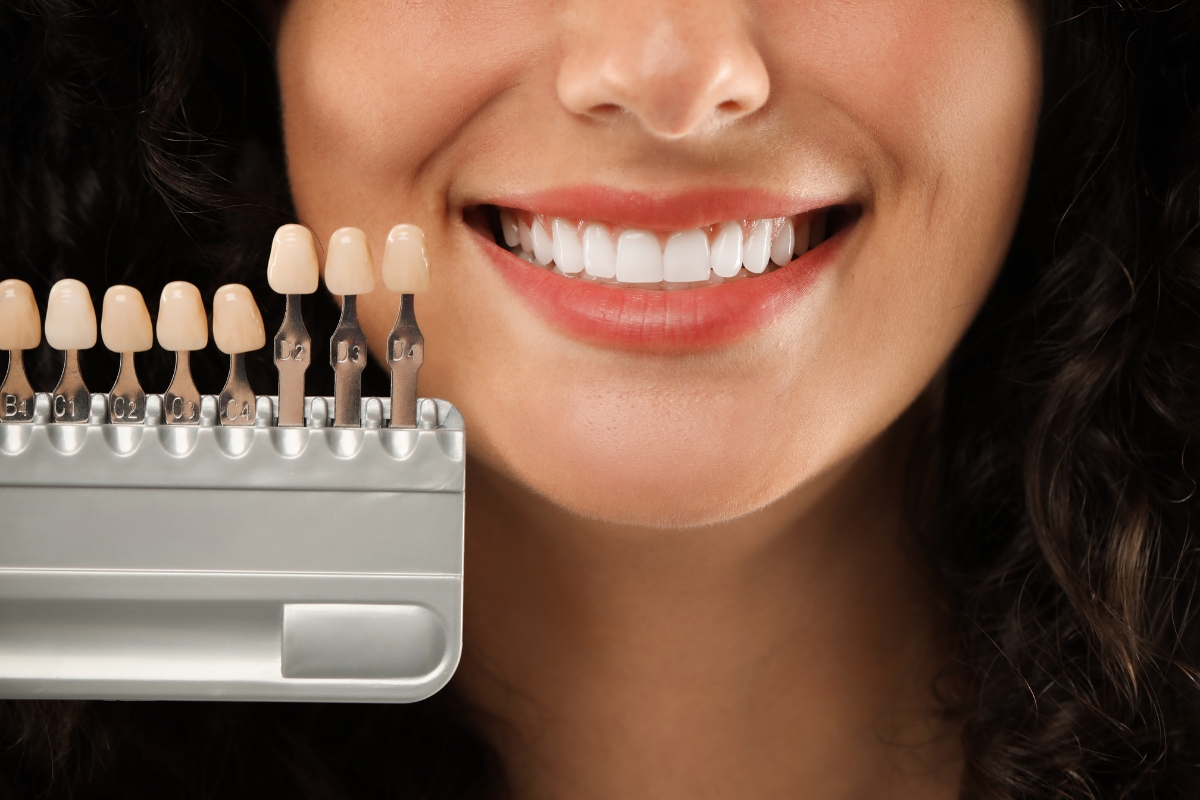
Veneers are custom-made, thin shells placed over the front surfaces of your teeth to create a new look and hide imperfections such as stains or gaps.
The process typically involves a consultation with a prosthodontist who will evaluate your dental health and discuss your goals. At this appointment, a small section of enamel will usually need to be removed from each tooth to allow the shells to be securely fastened and to provide a proper fit. Your veneers are created in a dental laboratory and permanently bonded to the front surfaces of the teeth using a special adhesive.
While there are several aesthetic benefits to having veneers in Chicago, some people are concerned about their long-term effects on the health of their natural teeth. In the next section, you’ll discover whether veneers can cause any harm to your own teeth and how long the effects may last, as well as the need to consider whether or not having veneers is the right decision for you.
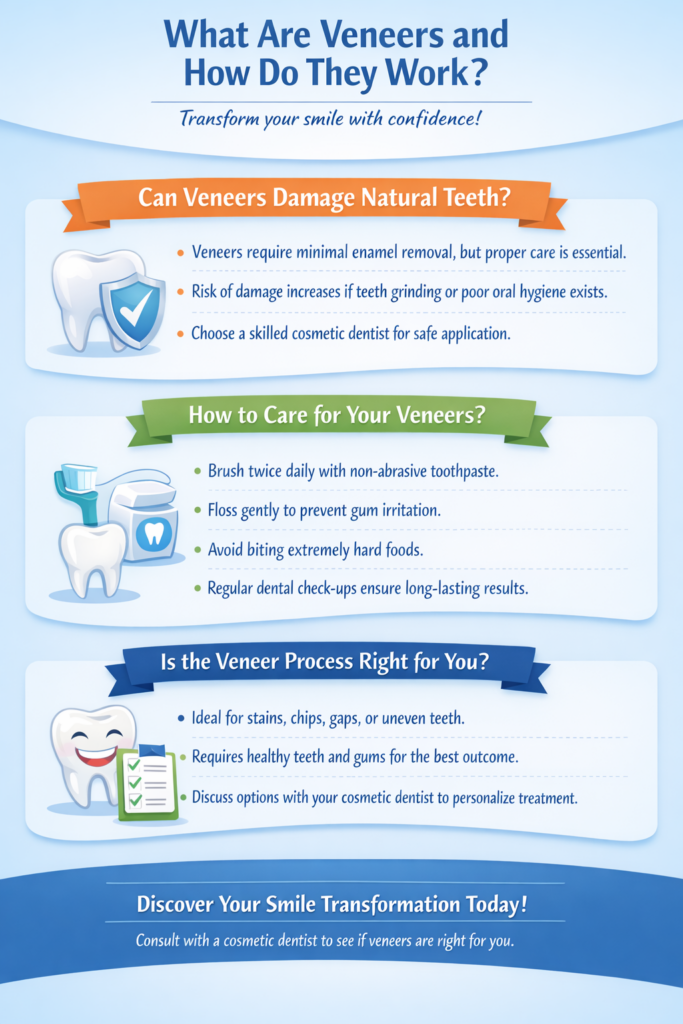
Can Veneers Damage Natural Teeth?
If you’re considering getting veneers, you probably have many questions. One of the biggest concerns people have is whether they will damage their natural teeth. Here’s what you need to know:
- Tooth enamel removal: When you get a veneer, your tooth will usually lose a small amount of enamel from its surface for the veneer to fit. While this is typically very slight, it is irreversible. That said, this is a common practice, and if you choose an experienced prosthodontist, you shouldn’t experience any damage to your teeth.
- Sensitivity: After some of your tooth enamel is removed, you may develop temporary tooth sensitivity. You may feel sensitivity to hot or cold foods or drinks for some time after the enamel removal. Most of the time, the sensitivity goes away as your tooth adjusts to the veneer, but this is something to keep in mind if you have sensitive teeth.
- Risk of decay: Veneers do not cause decay; however, if they are not properly bonded and maintained, they may move away from the tooth over time, creating space for bacteria to enter and leading to decay beneath the veneer. This is another reason to have regular checkups with your prosthodontist and maintain good oral hygiene while you have veneers.
- Longevity of veneers: The life of your veneer depends on the material used to make it and how well you care for your teeth. If you get a porcelain veneer, it will typically last 10-15 years. However, if you grind your teeth while you sleep or chew on ice, you are likely to damage your veneer or put excessive stress on your natural teeth.
So, will veneers ruin my teeth? Provided that they are properly applied and cared for, they will not ruin your teeth. However, you must follow your prosthodontist’s advice and practice proper oral hygiene.
How to Care for Your Veneers?
Maintaining the integrity of your veneers and your teeth is key to keeping them looking their best for years to come. Here are some essential care tips for your new veneers:
- Brush and Floss Regularly: Just as with natural teeth, it is necessary to take good care of your dental veneers. Brushing with non-abrasive toothpaste and flossing regularly are vital for preventing plaque buildup.
- Avoid Hard Foods: Although veneers are quite resistant, they may crack, especially under excessive pressure from chewing hard foods like nuts, ice, or hard candy.
- Wear a Night Guard: If you grind your teeth at night, you may want to consider wearing one. This will ensure you do not put too much pressure on your veneers, which may chip or crack.
- Limit Staining Foods: Veneers in Chicago are also stain-resistant. However, it is still a good idea to limit your consumption of coffee, tea, and red wine, as they can stain your veneers. Don’t forget to rinse your mouth afterward.
Is the Veneer Process Right for You?
Before you conclude that veneers are the right option for enhancing your appearance, consult a prosthodontist in Chicago who will assess your condition and determine whether veneers are the best option for you. However, if you have significant tooth decay, gum disease, or bite issues, your prosthodontist may recommend alternative treatments.
Conclusion: Is Getting Veneers the Right Choice for You?
In conclusion, veneers are a safe, effective, and long-lasting solution for those seeking cosmetic dentistry to revamp the way they want their smile to look. Although there is a minor consideration to take note of, such as enamel removal, veneers cannot be classified as harmful to your natural teeth, provided they are properly applied.
Are you thinking of veneers in Chicago? We recommend that you consult a prosthodontist you can trust who will help you meet your unique needs. We at Lux Smiles want to provide you with first-class dental treatment to help you achieve your perfect smile.
Ready to Transform Your Smile?
Are you looking for a smile makeover? Well, Lux Smiles is here for you! With our team of prosthodontists in Chicago, we are ready and eager to provide personalized care that enhances your smile and boosts your confidence. Book your appointment today and let’s get started!
Common Questions Most People Ask
1. Do veneers cause tooth sensitivity?
While sensitivity may be present after receiving veneers, it should be temporary. You should consult your prosthodontist if you experience persistent sensitivity.
2. How long do veneers last?
Veneers, when properly maintained, can last 10 to 15 years, depending on the materials used and how you care for them.
3. Are veneers suitable for everyone?
Veneers are also best suited for people who have healthy teeth and gums. However, for anyone with extensive tooth decay or gum disease, veneers may not be suitable.
4. Can veneers be repaired if damaged?
Yes, if a veneer chips or cracks, it can usually be repaired or replaced by your prosthodontist.