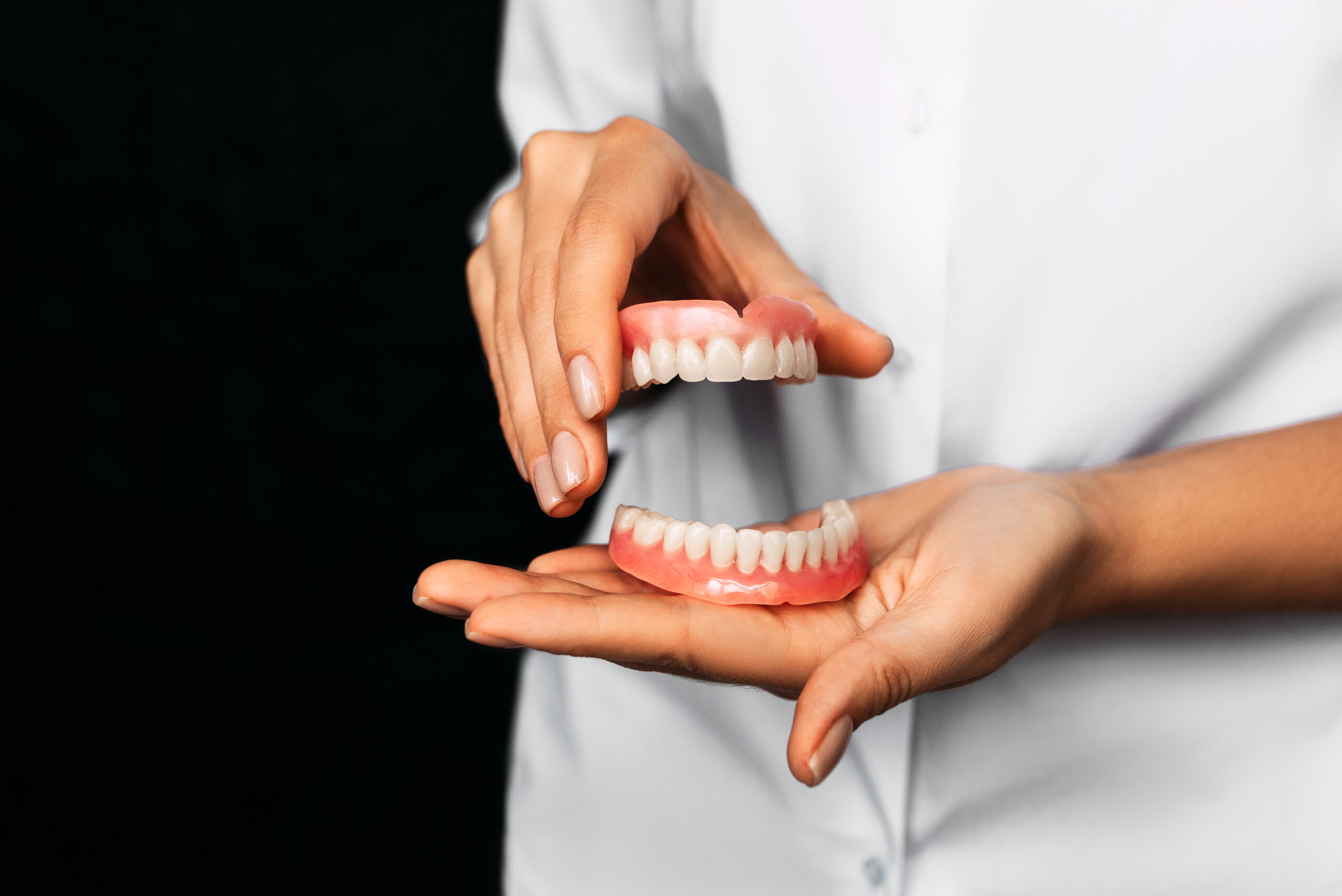

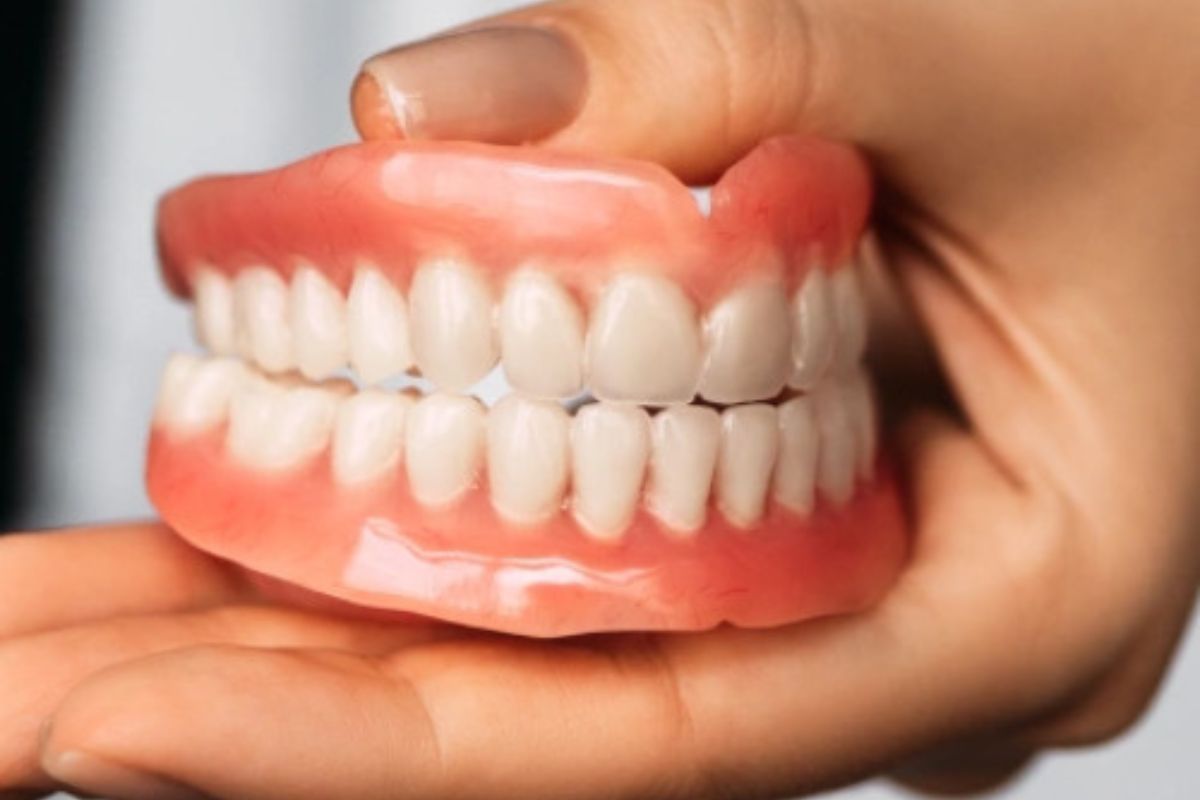
When considering dentures, one of the most common concerns people have is whether they’ll be uncomfortable. It’s understandable, after all, dentures have come a long way over the years, but many still associate them with discomfort and inconvenience. However, with advancements in dental technology, dentures today are more comfortable than ever before.
Dr. Joshua Prompton, a trusted professional in restorative dentistry, has helped countless patients overcome their misconceptions about dentures. In this post, he will debunk five prevalent myths surrounding dentures and explain how modern solutions can make wearing dentures a seamless experience.
Whether you’re considering dentures for the first time or are struggling with the adjustment, Dr. Prompton’s insights will help you make a more informed decision.
What Are Dentures and Why Are They Important?
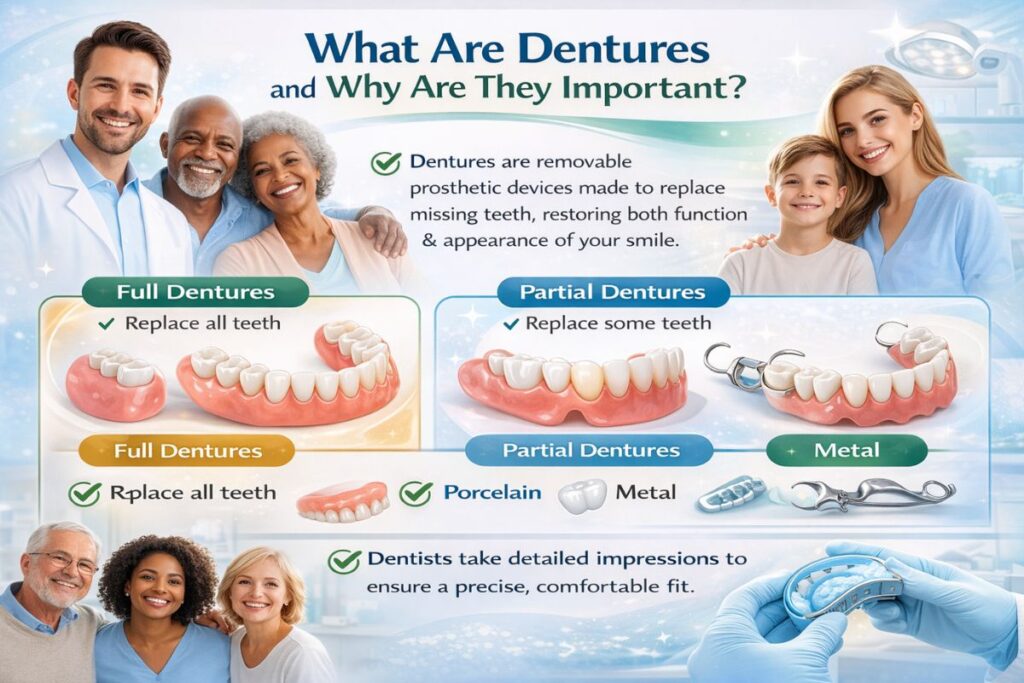
Dentures are removable prosthetic devices designed to replace missing teeth. They help restore both the function and appearance of your smile. There are two primary types of dentures: full and partial. Full dentures replace all the teeth in a row, while partial dentures are used when some natural teeth remain.
These solutions are made from a variety of materials, including acrylic, porcelain, and sometimes metal. The materials are designed to mimic the look and feel of natural teeth, offering a lifelike appearance and improved functionality.
The process of getting dentures typically involves taking detailed impressions of your mouth to ensure the best possible fit. Modern dentures in Chicago are more comfortable than ever due to the use of advanced fitting techniques and improved materials.
Importance of Dentures
The benefits of dentures go far beyond aesthetics. Dentures not only help restore a person’s smile, but they also significantly improve the ability to speak and eat.
Missing teeth can affect speech patterns and make chewing difficult, but dentures provide a functional solution, allowing patients to regain normal speech and chewing abilities. They also prevent the remaining natural teeth from shifting out of place, which can occur when there are gaps in the smile.
Additionally, dentures can boost your confidence. When you’re missing teeth, it can impact your self-esteem and how you interact socially. Dentures provide a solution that allows you to smile freely and comfortably, knowing you have a full, beautiful set of teeth. For those who are self-conscious about missing teeth, dentures offer a way to regain their normal lifestyle without limitations.
5 Myths About Dentures Dr. Joshua Prompton Explained
Myth #1: Dentures Are Always Uncomfortable
Many people worry that dentures will be uncomfortable or difficult to wear. The reality is that, while there may be an adjustment period, dentures are much more comfortable today thanks to modern dental techniques.
Dr. Prompton’s Insight: Advancements in denture materials, like softer acrylics and flexible polymers, make dentures more comfortable than ever before. Additionally, precision fittings ensure that your dentures are custom-molded to your mouth for optimal comfort.
What to Expect: When you first wear dentures, it’s normal to feel some discomfort, such as soreness or a sensation of fullness in the mouth. However, this discomfort typically fades after a few days to a week as your mouth adjusts. With regular check-ups and adjustments, you’ll soon find that your dentures feel natural and comfortable.
Myth #2: Dentures Will Always Slip or Fall Out
A common fear about dentures is that they will slip or fall out while speaking or eating. This myth can cause anxiety for those considering dentures.
Dr. Prompton’s Insight: While older dentures may have had issues with slipping, today’s dentures are designed to stay in place. Proper fitting and the use of modern adhesives ensure that dentures remain secure throughout daily activities.
Solution: One of the best ways to prevent dentures from slipping is by having them properly fitted by a professional. Regular adjustments are important to ensure that your dentures continue to fit snugly. Additionally, there are adhesive options available for extra security, which can provide confidence while wearing dentures throughout the day.
Myth #3: Dentures Are Only for Older Adults
Some people believe that dentures are only for seniors, but that’s not true. Dentures are suitable for people of all ages who have lost teeth, whether due to injury, illness, or genetics.
Dr. Prompton’s Insight: While many denture wearers are older adults, younger individuals may need dentures for reasons such as accident-related tooth loss or congenital conditions that affect tooth development.
When to Consider Dentures: Dentures are a solution that can benefit anyone who has lost teeth and needs a functional and aesthetic replacement. The decision to get dentures can be made at any age, and a prosthodontist can help determine if they’re the right solution for you.
Myth #4: Dentures Require Constant Maintenance and Care
The idea that dentures require constant, high-maintenance care can deter some people from considering them. However, modern dentures are relatively easy to care for.
Dr. Prompton’s Insight: While dentures do require regular cleaning, they don’t need excessive maintenance. With a few simple steps, such as brushing your dentures daily and soaking them overnight, you can keep them in good condition for years.
Tips for Care: Clean your dentures daily with a soft brush and mild soap to remove food particles and plaque. Avoid abrasive cleaners that can damage the surface. Make sure to soak your dentures overnight to keep them moist and maintain their shape. Regular visits to your prosthodontist for check-ups will also help ensure that your dentures continue to fit well.
Myth #5: Dentures Make It Hard to Speak or Eat Properly
Many people fear that dentures will make speaking or eating difficult. While there is an adjustment period, dentures should not interfere with these activities once you’re used to them.
Dr. Prompton’s Insight: Initially, you might experience slight difficulty with speaking or eating due to the new presence of dentures in your mouth. However, with time and practice, your brain and mouth will adjust to the dentures, and you’ll be able to speak and eat normally.
What to Expect: The first few days or weeks may involve some trial and error with eating or speaking, but most people adapt quickly. Start with soft foods and gradually move to more challenging textures. Speaking slowly at first can also help as you get used to the new feel of your dentures.
How Dentures Improve Your Quality of Life
Dentures do more than restore the appearance of your smile; they improve your overall quality of life. They help you eat your favorite foods, speak clearly, and smile confidently. For those who have lived with missing teeth, dentures can be a game-changer in terms of comfort and social interaction.
Psychologically, dentures can reduce the self-consciousness that comes with missing teeth. Whether you’re at a family gathering in downtown or enjoying a coffee at one of the local cafes, knowing your dentures are secure and comfortable allows you to focus on enjoying life without worrying about your teeth.
Functionally, dentures help restore your ability to chew and speak effectively, which can make a huge difference in your daily activities. Eating can become more enjoyable when you no longer have to worry about discomfort or difficulty chewing. Dentures in Chicago bring back your natural function, which is essential for a healthy lifestyle.
To recap, Dr. Joshua Prompton has debunked the five major myths surrounding dentures. Dentures are not inherently uncomfortable. They don’t always slip, they are suitable for all ages, they require minimal maintenance, and they don’t have to interfere with speaking or eating.
At Lux Smiles, we are dedicated to providing our patients with the highest quality denture solutions that offer comfort, functionality, and aesthetic appeal. Don’t let myths hold you back from exploring the benefits of dentures.
If you’re ready to learn more about how dentures can improve your quality of life, schedule a consultation with Dr. Prompton today and take the first step toward a confident, healthy smile!
FAQs
How long does it take to adjust to wearing dentures?
It typically takes a few days to a few weeks to adjust, with most people feeling comfortable once their mouth gets used to the dentures.
Do dentures need to be removed at night?
Yes, it’s recommended to remove dentures at night to allow your gums to rest and to prevent irritation.
Can dentures slip while eating or talking?
Modern dentures are designed to stay secure, but if they feel loose, adjustments or adhesives can help keep them in place.
Are dentures suitable for younger people?
Yes, dentures can be used by anyone who has lost teeth, regardless of age, due to accidents, illness, or other reasons.
Will I be able to eat normally with dentures?
With time, most people adapt to dentures and can enjoy a wide variety of foods comfortably, especially with the right adjustments.