
If you’ve been told you need a root canal, your first question is probably: does root canal treatment actually hurt? It’s one of the most common concerns we hear at Lux Smiles Cosmetic Dentistry and Prosthodontics in Chicago. The honest answer might surprise you. Modern dentistry has completely changed what this procedure feels like — and what to really expect in Chicago is very different from the stories you may have heard.
Root canals have a reputation that no longer matches reality. Most patients report feeling little to no pain during the procedure itself. Understanding what actually happens — before, during, and after — can make a huge difference in how you approach your appointment.
Why Root Canals Got Such a Bad Reputation
The fear surrounding root canals comes from a different era of dentistry. Decades ago, anesthesia options were limited. Techniques were slower and less precise. Patients genuinely did experience more discomfort than they do today.
Today’s root canal procedures benefit from advanced local anesthetics, faster rotary instruments, and better imaging technology. Dr. Joshua Prompton uses modern techniques designed to minimize discomfort at every step. The pain most people associate with root canals is actually the infection that makes the procedure necessary — not the treatment itself.
By the time you sit in the chair, the goal is to eliminate that pain. The procedure treats the source of your discomfort, not create new problems.
What You Actually Feel During Root Canal Treatment in Chicago
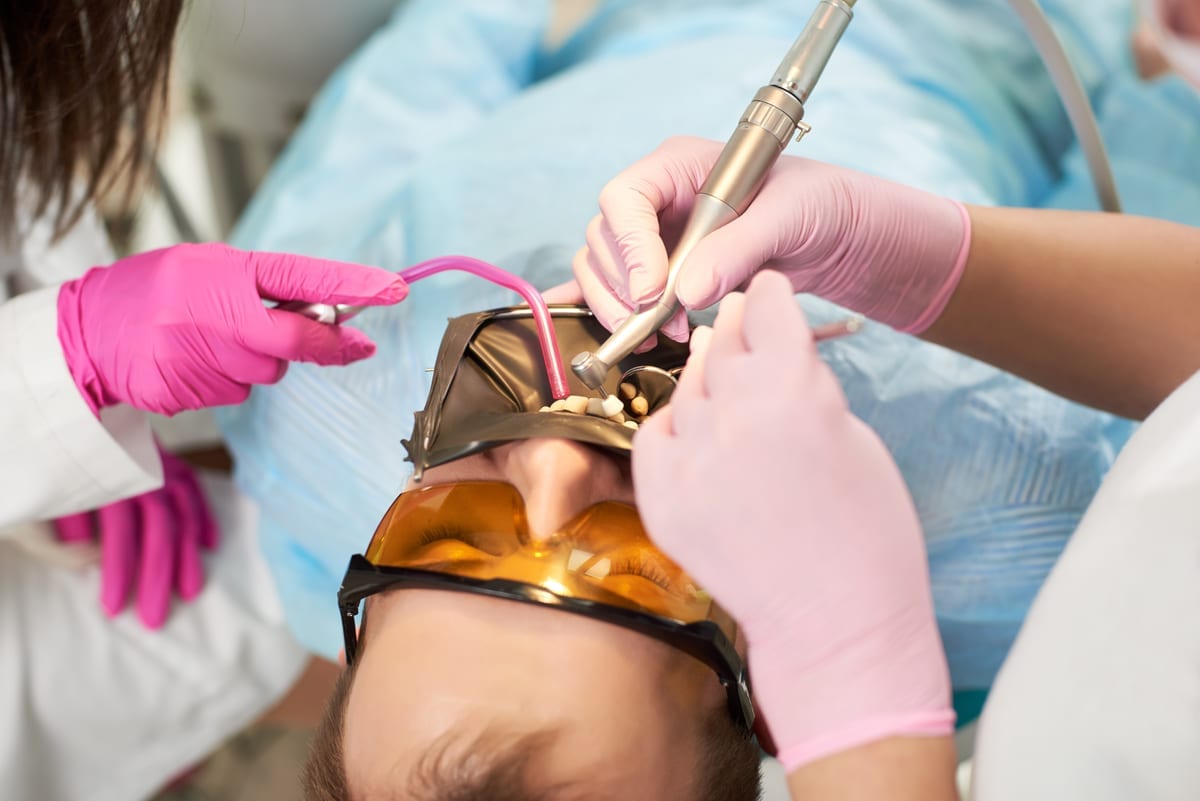
Before the procedure begins, Dr. Prompton numbs the area with a local anesthetic. You may feel a brief pinch from the injection — that’s typically the most uncomfortable moment. Once the area is numb, most patients feel pressure or movement but not sharp pain.
Here’s what the root canal process generally involves:
- Numbing the tooth and surrounding tissue with local anesthetic
- Placing a rubber dam to keep the area clean and dry
- Removing the infected or damaged pulp from inside the tooth
- Cleaning and shaping the root canals carefully
- Filling and sealing the canals to prevent reinfection
- Placing a temporary or permanent crown to restore the tooth
Most patients are genuinely surprised by how manageable the experience feels. The procedure usually takes one to two appointments, depending on how complex the case is. Throughout the process, you can raise your hand at any time if you need a break or more numbing medication.
What to Expect After the Procedure: Recovery Explained
Post-procedure soreness is real, and it’s worth knowing what to expect. After your anesthetic wears off, you may notice mild sensitivity or achiness around the treated tooth. This is completely normal and usually peaks within the first 24 to 48 hours.
Here are practical recovery tips that make a real difference:
- Take over-the-counter pain relievers like ibuprofen as directed
- Avoid chewing on the treated side until your permanent crown is placed
- Stick to soft foods for the first couple of days
- Rinse gently with warm salt water to soothe the area
- Avoid very hot or very cold foods during the initial recovery period
Most patients return to normal daily activities the same day or the next morning. Discomfort typically resolves within a few days. If you experience severe or worsening pain after the first 72 hours, contact our Chicago office right away — that’s not typical and warrants a follow-up.
How Root Canal Treatment Compares to Tooth Removal
Some patients wonder whether extracting the tooth is a simpler, less painful option. In most cases, it’s actually not. Tooth removal involves more extensive healing, and it creates a gap that needs to be addressed. That often means considering options like Dental Implants Chicago or Dental Bridges Chicago to restore function and prevent bone loss.
Root canal treatment preserves your natural tooth. That’s almost always the better long-term outcome. Keeping your original tooth maintains your bite, protects neighboring teeth, and avoids the need for more extensive restorative work later.
From a comfort standpoint, the recovery after a root canal is often easier than after an extraction. There’s no open socket to manage, and healing tends to be more straightforward.
When to See Dr. Prompton About Root Canal Pain in Chicago
Not every toothache means you need a root canal. But certain symptoms suggest the tooth pulp may be infected or damaged. These include sharp pain when biting down, prolonged sensitivity to heat or cold, darkening of the tooth, or swelling in the gum near the tooth.
If you’re experiencing any of these symptoms, don’t wait. Delaying treatment allows infection to spread, which makes the procedure more complex — and yes, more uncomfortable. Early intervention almost always leads to a smoother, easier experience.
Dr. Joshua Prompton and the team at Lux Smiles serve patients across Chicago with compassionate, patient-centered care. Every treatment plan starts with a thorough evaluation and an honest conversation about your options. You’ll always know what to expect before anything begins.
Frequently Asked Questions
Does root canal treatment actually hurt during the procedure?
For most patients, the procedure causes very little pain. Local anesthesia numbs the area thoroughly before work begins. You may feel pressure or movement, but sharp pain during the procedure is uncommon with modern techniques.
How long does recovery take after a root canal in Chicago?
Most patients feel back to normal within two to three days. Mild soreness in the first 24 to 48 hours is expected. Over-the-counter pain relievers typically manage any discomfort effectively during this period.
Is a root canal worse than a tooth extraction?
Most dental professionals consider root canal treatment to be less traumatic than extraction. It preserves the natural tooth, and recovery is often more straightforward. Extraction also requires additional restorative steps to replace the missing tooth.
What happens if I delay a root canal?
Delaying treatment allows the infection to spread to surrounding tissue and bone. This can make the procedure more complex and increase your discomfort before treatment. Early care leads to better outcomes and a simpler recovery.
How do I know if I need a root canal?
Common signs include persistent toothache, sensitivity to heat or cold that lingers, pain when biting, swelling near the tooth, or a darkened tooth color. A dental evaluation with X-rays is the only way to confirm whether root canal treatment is needed.
If you’re searching for answers about what to really expect in Chicago — and whether a root canal is right for you — our team is here to help. Book Now to schedule your appointment with our team.