
You’ve just completed your Invisalign treatment. Now, what’s next? After months of wearing clear aligners, your smile has transformed, but the journey doesn’t end there. To keep your teeth in their new positions and avoid shifting, wearing a retainer is essential. This step is just as crucial as the treatment itself, ensuring your smile stays beautiful for years to come.
In this blog, we’ll dive into the importance of retainers after Invisalign, how long you need to wear them, and what happens if you don’t. Let’s explore why retainers are an essential part of your orthodontic journey with Lux Smiles.
Why Retainers Are Necessary After Invisalign
Overview of Invisalign Treatment
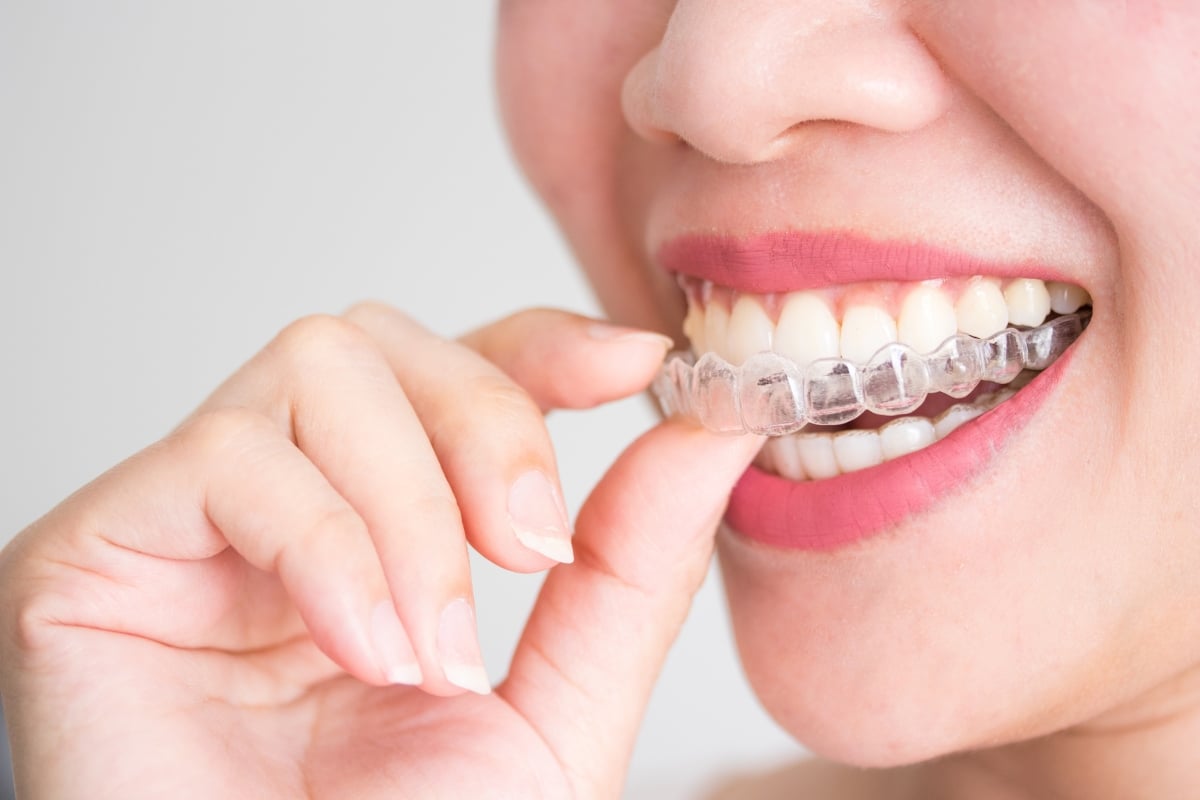
Invisalign treatment is designed to gradually straighten your teeth using clear aligners. Unlike traditional braces, Invisalign uses a series of custom-made trays that are worn for about 22 hours each day. These aligners shift your teeth gently into alignment, making the treatment discreet and comfortable. However, once treatment is complete, the bone and gums need time to adjust to their new positions. That’s where retainers come in.
Preventing Shifting Teeth
Without the support of a retainer, your teeth may begin to shift back to their original positions. The retainer helps maintain the alignment achieved by Invisalign, allowing the bone and soft tissues around your teeth to fully adapt. While Invisalign in Chicago works wonders in moving teeth, a retainer is what ensures those results are permanent. This is why wearing a retainer is a key step in preserving your new smile.
How Long Do You Need to Wear a Retainer?
First Few Months
After completing your Invisalign treatment, wearing a retainer full-time is crucial during the first 3 to 6 months. This phase helps ensure that your teeth stay in their new positions while the bone and gums adjust to the changes.
During this time, you’ll be required to wear your retainer for 20-22 hours each day, taking it out only to eat, drink, or brush your teeth. The retainer acts as a safeguard, preventing your teeth from shifting back to their previous alignment. This full-time wear is essential to set a solid foundation for long-term success.
Long-Term Wear
Once the initial 3 to 6 months have passed, you’ll transition to wearing your retainer only at night. This long-term wear is necessary to keep your teeth in place as they continue to stabilize.
Even though you may feel that your teeth are fully set, the bone and tissues surrounding them are still adjusting to the changes made by Invisalign. Nighttime wear helps maintain the alignment while preventing any slight shifting that could occur over time.
For many people, wearing a retainer at night is all that’s needed once the teeth have stabilized. However, some individuals may need to continue wearing their retainer for longer periods, especially if they had significant misalignment before treatment. In some cases, you might be advised to wear your retainer longer, even during the day, to ensure that the results last.
At Lux Smiles, we emphasize the importance of follow-up care and personalized recommendations to make sure your smile remains in perfect alignment. Keep in mind that consistent retainer use will help you enjoy the lasting benefits of your Invisalign treatment!
Factors That Affect Retainer Wear Time
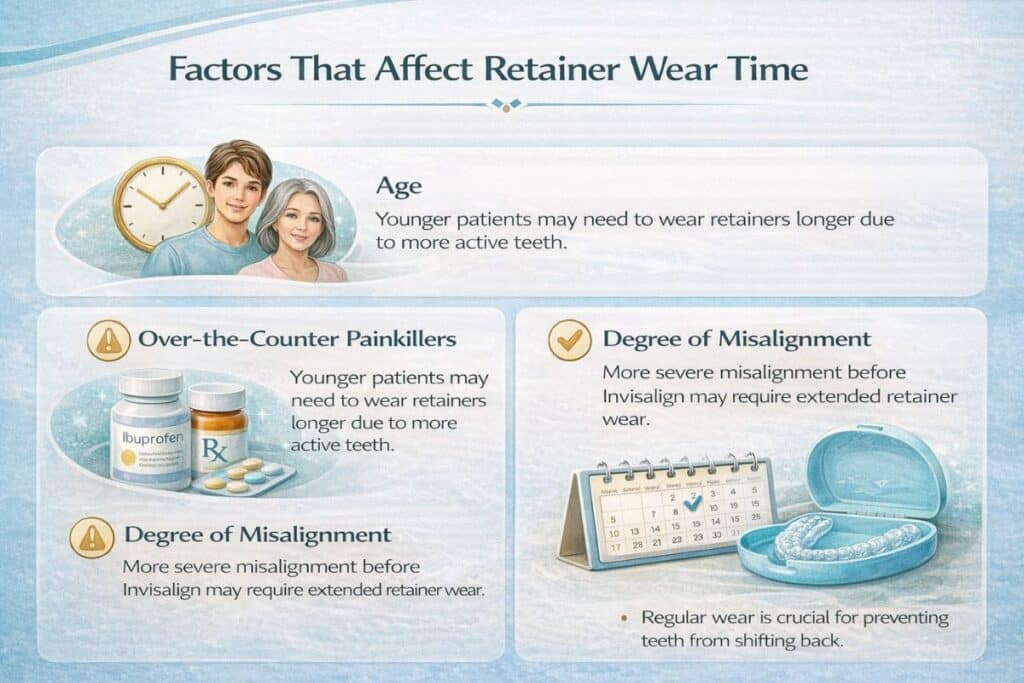
Age
Younger patients may need to wear their retainers for longer periods due to more active teeth. Since a younger person’s teeth and jawbone are still in development, there is a greater risk of relapse without consistent retainer use. Older adults may find that their teeth stabilize more quickly, but they should still follow the recommended retainer schedule.
Degree of Misalignment
If you had significant misalignment before starting Invisalign treatment, it may take a longer period for your teeth to remain stable in their new positions. In this case, your retainer wear might extend beyond the initial few months. It’s crucial to stick to the retainer schedule to avoid your teeth moving back to their original positions.
Consistency
The key to long-term success with your retainer is consistency. Regular wear ensures your teeth stay in their new positions, while neglecting to wear it as recommended can result in gradual shifting. The more consistently you wear your retainer, the less likely you are to need further treatment in the future.
Types of Retainers and How They Impact Wear Time
Clear Retainers
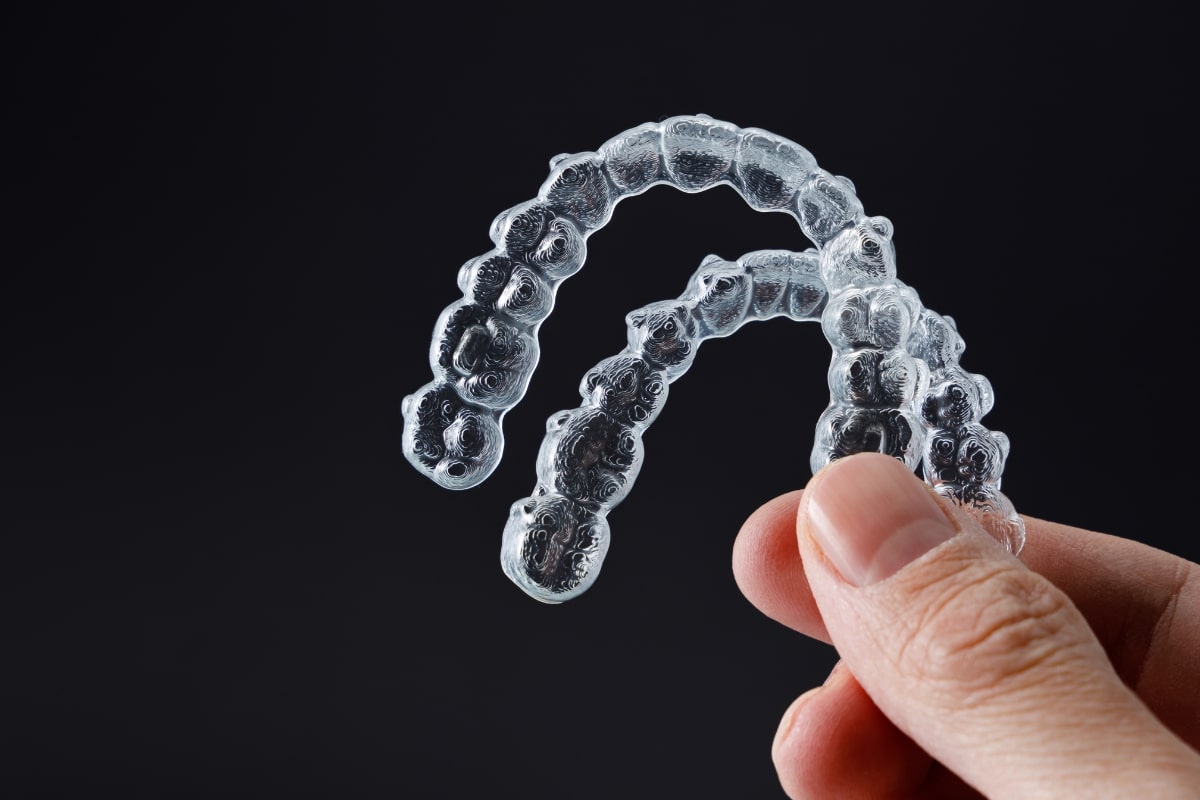
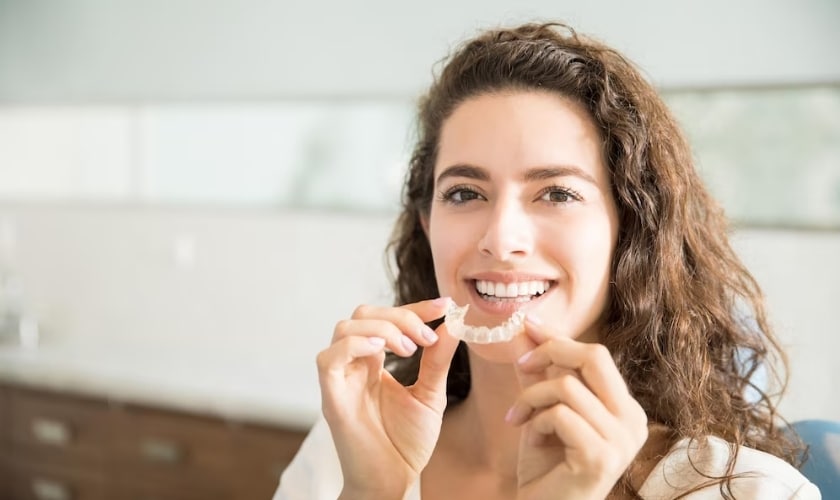
Clear retainers are similar to the Invisalign trays you’ve already worn. These are comfortable, discreet, and easy to clean. Because of their flexibility, clear retainers can be worn longer, making them ideal for people who need extended wear. For some, clear retainers may even be the most convenient option for long-term wear, especially since they are nearly invisible.
Hawley Retainers
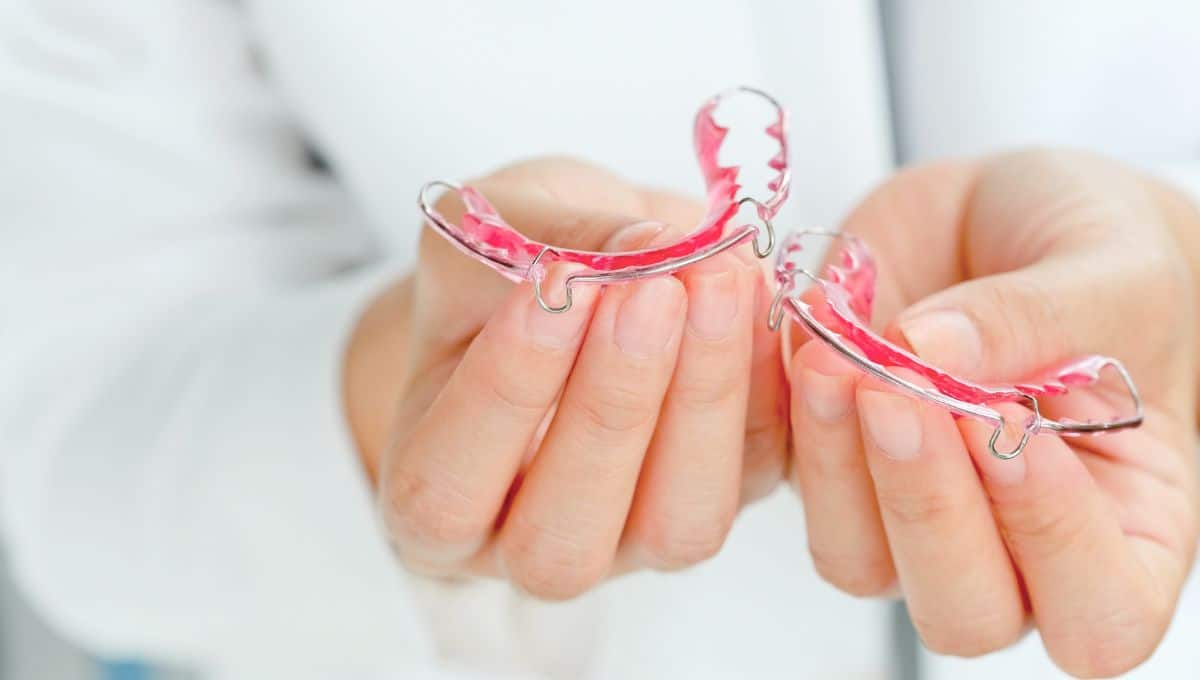
Hawley retainers are made of a metal wire and an acrylic base that sits against your teeth. While they are more noticeable than clear retainers, they are highly durable and can be adjusted as needed. Some people find that Hawley retainers last longer due to their sturdiness, but they may need to be worn more frequently to prevent teeth from shifting.
Fixed Retainers
For patients who want a more permanent solution, fixed retainers are a great option. These retainers are bonded to the back of your teeth, ensuring they stay in place permanently. Fixed retainers are often used for individuals who have more significant misalignment issues or who are at a higher risk of relapse. While they require minimal effort to maintain, they still need to be cleaned regularly to avoid plaque buildup.
What Happens if You Don’t Wear Your Retainer?
Risks of Not Wearing the Retainer
Failing to wear your retainer as prescribed can result in your teeth shifting back to their original positions. This is known as relapse, and it can be frustrating after investing time and effort in Invisalign in Chicago. In some cases, further orthodontic treatment may be needed to correct the shift.
Addressing Common Concerns
While wearing a retainer every night might seem inconvenient at first, it’s a small price to pay for maintaining your beautiful smile. Some people worry about discomfort or the cost of replacing a lost retainer, but the benefits of wearing one far outweigh the potential consequences of not doing so. Plus, the retention phase doesn’t last forever. With a bit of commitment, your smile will stay intact for years to come.
Tips for Retainer Care and Maintenance
Cleaning Your Retainer
To keep your retainer in good condition, clean it regularly with mild soap and warm water. Avoid using hot water, as it can warp the plastic. You can also use a retainer cleaning solution to keep it fresh. Always store your retainer in its case when not in use to avoid damage.
When to Replace Your Retainer
Retainers can wear out over time, especially if they become cracked or discolored. If your retainer no longer fits properly or becomes uncomfortable, it may be time for a replacement. Schedule an appointment with Lux Smiles to get a new retainer if necessary.
Wearing a retainer after Invisalign is a crucial step in maintaining your new smile. By following the prescribed retainer schedule and caring for your retainer, you can ensure your teeth stay in their perfect positions for years to come.
If you have any questions about retainer wear or need a replacement, don’t hesitate to reach out to Lux Smiles. Our team is here to help guide you through the retention phase and ensure your smile remains as beautiful as ever.
Are you ready to keep your smile intact? Book an appointment with us at Lux Smiles today to get the care and guidance you need!
People Also Ask
How long do I need to wear my retainer after Invisalign?
Typically, wear your retainer full-time for the first 3-6 months, then switch to nighttime wear indefinitely to maintain your results.
Can I stop wearing my retainer after 1 year?
It’s not recommended. While you may only need to wear it at night after a year, wearing your retainer consistently is crucial for long-term success.
How do I clean my retainer?
Clean your retainer with mild soap and warm water daily. Avoid using hot water as it can warp the plastic.
What if my retainer doesn’t fit anymore?
If your retainer feels tight or uncomfortable, schedule a visit with Lux Smiles to check if it needs adjustment or replacement.
Can I still get cavities with my retainer?
Yes, cavities can still occur with a retainer in place, especially if not cleaned properly. Ensure good oral hygiene and clean your retainer regularly.