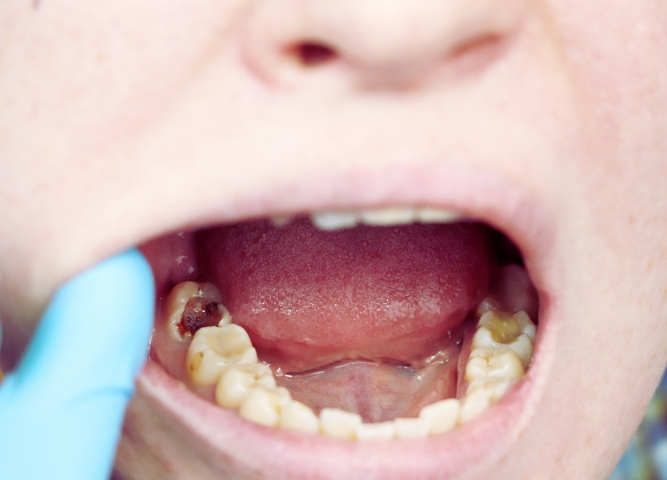


Dental health is an essential aspect of overall well-being, yet it’s often overlooked until something goes wrong. Routine dental checkups are crucial for maintaining a healthy mouth, but how often should you schedule them? It’s a question that many people wonder about. The frequency of your visits to the dentist depends on several factors, including your oral health, lifestyle, and any specific conditions you may have.
At Lux Smiles, we understand that maintaining your dental health can sometimes feel like a hassle, but regular dental checkups can save you time, money, and discomfort in the long run. This blog will help you understand why dental checkups matter, how often you should visit your dentist, and how to make the most of your visits.
The Importance of Regular Dental Checkups
Many people are aware that they should visit the dentist regularly, but often they aren’t sure how often that should be. The general recommendation for most adults is to have a dental checkup every six months. However, the right frequency for you can depend on various factors. Regular checkups are essential because they allow your dentist to monitor the health of your teeth and gums and your overall oral hygiene.
A general dentistry practice in Chicago focuses on preventive care, so routine checkups can help identify issues early. Early detection of problems like cavities, gum disease, or oral cancer can save you from more complex and costly procedures down the road. Furthermore, regular visits allow your dentist to provide professional cleanings, removing plaque and tartar that you can’t remove with regular brushing and flossing.
How Often Should You Visit the Dentist?

While the standard recommendation is every six months, some people may need to visit the dentist more or less frequently, depending on their unique circumstances.
1. Standard Recommendation: Every Six Months
For most people with good oral health, visiting your general dentistry in Chicago every six months is sufficient. This schedule allows your dentist to monitor the health of your teeth and gums and catch any issues before they turn into bigger problems. These regular visits also give you an opportunity to ask your dentist any questions or raise any concerns about your oral health.
2. If You Have Dental Health Concerns
If you have specific dental concerns or conditions, your dentist may recommend more frequent visits. For example, if you have gum disease, cavities, or a history of dental problems, your dentist might recommend seeing you every 3 to 4 months. This allows them to keep a closer eye on your condition and ensure it’s not worsening. For those with conditions like diabetes or heart disease, regular dental checkups become even more important, as oral health is closely linked to overall health.
3. Children and Teens May Need More Frequent Visits
For children and teenagers, more frequent visits may be required, especially if they are undergoing orthodontic treatment like braces or clear aligners. During these visits, your dentist will monitor the development of teeth and jaws to ensure that they’re on the right track. Children may also need fluoride treatments or dental sealants to prevent cavities and promote better oral hygiene.
4. Those with Higher Risk Factors
Some people are at higher risk for oral health issues and may need to visit their dentist more often. This includes individuals who smoke or use tobacco, have a poor diet, or have a family history of dental problems. People with chronic conditions such as diabetes may also need more frequent checkups because they’re more prone to gum disease and other oral issues. If you fall into any of these categories, it’s important to discuss with your dentist whether more frequent visits are necessary for you.
What Happens During a Dental Checkup?
Dental checkups typically last about 30 to 60 minutes. Here’s what you can expect during a routine visit:
- Examination: The dentist will examine your teeth, gums, and mouth for any signs of disease, cavities, or abnormalities.
- Cleaning: A dental hygienist will remove plaque and tartar from your teeth that regular brushing and flossing may miss.
- X-rays: If necessary, your dentist may take X-rays to better assess the health of your teeth, roots, and jawbone.
- Oral Cancer Screening: Your dentist will check for any signs of oral cancer, including lesions or abnormal tissue.
- Personalized Advice: Based on your oral health, your dentist may offer advice on improving your brushing, flossing, or other oral care habits.
Dental checkups are your opportunity to ask questions about your oral health and get guidance on improving your hygiene routine.
How to Make the Most of Your Dental Checkup
To get the most out of your dental visit, it’s important to be prepared and proactive. Here are some tips to ensure your checkup is as effective as possible:
- Be honest with your dentist: Share any concerns you have about your oral health, whether it’s tooth sensitivity, bleeding gums, or trouble with your bite. Being upfront helps your dentist provide you with the best care.
- Ask questions: If you’re unsure about any aspect of your oral care routine, don’t hesitate to ask your dentist for tips or advice.
- Follow your dentist’s recommendations: After your checkup, follow any recommendations your dentist gives you for maintaining or improving your oral health.
- Schedule your next appointment: Don’t wait until the last minute to book your next checkup. Scheduling it in advance ensures you stay on track with regular visits.
The Cost of Neglecting Dental Checkups
Failing to maintain regular dental checkups can lead to more serious dental issues in the future. Problems like cavities, gum disease, and even tooth loss can develop if not caught early. Additionally, untreated oral health issues can impact your overall health, leading to complications such as heart disease or diabetes. Preventive care is always less expensive than dealing with a serious dental issue later on.
How to Schedule Your Next Dental Checkup
At Lux Smiles, we help you maintain a healthy smile for life. Our team offers comprehensive dental services, from routine cleanings to advanced treatments, ensuring that you receive the best care possible. If it’s time for your next checkup, don’t wait—schedule an appointment with our general dentist in Chicago today. Our friendly team is ready to make your dental visits comfortable and effective.
FAQs
1. How long does a dental checkup take?
A. standard dental checkup typically takes between 30 and 60 minutes, depending on the condition of your teeth and the procedures required.
2. Can I skip dental checkups if I don’t have any tooth pain?
A. Even if you aren’t experiencing pain, regular checkups are essential for preventing issues that may not be immediately obvious, such as cavities or gum disease.
3. How often should I visit the dentist?
A. Most people should visit their dentist every six months for routine checkups. However, if you have specific oral health concerns, your dentist may recommend more frequent visits.
4. Why are dental checkups important?
A. Regular dental checkups help detect problems early, keep your teeth clean, and prevent serious conditions such as gum disease and cavities.