
When you’re missing a tooth or multiple teeth, it can affect both your smile and your self-confidence. A dental bridge offers a reliable and effective solution to fill in those gaps, restoring your smile and your ability to chew and speak comfortably. However, choosing the right dental bridge requires careful consideration. In this blog, we’ll explore everything you need to know about selecting the best dental bridge for your smile.
What is a Dental Bridge?
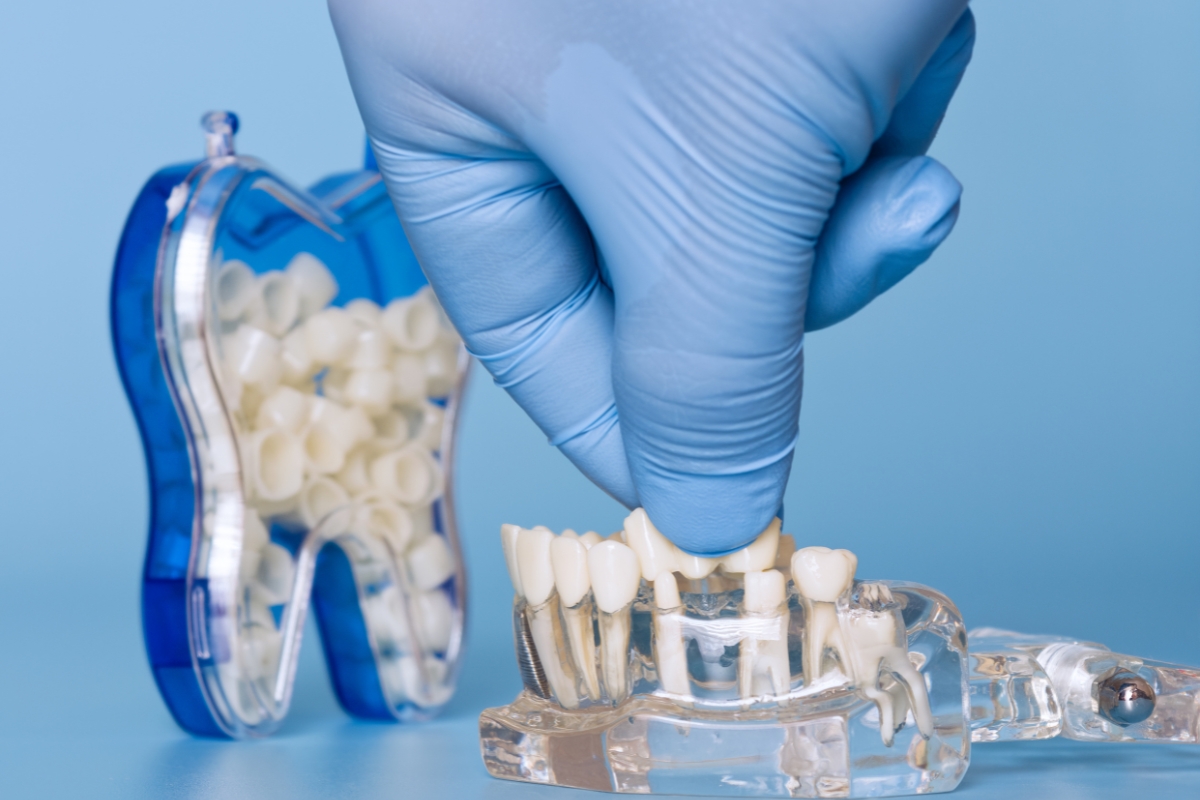
A dental bridge is a prosthetic device used to replace one or more missing teeth. It consists of one or more artificial teeth (called pontics) anchored by crowns on adjacent natural teeth or implants. The purpose of a dental bridge is to restore both the appearance and function of your smile. There are various dental bridges, each with different features and benefits.
Types of Dental Bridges
To choose the best dental bridge, it’s essential to understand the different types available:
- Traditional Dental Bridge:
The most common type, a traditional bridge, involves anchoring the bridge to natural teeth on either side of the gap. These are typically made from porcelain or ceramic to blend with the natural teeth. - Cantilever Dental Bridge:
This type of bridge is supported by a single anchor tooth and is used when there is only one adjacent tooth next to the gap. It’s less common but useful in certain cases. - Maryland Dental Bridge:
A Maryland bridge is often used for missing front teeth. It is less invasive and supported by metal or porcelain wings that are bonded to adjacent teeth. - Implant-Supported Bridge:
When natural teeth are not an option for anchoring the bridge, dental implants can be used instead. This provides a more durable and permanent solution, especially in cases of significant tooth loss.
Factors to Consider When Choosing a Dental Bridge
When deciding on the best dental bridge for your smile, consider the following factors:
- Location of the Missing Tooth:
The location of the missing tooth plays a significant role in the type of bridge you should choose. For example, molars require a more durable bridge, often with implants, due to the heavy chewing pressure they endure. - Oral Health:
Your overall dental health is critical in selecting the right bridge. A traditional bridge may be the best option if your adjacent teeth are healthy and strong. However, an implant-supported bridge may be a better choice if your teeth are damaged or weakened. - Material Options:
Dental bridges are available in various materials, including porcelain, ceramic, gold, and composite resin. The material affects both the bridge’s appearance and its durability. Porcelain is often preferred for its natural appearance, especially for visible teeth. - Cost:
The cost of dental bridges can vary significantly depending on the type of bridge, materials used, and whether implants are involved. While traditional bridges are usually more affordable, implant-supported bridges tend to be a higher initial investment but may offer longer-lasting results.
Advantages of Dental Bridges
Dental bridges come with several benefits that make them a great choice for restoring your smile:
- Restoration of Function:
A dental bridge restores your ability to chew and speak without discomfort, helping you eat a variety of foods once again. - Improved Appearance:
A dental bridge improves the aesthetic look of your smile, closing the gaps left by missing teeth and giving you a more natural, complete smile. - Prevention of Further Dental Problems:
Missing teeth can lead to shifting of the surrounding teeth, which can cause misalignment and other oral health issues. A dental bridge prevents this by filling in the gap. - Minimal Invasiveness:
While implant-supported bridges require surgery, most dental bridges are non-invasive and can be completed with a few visits to the dentist.
How to Care for Your Dental Bridge?
Caring for your dental bridge is crucial to ensure its longevity. Here are some tips for maintaining your bridge:
- Brush and Floss Regularly:
Like natural teeth, dental bridges must be brushed and flossed daily. Special floss threaders are available to help clean around the bridge. - Avoid Hard Foods:
Hard or sticky foods can damage the bridge or cause it to become loose. Be cautious of foods like hard candy, popcorn, or chewy sweets. - Regular Dental Checkups:
Visit your dentist regularly to ensure that your dental bridge is still in good condition and that no issues are developing with your surrounding teeth.
How Long Does a Dental Bridge Last?
On average, a dental bridge can last between 5 to 15 years, depending on the material used and how well you care for it. Bridges made from durable materials like porcelain or ceramic tend to last longer. Regular maintenance and good oral hygiene will help maximize the lifespan of your dental bridge.
When Is a Dental Bridge the Right Choice?
While dental bridges are a great option for many people, there may be better choices for some. This solution is highly effective if you have strong, healthy adjacent teeth or implants that can support a bridge. However, if your teeth are not in good condition, you may need to explore other options, such as dental implants, for a more permanent and durable solution.
Selecting the right dental bridge for your smile can make all the difference in restoring your confidence and ability to eat and speak comfortably. Consider the various types of bridges, the materials, and your unique dental needs to make an informed decision. Whether you choose a traditional dental bridge or an implant-supported bridge, this treatment can enhance your smile and overall dental health.If you’re ready to explore your options for a dental bridge, contact our licensed professionals today to schedule a consultation and get personalized advice.