
Your jaw is an intricate joint, and if there are any issues with it, the problem is not just limited to pain. A problematic jaw can lead to difficulties with eating, speech, and sleep. Jaw pain is usually caused by TMJ (Temporomandibular Joint) disorder, but not always. In this blog, we will point out essential signs of TMJ disorder as well as other illnesses that may be causing your jaw pain. By the time you are done reading, you will have a better idea of the cause of your symptoms and how TMJ therapy can produce results.
What is TMJ Disorder and How Does It Cause Pain?
TMJ (Temporomandibular Joint) disorder is a condition that causes dysfunctions of the hinge that connects your jaw to your skull. This dysfunction can be painful or uncomfortable. You might feel pain in your ears, neck, or shoulders, even if the location doesn’t hurt.
- Jaw clicking or popping
- Difficulty opening or closing your mouth
- A feeling of tightness or tension around the jaw
- Headaches or neck pain
These could be signs of TMJ disorder. If these symptoms accompany your jaw pain, it’s worth considering TMJ therapy in Chicago as a possible treatment. TMJ therapy can help alleviate discomfort and restore function to the jaw joint.
Other Potential Causes of Jaw Pain
While many people will have found that their jaw pain stems from TMJ, it is still very common to rule out other potential sources of pain. Some other factors that could cause jaw pain include:
Teeth Grinding (Bruxism)
For many individuals who grind their teeth at night (bruxism), this can put pressure on the muscles around the jaw and on the joint itself (the temporal-mandibular joint). Therefore, if you grind your teeth, the increased pressure will stress the muscles surrounding the joint, leading to soreness or stiffness.
Arthritis
Like any other joint in your body, the joint in the jaw can also be affected by arthritis. This type of arthritis (Inflammatory Arthritis) will cause pain and stiffness within the jaw, just as TMJ does.
Injury or Trauma
If you received a direct impact to your jaw, then you will feel pain and swelling, along with a reduced range of motion. Whether from car accidents or sporting events, injuries, or trauma sustained to your jaw may create long-term discomfort.
Dental Issues
When people have misaligned teeth, cavities, or periodontal disease, jaw pain may also result because these conditions add strain to the muscles around the jaw.
If you suspect you have jaw pain due to any of these factors, contact a knowledgeable dental healthcare provider to obtain an accurate diagnosis, and then consult with a prosthodontist for TMJ therapy in Chicago to determine the most appropriate treatment for you based upon your individual needs.
How TMJ Therapy Can Help
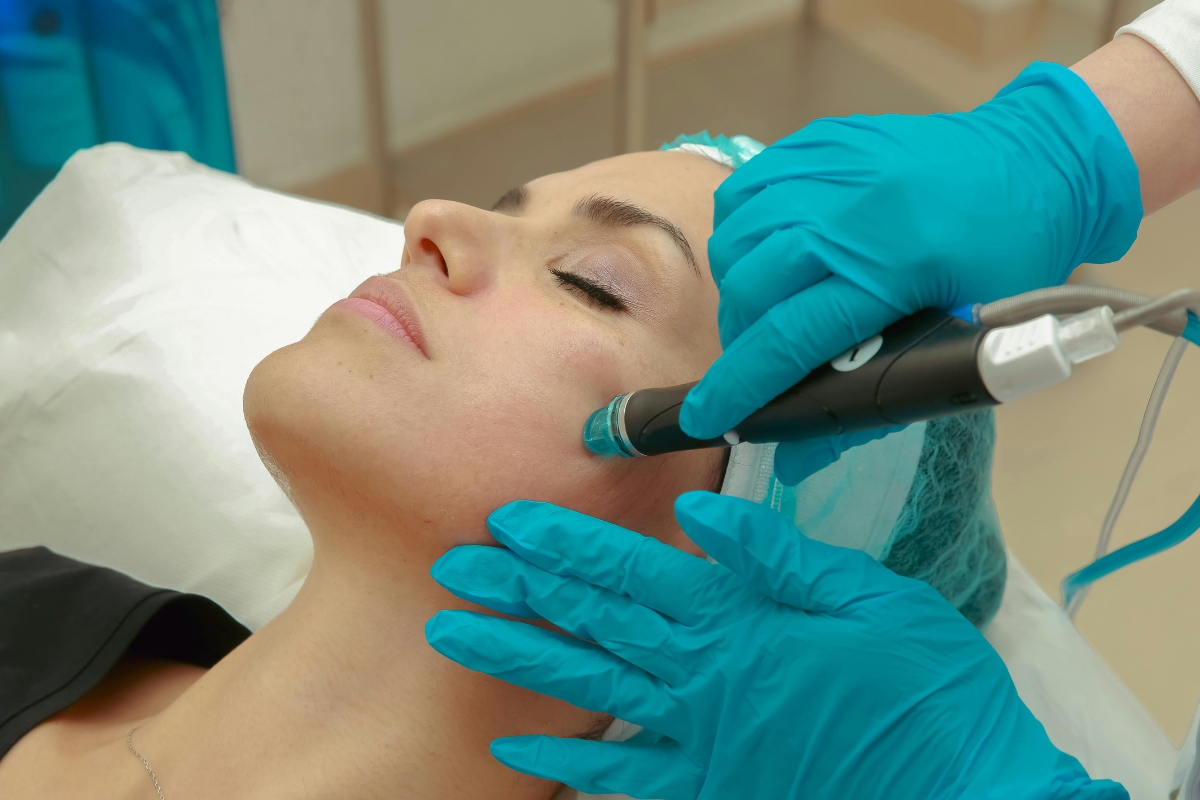
TMJ therapy in Chicago can offer a wide range of therapeutic options as long as your jaw pain has been diagnosed as being due to TMJ syndrome. For most patients with TMJ symptoms, the most commonly used therapeutic approach would combine a hypothetical list of therapies, which include:
Physical Therapy
A physical therapist would help you learn different exercises to strengthen the jaw and increase its range of motion. This results in a decrease in the pain a person feels in their jaw due to reduced muscle tension.
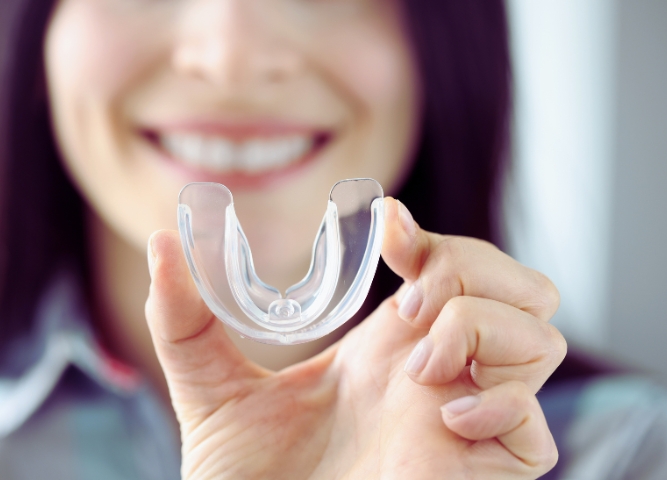
Mouthguards or Splints
Mouthguards and splints can reduce teeth grinding, a major cause of these syndromes, by preventing the upper jaw from contacting the lower jaw.
Heat or Cold Therapy
Applying heat or cold to the jaw area can help reduce inflammation and relax the muscles around the jaw, providing instant relief.
Medication
If the previous treatment options are not alleviating patients’ discomfort enough, over-the-counter anti-inflammatory agents and muscle relaxers prescribed by their prosthodontist can provide some relief.
There are certain cases in which a more aggressive course of treatment may be indicated, which includes injections and surgical treatment; however, the vast majority of patients will find relief with non-invasive methods.
Final Thoughts: Move Forward with Treating Your Jaw Pain
If you are suffering from chronic jaw pain, seeking assistance as soon as possible will help you find the right treatment by identifying the cause. A TMJ disorder can also be treated by finding the appropriate treatment early on. This can help improve your quality of life and provide you with more effective treatment for TMJ while decreasing your pain levels from getting worse.
If you’re experiencing jaw pain and would like to determine whether professional TMJ treatment is appropriate for you, don’t hesitate to reach out to Lux Smiles today for a consultation to start the journey toward a pain-free smile.
FAQs
What is the Best Treatment for TMJ Pain?
The best treatment for TMJ (temporomandibular joint) pain depends on the severity of your symptoms. Common treatment options include physical therapy, mouthguards, and heat or cold therapy.
Are Headaches Related to TMJ Disorder?
Yes. Tension headaches can occur due to TMJ (temporomandibular joint) disorder, which puts strain on the muscles around your jaw and head.
Is TMJ Disorder Permanent?
While some people may have chronic TMJ issues, many find relief from chronic symptoms using the heat or cold therapies, as well as the physical and lifestyle changes mentioned above.
How Do I Know If I Have TMJ Disorder?
If you’ve experienced jaw clicking, an uncomfortable jaw position (when opening or closing your mouth), ear discomfort, or tension headaches, you may have TMJ. To get a definitive diagnosis, you should seek professional assistance.
Can Stress Contribute to TMJ?
Yes. When you’re under stress, it can increase your tendency to clench your jaw or grind your teeth, which can worsen any existing TMJ symptoms you may have.
What Happens If TMJ Disorders Are Not Treated?
Leaving TMJ conditions untreated may result in chronic pain, jaw dysfunction, and possible tooth and joint damage later on.
Can a Prosthodontist Help with TMJ Disorder?
Prosthodontists with training in TMJ or orofacial pain treatment can assist in diagnosing and treating TMJ disorder using a variety of therapeutic methods, including mouthguards, jaw traction, muscle relaxation, physical therapy, and pain medications.