
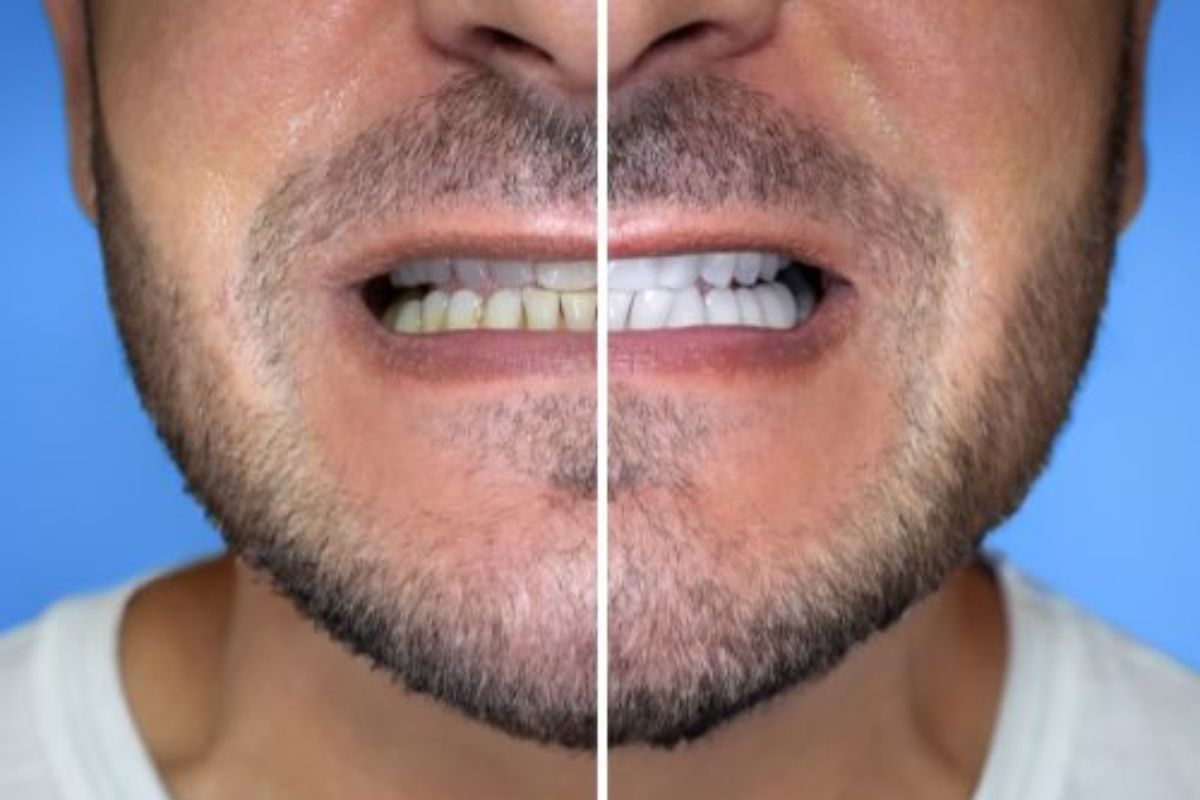
Have you ever wondered if that bright, dazzling smile you’ve always dreamed of is worth the potential for tooth sensitivity? Teeth whitening has become a go-to solution for anyone seeking a brighter, more confident smile. But before you dive into your whitening journey, it’s important to understand one common side effect: sensitivity. While the results can be stunning, some individuals may experience discomfort.
In this blog, we’ll explore how teeth whitening can affect your teeth, why sensitivity happens, and what you can do to minimize it. By the end, you’ll have the knowledge to make the best decision for your smile.
What is Teeth Whitening?
Teeth whitening refers to a cosmetic dental treatment designed to remove stains and lighten the color of your teeth. There are several methods available, ranging from at-home products to professional treatments done in a dental office.
At-home kits typically involve whitening strips or trays that use a lower concentration of whitening agents, such as hydrogen peroxide. While these methods are convenient and cost-effective, they often take longer to show results.
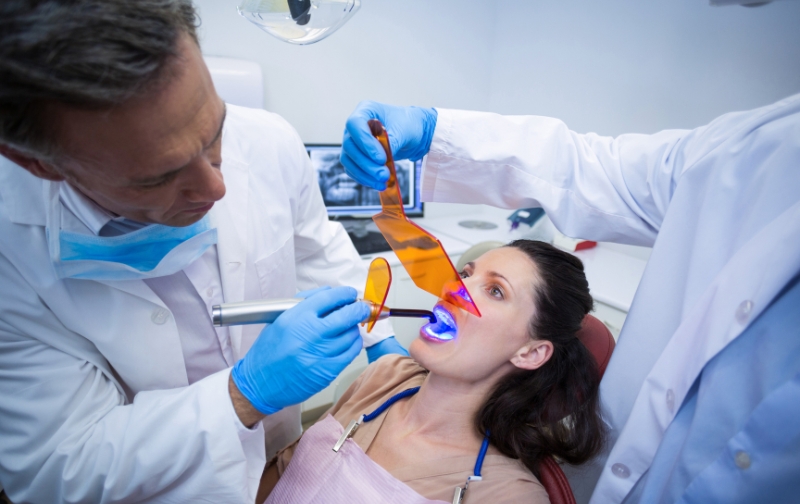
In contrast, professional whitening treatments performed at a dental practice, such as Lux Smiles, offer faster results with stronger, more concentrated formulas. Dentists apply whitening agents directly to the teeth and may use light or heat to accelerate the process. These treatments are generally more effective and provide longer-lasting results compared to at-home options.
Teeth whitening in Chicago has grown immensely popular, especially in today’s social media-driven world, where a bright smile is often seen as a sign of good health and success.
Whether it’s for a wedding, a special event, or just to feel more confident in everyday life, many people are turning to teeth whitening to improve their appearance. But what about the potential downside? Let’s take a closer look at what could happen during or after whitening.
Understanding Teeth Sensitivity
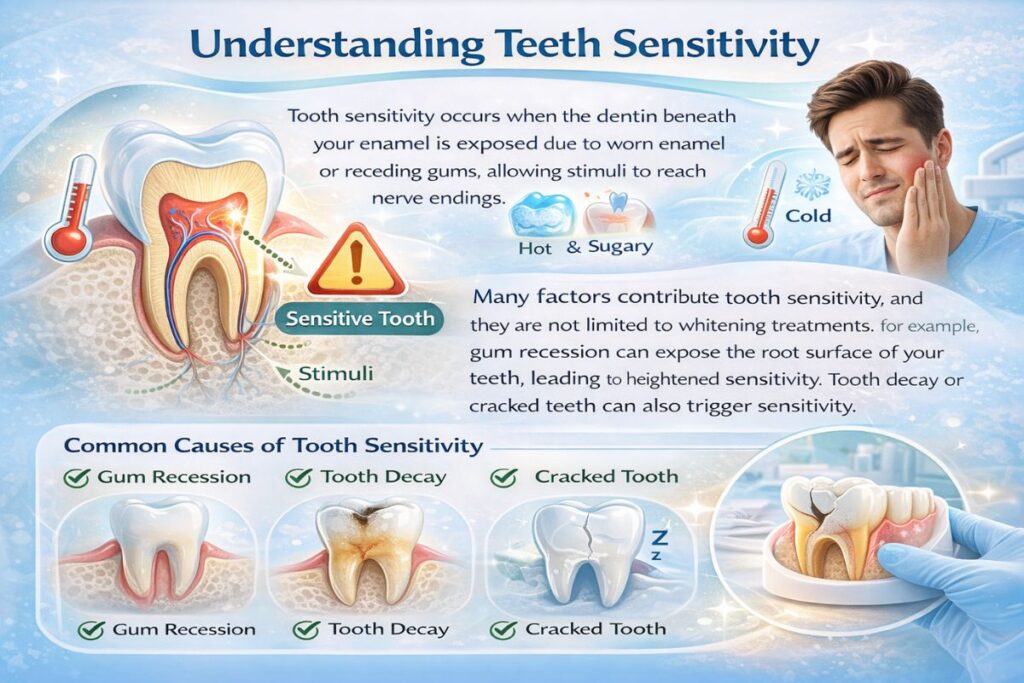
Tooth sensitivity is a common phenomenon where you experience discomfort or pain when consuming hot, cold, sweet, or acidic foods and beverages. It occurs when the underlying layer of the tooth, called the dentin, is exposed due to worn enamel or receding gums. This exposure allows stimuli to reach the nerve endings in your teeth, resulting in sharp pain or discomfort.
Many factors contribute to tooth sensitivity, and they are not limited to whitening treatments. For example, gum recession can expose the root surface of your teeth, leading to heightened sensitivity. Tooth decay or cracked teeth can also trigger sensitivity. Additionally, certain health conditions like acid reflux or bruxism (teeth grinding) may exacerbate this issue.
While whitening treatments can temporarily increase tooth sensitivity, it’s important to distinguish between the normal side effect of whitening and more serious dental issues. If you’ve undergone sensitivity before whitening, it’s a good idea to discuss this with your dentist at Lux Smiles before starting treatment.
How Teeth Whitening Can Cause Sensitivity
The active ingredient in many teeth whitening products is hydrogen peroxide, which works by breaking down stains and discoloration on the tooth surface. However, this chemical also has the ability to penetrate the enamel and reach the dentin, which is a more sensitive layer of the tooth. As the whitening agent penetrates deeper into the tooth structure, it can temporarily increase the sensitivity of your teeth.
Sensitivity occurs because the whitening agent temporarily opens the pores in the enamel, allowing the nerve endings to be more exposed to external stimuli like temperature changes. This sensitivity typically manifests as sharp, fleeting pain when eating or drinking something cold or hot. However, it’s important to note that this is generally a temporary condition and should subside within a few hours to a few days after the treatment.
The duration of sensitivity can vary depending on the individual and the whitening method used. For in-office whitening treatments at Lux Smiles, the discomfort tends to be brief and less intense due to professional techniques and the use of protective barriers.
On the other hand, at-home whitening treatments can cause longer-lasting sensitivity, especially if the trays are worn for extended periods or if the user has existing tooth sensitivity.
Are All Teeth Whitening Methods Equal?
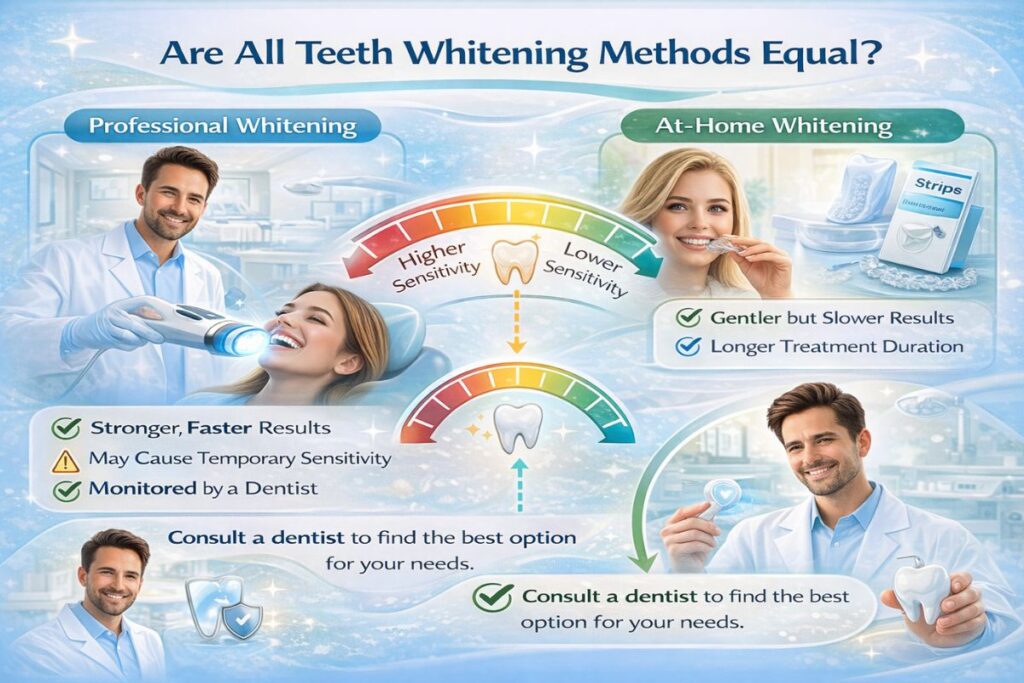
When it comes to whitening, not all methods are created equal, and this can influence the degree of sensitivity you may experience. Professional in-office treatments offer stronger results, but they may also lead to temporary sensitivity due to the high concentration of whitening agents. However, these treatments are carefully monitored by a dentist, which can minimize the risk of overexposure and sensitivity.
In contrast, at-home whitening products like strips or trays typically contain a lower concentration of whitening agents. While these products are gentler, they can require more time to achieve the desired results. The extended use may increase the risk of tooth sensitivity for some individuals, especially if instructions aren’t followed properly.
If you are concerned about sensitivity but still want to brighten your smile, consider consulting with a dentist at Lux Smiles. They can offer professional treatments tailored to your specific needs, and if necessary, they can combine whitening with desensitizing treatments to minimize discomfort.
How to Minimize Sensitivity During Teeth Whitening
If you’re experiencing tooth sensitivity or are concerned about it, there are several steps you can take to minimize the discomfort during the process of teeth whitening in Chicago:
- Use desensitizing toothpaste: Toothpastes designed for sensitive teeth can help fortify your enamel and reduce sensitivity both before and after whitening. Be sure to use a fluoride toothpaste to help strengthen tooth enamel.
- Limit whitening time: Stick to the recommended whitening time, and avoid overusing whitening products. Prolonged exposure to whitening agents can increase the risk of sensitivity.
- Consult with your dentist: If you have a history of sensitive teeth, it’s a good idea to speak with your dentist before starting a whitening regimen. Your dentist at Lux Smiles can help determine the best whitening treatment for your needs and can recommend products that will minimize sensitivity.
- Take breaks between treatments: If you’re using an at-home whitening kit, give your teeth time to recover between sessions. Taking breaks will allow your teeth to return to normal before continuing with another round of whitening.
By following these tips, you can enjoy the benefits of a whiter smile while keeping discomfort to a minimum.
When to Seek Help
While sensitivity is common and usually temporary, there are times when it’s important to seek professional help. If your sensitivity doesn’t subside after a few days or becomes unbearable, it’s essential to consult your dentist. Prolonged or severe pain could be a sign of an underlying issue, such as tooth decay or gum recession, that requires attention.
Additionally, if you have any concerns about your teeth before starting whitening treatment, it’s wise to speak with a dentist at Lux Smiles. They can examine your teeth for any underlying issues and recommend an appropriate treatment plan that takes your sensitivity into account.
Teeth whitening is an effective and popular way to achieve a brighter smile, but it’s essential to be aware of the potential for temporary sensitivity. While the discomfort can be a normal side effect, it usually subsides quickly and can be minimized with the right precautions.
At Lux Smiles, we’re committed to providing personalized treatments that address your unique needs, ensuring you get the results you desire with minimal discomfort. Before starting any whitening treatment, speak with our team to ensure it’s safe and suitable for you.
Are you ready to brighten your smile? Book an appointment today and let us help you achieve the smile of your dreams!
FAQs
How long does teeth whitening sensitivity last?
Sensitivity usually lasts for a few hours to a few days after treatment, depending on the individual and the whitening method used.
Can teeth whitening damage enamel?
No, teeth whitening products are safe when used as directed. However, overuse or incorrect application may cause temporary enamel softening.
Do all teeth whitening methods cause sensitivity?
Not all methods cause sensitivity, but higher-concentration treatments or overuse can increase the risk. Consulting a dentist helps minimize this.
Can I whiten my teeth if I have gum recession?
Gum recession can increase sensitivity, so it’s best to consult a dentist before whitening to ensure the treatment is safe.
What’s the best way to prevent sensitivity after whitening?
Use fluoride toothpaste, take breaks between treatments, and avoid over-whitening. A dentist can also offer desensitizing treatments.