

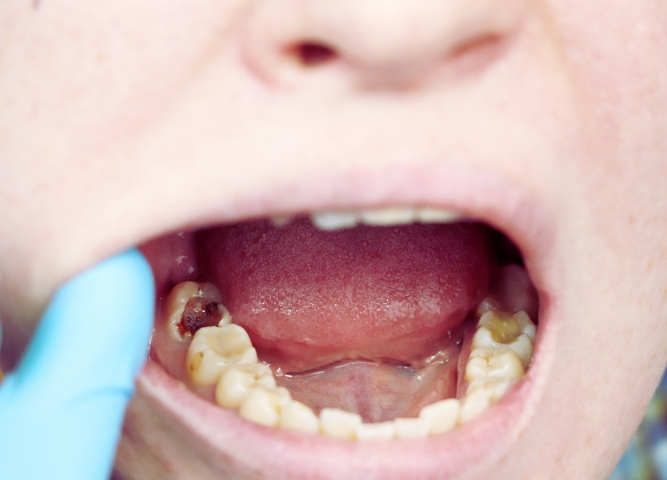
Cavities, or dental caries, are holes in teeth caused by decay. They affect people of all ages and can lead to serious dental issues if untreated. Recognizing the types of cavities and their treatments is essential for maintaining a healthy smile.
Types of Cavities
Cavities come in three primary forms:
- Pit and Fissure Cavities
These develop on the chewing surfaces of the back teeth (molars and premolars). The grooves and crevices in these teeth trap food particles and bacteria, making them prone to decay. - Smooth Surface Cavities
Found on the flat surfaces of teeth, these cavities occur when bacteria dissolve the enamel. They often develop between teeth due to inadequate flossing and brushing. - Root Cavities
As gums recede with age or due to gum disease, the tooth roots become exposed. Lacking protective enamel, these roots are susceptible to decay, leading to root cavities.
Causes of Cavities
Understanding the causes helps in prevention:
- Poor Oral Hygiene
Infrequent brushing and flossing allow plaque buildup, leading to decay. - Sugary and Acidic Diet
Consuming foods high in sugar and acid feeds harmful bacteria, accelerating enamel erosion. - Dry Mouth
Saliva neutralizes acids and washes away food particles. Reduced saliva flow increases cavity risk. - Existing Dental Issues
Worn fillings or dental devices can trap bacteria, promoting decay.
Symptoms to Watch For
Early detection helps you receive effective treatment for tooth cavities. Common signs include:
- Toothache or spontaneous pain
- Sensitivity to hot, cold, or sweet foods
- Visible holes or pits in teeth
- Staining on tooth surfaces
- Pain when biting down
Treatment Options
Treatment varies based on cavity type and severity:
- Fluoride Treatments
In the early stages, fluoride can remineralize enamel and reverse decay. - Fillings
Prosthodontist remove decayed material and fill the cavity with composite resin, amalgam, or other materials. - Crowns
For extensive decay, a custom-fitted cap covers and protects the damaged tooth. - Root Canals
When decay reaches the tooth’s pulp, root canal therapy removes infected tissue and seals the tooth. - Extractions
Severely decayed teeth that can’t be saved require removal to prevent further issues.
Prevention Strategies
Maintaining good oral hygiene is key:
- Brush twice daily with fluoride toothpaste.
- Floss daily to remove food particles between teeth.
- Limit sugary and acidic foods and drinks.
- Visit your Prosthodontist regularly for check-ups and cleanings.
- Consider dental sealants to protect chewing surfaces.
Importance of Regular Dental Visits
Regular check-ups help in early detection and management of cavities. Prosthodontist can provide personalized advice and treatments to maintain oral health. If you’re seeking general dentistry in Chicago, IL, numerous qualified professionals are available to assist you.
Understanding the types of cavities and their treatments empowers you to take control of your dental health. By adopting preventive measures and seeking timely professional care, you can maintain a healthy, cavity-free smile. For more information or to schedule an appointment, contact your local dental clinic today. Reach out to our licensed dental care provider for on-time and comprehensive general dentistry services. We leave no stone unturned to treat your complex oral conditions with care and efficiency.