
If you’ve recently had gum disease treatment, you likely have questions about your recovery. Knowing what to eat and expect after periodontal treatment in Chicago can make a real difference in how comfortably you heal. At Lux Smiles Cosmetic Dentistry and Prosthodontics, Dr. Joshua Prompton guides every patient through a clear aftercare plan. This article covers recovery timelines, smart food choices, pain management, and warning signs to watch for.
What to Expect in the Days After Periodontal Treatment Chicago
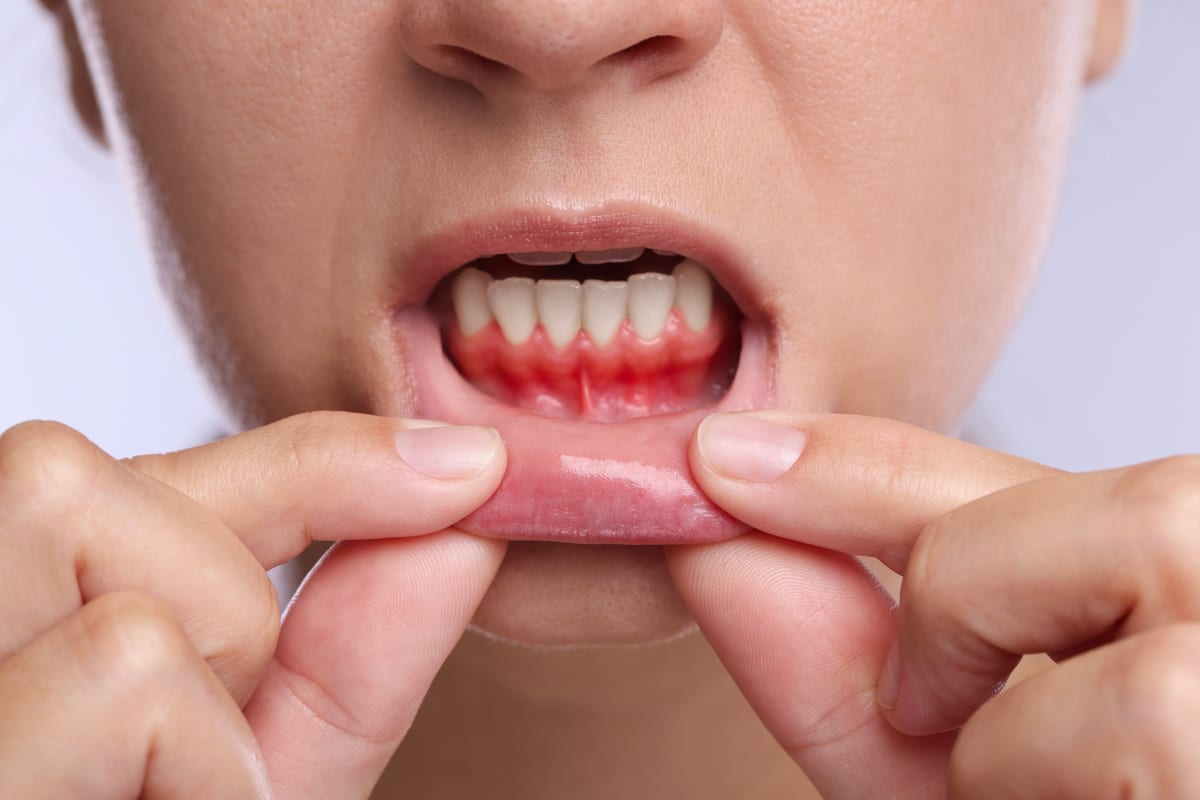
The first 24 to 72 hours are the most sensitive part of your recovery. Your gums may feel sore, swollen, and tender during this window. Some light bleeding is completely normal right after treatment. These symptoms typically ease significantly within three to five days.
After scaling and root planing or surgical periodontal procedures, your mouth needs time to heal. Avoid touching the treated area with your tongue or fingers. Rinsing gently with warm salt water can soothe irritation. Dr. Prompton will provide specific post-visit instructions tailored to your procedure.
Most patients return to their normal routines within a week. More advanced surgical treatments may require a slightly longer adjustment period. You should attend your follow-up appointment as scheduled. This visit lets Dr. Prompton confirm your gums are healing properly.
What to Eat After Periodontal Treatment in Chicago
Your diet plays a major role in how smoothly you recover. Choosing the right foods protects the treated tissue and supports healing. Stick to soft, cool, or room-temperature foods for the first several days. Avoid anything hard, crunchy, spicy, or very hot.
Here are smart food choices during your recovery period:
- Yogurt, pudding, and applesauce
- Mashed potatoes and soft-cooked vegetables
- Scrambled eggs and soft tofu
- Smoothies and protein shakes (no straws — suction can disturb healing tissue)
- Oatmeal and cream of wheat
- Soft fish like tilapia or salmon
- Bananas and ripe avocado
Avoid these foods until your gums have healed fully:
- Chips, crackers, and hard pretzels
- Raw vegetables and tough meats
- Popcorn and seeds (small particles can get trapped under the gum line)
- Spicy or acidic foods that may irritate sensitive tissue
- Alcohol and carbonated beverages
Staying well hydrated is equally important. Water supports tissue repair and helps rinse the mouth gently. Avoid alcohol entirely for at least a week post-treatment. It can thin the blood and slow the healing process.
Managing Discomfort and Pain After Your Procedure
Some degree of discomfort is expected after periodontal care. Dr. Prompton may recommend over-the-counter pain relievers like ibuprofen or acetaminophen. Always follow the dosage instructions on the label. If a prescription was provided, take it exactly as directed.
Applying a cold compress to the outside of your cheek can reduce swelling. Use it in 10-minute intervals during the first 24 hours. After the first day, warm compresses may feel more soothing. Do not apply heat to swollen areas without asking your care team first.
If your dentist prescribed a medicated mouth rinse, use it as instructed. Do not replace it with standard mouthwash, which can be too harsh. Gentle oral hygiene is still important during recovery. Brush carefully around treated areas using a soft-bristled toothbrush.
When to Call Lux Smiles After Periodontal Care
Most patients recover without complications. However, certain signs warrant a prompt call to our office. Knowing what to watch for helps you act quickly if something seems off. Your comfort and safety are always our priority at Lux Smiles.
Contact Dr. Prompton’s office if you experience any of the following:
- Heavy or uncontrolled bleeding that does not stop with gentle pressure
- Severe pain that worsens after the second day instead of improving
- Signs of infection such as fever, pus, or a bad taste that doesn’t go away
- Swelling that spreads beyond the treated area
- Loose sutures if you had a surgical procedure
It’s also worth noting that some tooth sensitivity is common after periodontal treatment. Exposed root surfaces can react to temperature changes during healing. This typically improves over several weeks. A sensitivity toothpaste recommended by Dr. Prompton can help manage this.
How Periodontal Health Connects to Your Broader Dental Care
Recovering from periodontal treatment is just one part of your long-term oral health journey. Gum disease can affect the bone that supports your teeth over time. When bone loss occurs, restorative options may become necessary. Procedures like Dental Implants Chicago or Dental Bridges Chicago can restore function if teeth are lost.
Preventing further gum disease is the best strategy after treatment. Commit to a consistent oral hygiene routine at home every day. Attend regular professional cleanings as recommended by Dr. Prompton. These maintenance visits are essential for keeping your gums healthy long-term.
Good nutrition also supports ongoing gum health beyond the recovery phase. Foods rich in vitamin C, calcium, and antioxidants benefit gum tissue. Reducing sugar intake lowers your risk of bacterial buildup. Small daily habits add up to lasting improvements over time.
If you have questions about your recovery or want to schedule a follow-up, our Chicago team is ready to help. Dr. Prompton and the staff at Lux Smiles Cosmetic Dentistry and Prosthodontics take a patient-centered approach to every stage of care. You should never feel uncertain about what comes next. Book Now to schedule your appointment with our team.
Frequently Asked Questions
How long does it take to recover from periodontal treatment?
Most patients feel significantly better within five to seven days after non-surgical periodontal treatment. Surgical procedures may require one to two weeks for full comfort. Following your aftercare instructions and attending follow-up visits speeds up the healing process.
Can I brush my teeth after periodontal treatment?
Yes, but you should brush very gently around the treated areas. Use a soft-bristled toothbrush and avoid scrubbing aggressively near the gum line. Dr. Prompton will advise you on how to adjust your oral hygiene routine during recovery.
Is it normal to have sensitive teeth after periodontal treatment?
Yes, tooth sensitivity is a common side effect after periodontal care. Treatment exposes root surfaces that were previously covered by inflamed gum tissue. Sensitivity typically decreases over a few weeks and can be managed with a sensitivity toothpaste.
What foods should I completely avoid after gum treatment?
Avoid hard, crunchy, spicy, and very hot or cold foods for at least the first week. Foods like chips, raw vegetables, popcorn, and alcohol can irritate healing gum tissue or introduce bacteria. Stick to soft, mild, and nutritious options until your gums feel fully healed.
When should I schedule my next cleaning after periodontal treatment?
Dr. Prompton typically recommends a periodontal maintenance cleaning every three to four months after treatment. These visits are more frequent than standard cleanings and are essential to prevent gum disease from returning. Your specific schedule will depend on the severity of your original condition.