
If your dentist recently mentioned deep cleaning, you may have felt confused or even worried. Many North Center patients wonder why your dentist might recommend deep cleaning over regular cleanings when routine visits seem to be going fine. The answer comes down to what is happening below your gumline — and why a standard cleaning simply cannot reach it. At Lux Smiles Cosmetic Dentistry and Prosthodontics, Dr. Joshua Prompton helps patients understand exactly what their mouth needs and why.
What Is the Difference Between a Regular Cleaning and a Deep Cleaning?
A regular dental cleaning — also called prophylaxis — removes plaque and tartar from the surfaces of your teeth. It focuses on areas above the gumline. Your hygienist also polishes your enamel and checks for early signs of trouble.
A deep cleaning is a different procedure entirely. Clinically, it is called scaling and root planing. It targets plaque and tartar that have settled below the gumline, along the root surfaces of your teeth.
Here is a quick comparison of the two procedures:
- Regular cleaning: Removes surface-level buildup above the gumline
- Deep cleaning: Removes buildup from below the gumline and smooths root surfaces
- Regular cleaning: Typically completed in one appointment
- Deep cleaning: Often done in two visits, treating one side of the mouth at a time
- Regular cleaning: Recommended every six months for healthy patients
- Deep cleaning: Recommended when gum disease is present or progressing
Both procedures are important. But they serve very different clinical purposes.
Why Deep Cleaning Becomes Necessary in North Center Patients
Gum disease is more common than many people realize. In fact, the CDC reports that nearly half of American adults over 30 have some form of periodontal disease. North Center residents are no exception.
When bacteria accumulate under the gums, they form pockets between the tooth and gum tissue. These pockets deepen over time if left untreated. A regular cleaning cannot reach bacteria living 4 millimeters or more below the gumline.
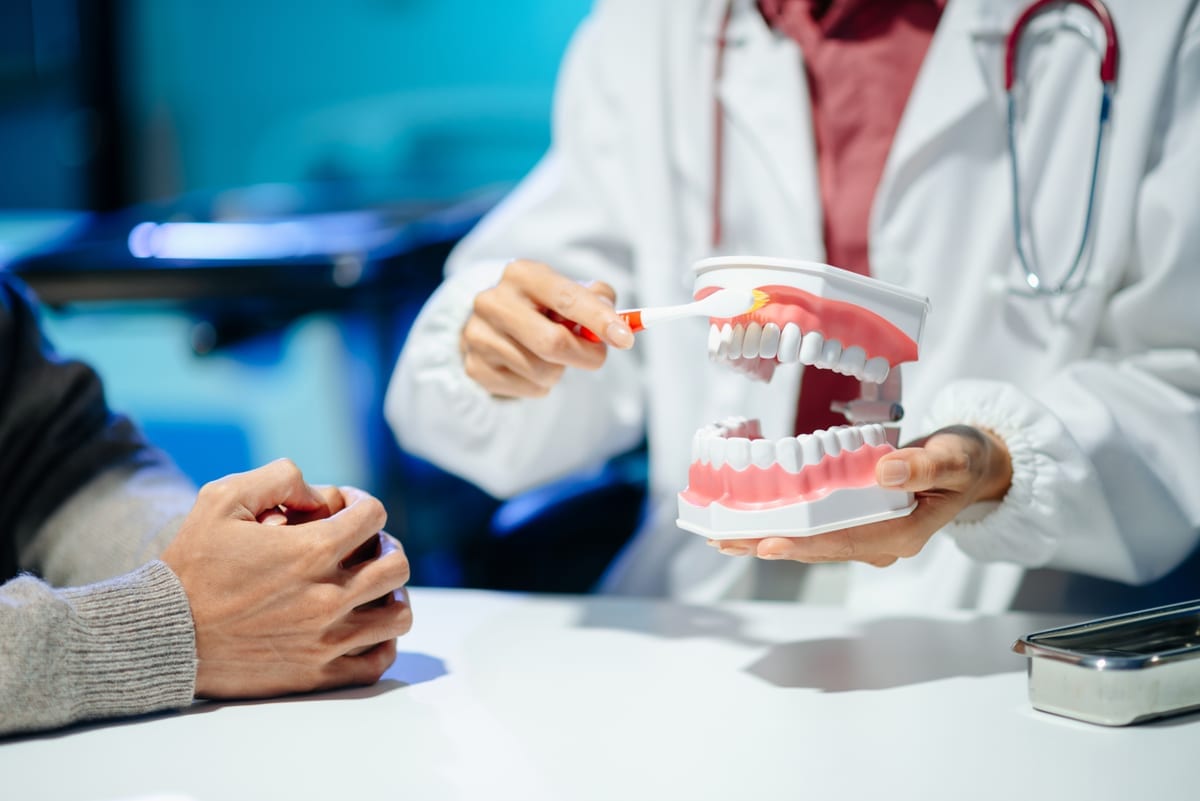
Dr. Prompton uses precise measurements called periodontal probing to assess pocket depth. If readings consistently show depths of 4mm or greater, that signals active gum disease. At that point, scaling and root planing is the appropriate next step — not a standard cleaning.
Left untreated, deep pockets allow bacteria to attack the bone and connective tissue supporting your teeth. This is how tooth loss begins. Early intervention with deep cleaning can stop that progression entirely.
What to Expect During Scaling and Root Planing
Understanding the process helps reduce anxiety. Here is what patients at Lux Smiles typically experience during a deep cleaning appointment:
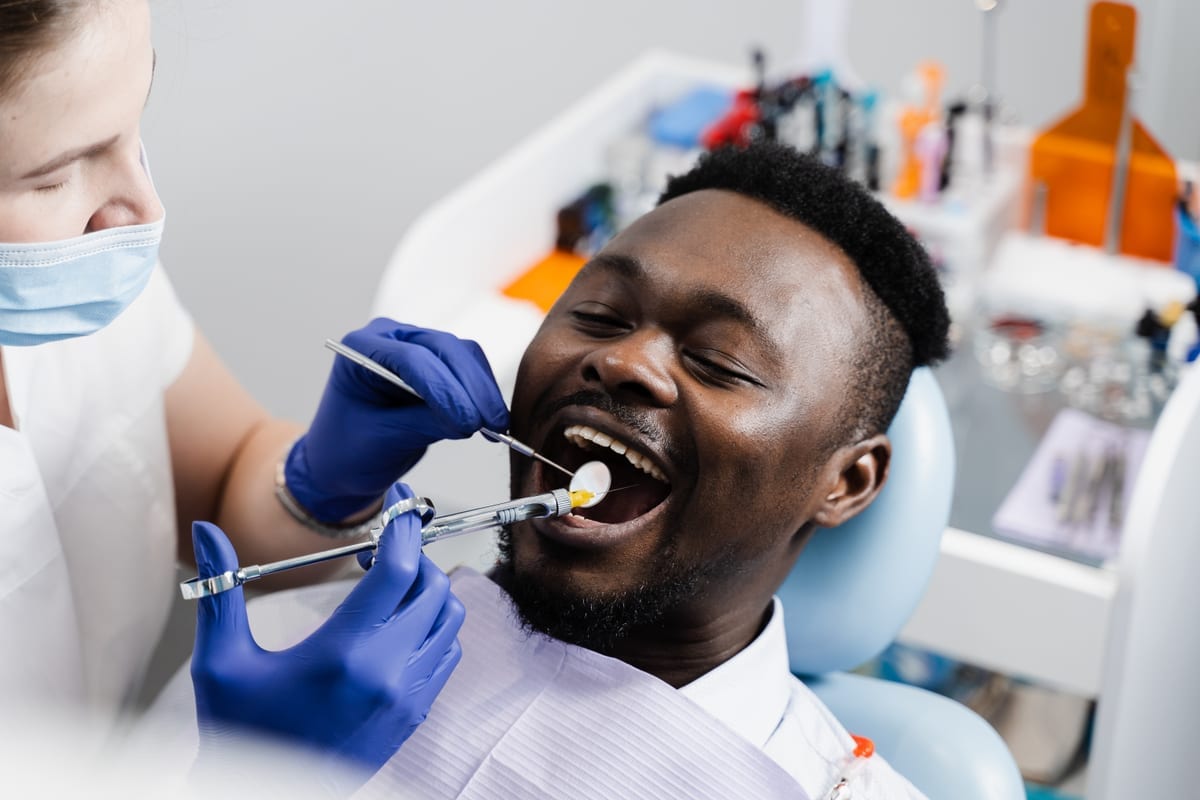
- Numbing: Local anesthetic is applied to keep you comfortable throughout the procedure.
- Scaling: Your hygienist uses specialized instruments to remove tartar and bacteria from below the gumline.
- Root planing: The root surfaces are carefully smoothed. This removes bacterial toxins and discourages future buildup.
- Rinsing: The treated area is thoroughly rinsed to remove debris.
- Follow-up scheduling: A follow-up visit is planned to evaluate healing and measure pocket depths again.
Most patients tolerate the procedure very well. Some mild soreness or sensitivity may follow for a day or two. Over-the-counter pain relievers typically manage any discomfort effectively.
Because the mouth is treated in sections, you will likely return for a second appointment within one to two weeks. This approach allows thorough treatment without overwhelming your recovery.
How This Connects to Your Overall Dental Health
Periodontal care is not an isolated issue. The health of your gums directly affects the rest of your mouth — and your body. Research consistently links untreated gum disease to systemic conditions including heart disease and diabetes.
When Dr. Prompton recommends deep cleaning, he is thinking about your long-term health. Protecting your gums also protects the foundation that supports your existing teeth, as well as any future restorations. For example, Dental Crowns and other restorative treatments perform best in a healthy oral environment.
Patients who have experienced bone loss or tooth loss may later explore options like implants. Reviewing a Dental Implants Pricing Guide is a helpful step for those planning ahead after periodontal treatment.
Consistent periodontal maintenance after deep cleaning also reduces the chance of disease returning. Your dentist will recommend more frequent follow-up cleanings — typically every three to four months — to keep pocket depths stable.
Signs You May Need a Deep Cleaning
Not everyone requires this treatment. But certain signs suggest it is time to ask your dentist about your periodontal health. Watch for these warning indicators:
- Gums that bleed when you brush or floss
- Persistent bad breath that does not resolve with brushing
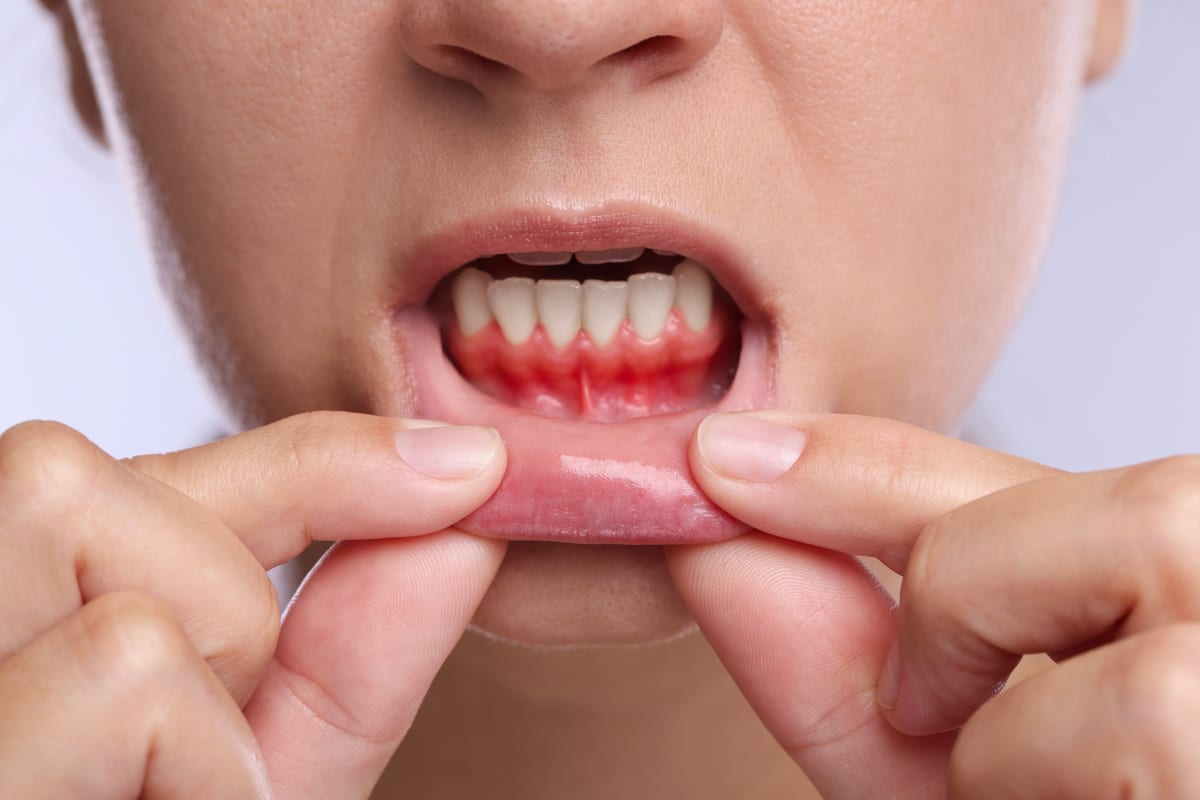
- Gum tissue that appears red, swollen, or puffy
- Gums that have pulled away from your teeth, making teeth look longer
- Tooth sensitivity near the gumline
- Loose or shifting teeth
If you notice any of these symptoms, do not wait for your next scheduled cleaning. Contact Lux Smiles Cosmetic Dentistry and Prosthodontics in North Center to have your gum health evaluated promptly.
Early-stage gum disease — called gingivitis — is reversible with professional cleaning and improved home care. More advanced periodontitis requires deeper intervention. Catching it early always leads to simpler, more effective treatment.
Conclusion: Your Gum Health Deserves Attention
Understanding why your dentist might recommend deep cleaning over regular cleanings in North Center empowers you to make confident decisions about your care. A deep cleaning is not a punishment or a sign of failure. It is a targeted, evidence-based treatment that stops gum disease in its tracks and preserves your smile for years to come.
Dr. Joshua Prompton and the team at Lux Smiles Cosmetic Dentistry and Prosthodontics are here to guide you every step of the way. Your comfort and your long-term oral health are always the priority. Book Now to schedule your appointment with our team.
Frequently Asked Questions
Is deep cleaning painful?
Most patients do not find the procedure painful. Local anesthetic is used to numb the treated area throughout the appointment. Some mild soreness or sensitivity may occur for a day or two afterward, but this typically resolves quickly with over-the-counter pain relief.
How do I know if I need a deep cleaning or a regular cleaning?
Your dentist determines this through periodontal probing. If pocket depths measure 4mm or more in multiple areas, deep cleaning is likely recommended. Signs like bleeding gums, persistent bad breath, or visible gum recession also suggest a deeper evaluation is needed.
How long does a deep cleaning take?
A deep cleaning is usually completed over two appointments. Each visit treats one side of the mouth and takes roughly 60 to 90 minutes. Treating the mouth in sections allows for thorough care and a more manageable recovery experience.
Will I need deep cleanings forever after my first one?
Not necessarily. Many patients stabilize their gum health after deep cleaning with consistent follow-up care. Your dentist will monitor your pocket depths at each visit and adjust your cleaning schedule based on how well your gums are healing.
Can gum disease come back after a deep cleaning?
Yes, it can return if home care habits do not improve or if follow-up appointments are skipped. Regular periodontal maintenance visits — typically every three to four months — combined with proper brushing and flossing significantly reduce the risk of recurrence.