

A broken tooth can happen at the worst possible moment — biting into something hard, taking a fall, or even waking up to a crack you never saw coming. If you’re dealing with this right now in Chicago, stay calm. This broken tooth survival guide covers what to do right now so you protect your smile before you can get to the dentist. Dr. Joshua Prompton and the team at Lux Smiles Cosmetic Dentistry and Prosthodontics are here to walk you through every step.
Step One: Assess the Damage Right Away
Not all broken teeth are the same. A small chip on the edge of a tooth is very different from a deep crack or a tooth that has broken in half. Start by gently rinsing your mouth with warm water. This helps remove debris and gives you a clearer look at what you’re dealing with.
Look in a mirror and check for these signs:
- A visible crack, chip, or missing piece of tooth
- Sharp edges that are cutting your tongue or cheek
- Pain when biting down or applying pressure
- Sensitivity to cold, heat, or sweet foods
- Bleeding from the gum around the tooth
If you notice bleeding that won’t stop, severe pain, or a tooth that feels loose, treat this as a dental emergency. Contact Lux Smiles right away for same-day emergency care in Chicago.
What to Do Before You Reach the Dentist — Your Chicago Broken Tooth Guide
Once you’ve assessed the situation, your next job is to manage discomfort and protect the area. These simple steps can make a real difference in the hours before your appointment.
Follow these first-aid steps at home:
- Rinse gently with warm saltwater to keep the area clean.
- Apply pressure with clean gauze if there is any bleeding.
- Use over-the-counter pain relief like ibuprofen to reduce swelling and discomfort.
- Cover sharp edges with dental wax or sugar-free gum to protect your soft tissues.
- Save any broken pieces and bring them to your appointment in a small container of milk or saliva.
- Avoid chewing on the affected side entirely until you are seen.
These steps are about protection — not treatment. They buy you time, but they are not a fix. Only a dentist can properly restore a broken tooth.
What You Should Absolutely Avoid After Breaking a Tooth
Good intentions can sometimes make things worse. Certain habits people reach for out of instinct can actually increase the risk of infection, worsen the crack, or cause more pain. Knowing what to avoid is just as important as knowing what to do.
Do not do any of the following:
- Do not use aspirin directly on the tooth or gum — it can cause chemical burns
- Do not eat hard, crunchy, or sticky foods on that side
- Do not drink very hot or very cold beverages, which can trigger intense sensitivity
- Do not attempt to file down a sharp edge yourself
- Do not ignore it — even a small crack can deepen and reach the nerve
A crack that seems minor today can turn into a root canal situation tomorrow. Acting quickly protects both your comfort and your long-term oral health.
What Treatment Options Can Dr. Prompton Offer for a Broken Tooth in Chicago?
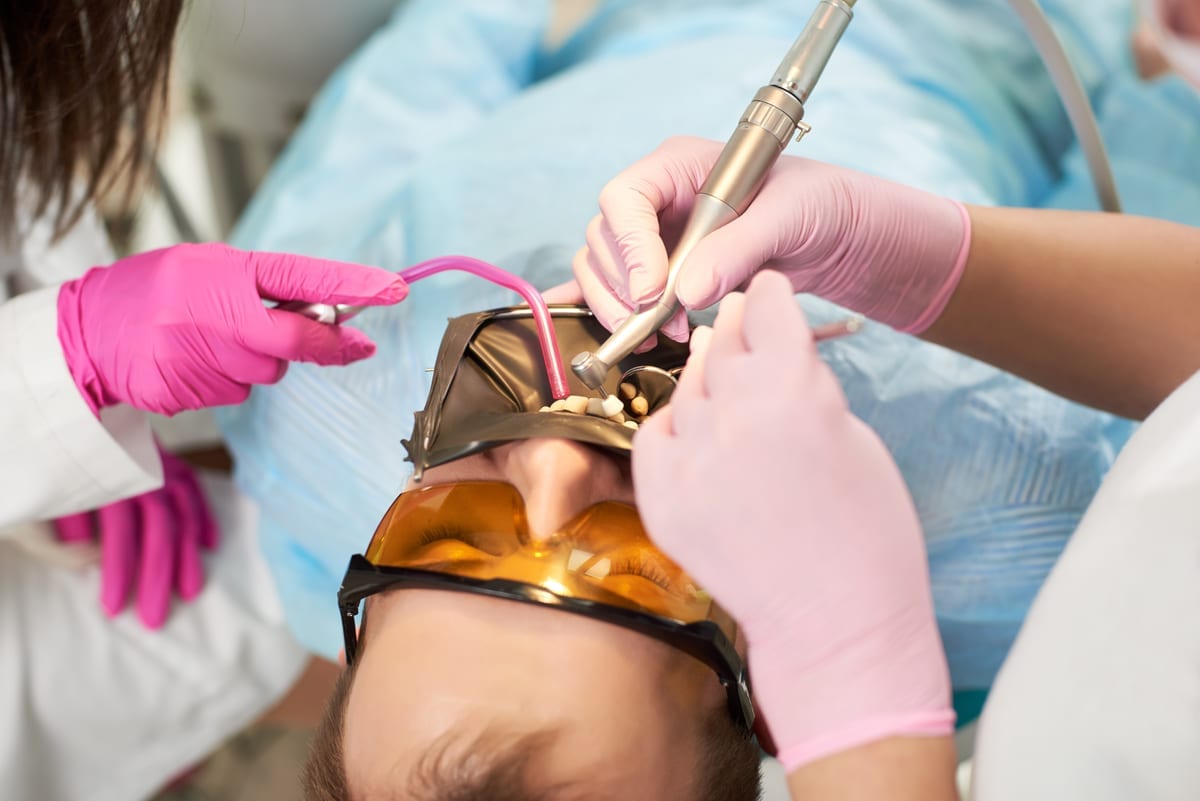
The right treatment depends on how severe the break is. During your exam, Dr. Prompton will take X-rays and evaluate the tooth carefully before recommending a path forward. The goal is always to save the natural tooth when possible.
Here is a general overview of what different breaks may require:
Minor chips and cracks can often be smoothed or repaired with dental bonding or a tooth-colored filling. This is a quick and straightforward solution for surface-level damage.
Moderate breaks that affect a larger portion of the tooth typically call for a dental crown. A crown fits over the damaged tooth, restoring its shape, strength, and appearance completely.
Breaks that reach the nerve may require root canal treatment before the tooth can be crowned. This removes the damaged nerve tissue and relieves pain before the final restoration goes on.
Severely broken or non-restorable teeth may need extraction. In those cases, replacement options such as Dental Implants Chicago or Dental Bridges Chicago can restore both function and appearance beautifully. Dr. Prompton will explain every option clearly so you can make a confident, informed decision.
When Is a Broken Tooth a True Dental Emergency?
Some broken teeth need attention within hours — not days. Delaying care in certain situations can lead to serious complications, including infection that spreads beyond the tooth.
Seek emergency dental care immediately if you experience any of the following:
- Uncontrollable bleeding from the gum or socket
- Severe, throbbing pain that does not respond to over-the-counter medication
- Swelling in the jaw, face, or neck
- A tooth that has been completely knocked out
- Signs of infection such as fever, bad taste, or pus near the tooth
Lux Smiles offers emergency dentistry for Chicago patients facing these urgent situations. Dr. Prompton and the team prioritize getting you out of pain and back to health as quickly as possible. Do not wait and hope the problem resolves on its own.
How to Prevent a Future Broken Tooth
Once your broken tooth is treated, a few simple habits can reduce your risk of going through this again. Prevention is always easier than emergency repair.
Wear a custom mouthguard if you play contact sports — this single step prevents the majority of sports-related dental injuries. Ask Dr. Prompton about a professionally fitted guard for the best protection. Avoid chewing on ice, hard candies, or non-food objects like pens and fingernails. These habits put repeated stress on teeth and cause fractures over time.
Schedule regular teeth cleanings and checkups at Lux Smiles. Routine visits allow Dr. Prompton to catch developing cracks, worn enamel, or weak restorations before they become emergencies.
Conclusion: You Don’t Have to Face a Broken Tooth Alone in Chicago
A broken tooth is stressful, but you are not without options. Following this broken tooth survival guide gives you the tools to manage the situation calmly and protect your smile until you are seen. The team at Lux Smiles Cosmetic Dentistry and Prosthodontics in Chicago is ready to help you every step of the way — from emergency relief to full smile restoration. Book Now to schedule your appointment with our team.
Frequently Asked Questions
Can a broken tooth heal on its own?
No. Unlike a bone, a tooth cannot heal itself. Once enamel or tooth structure is broken, only a dentist can repair it. Ignoring a broken tooth allows bacteria to enter, which can lead to infection, nerve damage, and tooth loss over time.
Is a broken tooth always painful?
Not always. Some cracks and chips cause no immediate pain, especially if the nerve is not exposed. However, painless does not mean harmless. A crack can still deepen and cause serious problems later, so it is always worth getting checked promptly.
What if I can’t get to the dentist until the next day?
Use the first-aid steps in this guide — rinse with warm saltwater, cover any sharp edges with dental wax, take over-the-counter pain relief, and avoid chewing on that side. These measures protect the tooth and manage discomfort until your appointment.
Will I need a root canal for a broken tooth?
Not necessarily. Root canal treatment is only needed when a crack or break has reached or damaged the inner nerve of the tooth. Many breaks are treated with a crown or bonding alone. Dr. Prompton will evaluate the tooth and explain exactly what is needed after a thorough examination.
How long does it take to fix a broken tooth?
It depends on the type of break and the treatment required. A simple chip repair with bonding can be done in a single visit. A dental crown typically takes two appointments. Root canal treatment adds additional time. Dr. Prompton will give you a clear timeline during your consultation.