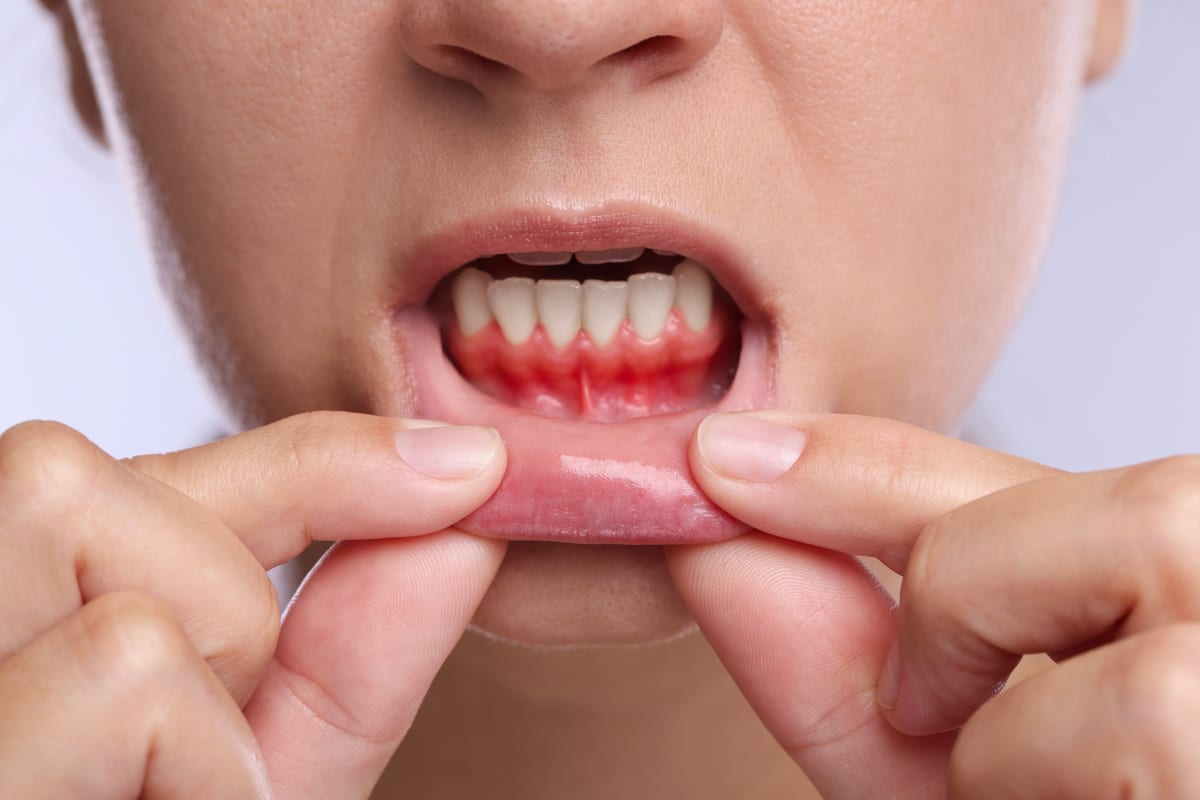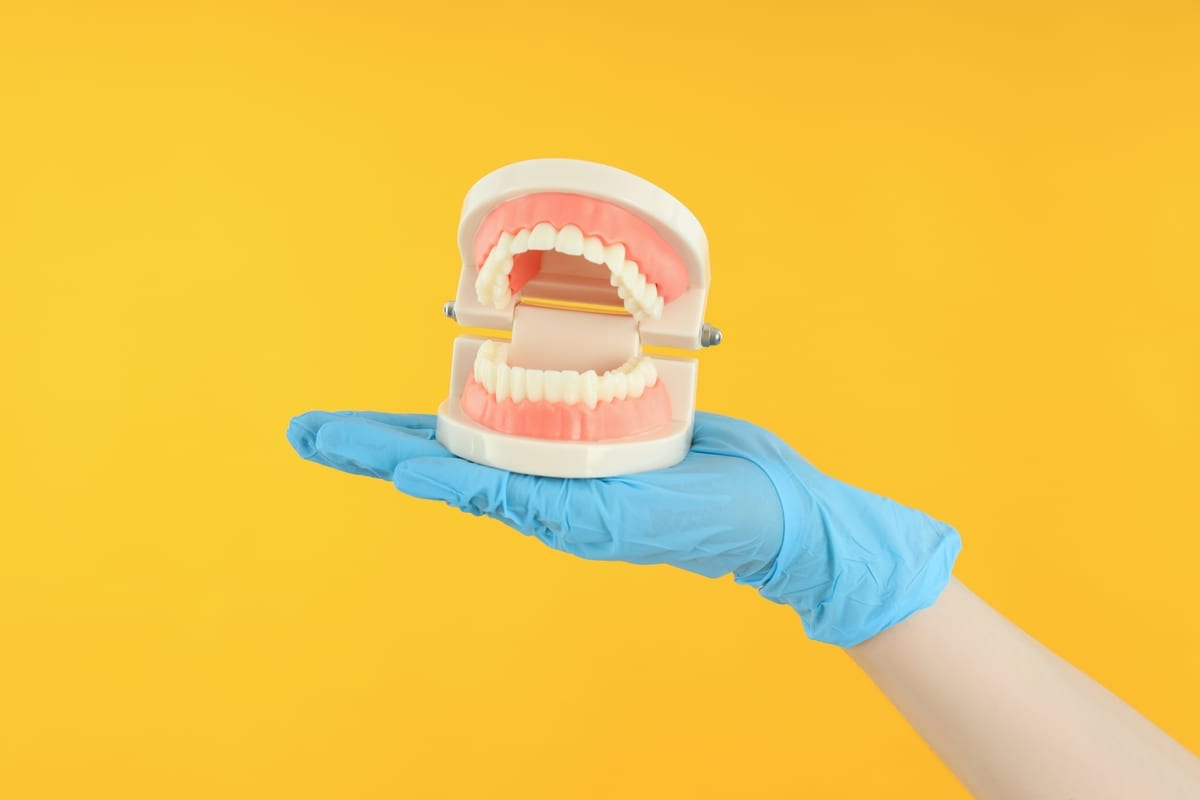


If you are missing one or more teeth, a dental bridge can restore your smile and your confidence. Understanding what happens during your dental bridge procedure step by step in Chicago helps you feel prepared and at ease. At Lux Smiles Cosmetic Dentistry and Prosthodontics, Dr. Joshua Prompton guides every patient through each stage with clear communication and gentle care. Knowing what to expect makes the entire experience far less intimidating.
What Is a Dental Bridge and Who Needs One in Chicago?
A dental bridge is a fixed restoration that fills the gap left by a missing tooth. It uses the teeth on either side of the gap — called abutment teeth — as anchors. A prosthetic tooth, called a pontic, sits in the middle and restores your bite and appearance.
Patients in Chicago who are good candidates for a bridge typically meet these criteria:
- They are missing one or a few consecutive teeth
- The surrounding abutment teeth are healthy and strong
- Their gum health is stable and well-maintained
- They want a fixed, non-removable tooth replacement option
Some patients may also explore Dental Implants Chicago as an alternative. Dr. Prompton will evaluate your specific situation and recommend the best path forward for your long-term oral health.
Step-By-Step: What Happens During Your Dental Bridge Procedure
The dental bridge process typically unfolds across two or three appointments. Each visit has a clear purpose, and our team takes every step to keep you comfortable throughout. Here is exactly what you can expect.
Step 1: Consultation and Treatment Planning
Your first visit begins with a thorough examination. Dr. Prompton reviews your dental and medical history, takes digital X-rays, and assesses the health of your surrounding teeth and gums. This planning stage is essential for designing a bridge that fits your bite correctly.
You will discuss material options, timelines, and what each appointment involves. No procedure begins until you fully understand the plan and feel confident moving forward.
Step 2: Preparing the Abutment Teeth
During the second appointment, Dr. Prompton prepares the abutment teeth. This involves reshaping them so they can properly support the Dental Crowns Chicago that anchor your bridge in place. A small amount of enamel is gently removed from each abutment tooth.
Local anesthesia is used throughout this stage. Most patients feel little to no discomfort. You may feel some pressure, but the anesthetic ensures you stay pain-free during the entire preparation.
Step 3: Taking Impressions
Once the abutment teeth are shaped, precise impressions of your mouth are taken. These impressions travel to a dental laboratory, where skilled technicians craft your custom bridge. Digital scanning technology may also be used for greater accuracy.
Before you leave this appointment, Dr. Prompton places a temporary bridge. This temporary restoration protects your prepared teeth and lets you eat and speak normally while your permanent bridge is being made.
Step 4: Fitting and Placing the Permanent Bridge
When your permanent bridge arrives from the lab, you return for the placement appointment. Dr. Prompton carefully checks the fit, color, and bite alignment before cementing anything in place. Small adjustments are made until everything feels natural.
Once the fit is confirmed, the bridge is permanently cemented onto your abutment teeth. The procedure typically takes about an hour. Most patients leave the office with a complete, beautiful smile the same day.
How Our Chicago Team Keeps You Comfortable Every Step of the Way
Patient comfort is a priority at every stage of treatment at Lux Smiles. Dr. Prompton and the team understand that dental procedures can feel daunting. That is why they explain every step before it happens and check in with you regularly throughout your visit.
Here are the comfort measures our team uses during the dental bridge procedure:
- Local anesthesia to eliminate pain during tooth preparation
- Gentle techniques and a calm, reassuring chairside manner
- Breaks whenever you need them during longer appointments
- Clear explanations so you always know what is happening next
- Post-procedure care instructions to minimize any mild soreness afterward
After placement, mild sensitivity near the abutment teeth is normal for a few days. Over-the-counter pain relief is usually all that is needed. Most patients return to their regular routines the same day as their appointment.
Caring for Your Dental Bridge After the Procedure in Chicago
A well-maintained dental bridge can last ten to fifteen years or even longer. Proper home care is the most important factor in your bridge’s longevity. Dr. Prompton will walk you through a customized care routine before you leave our office.
Key habits that protect your bridge include brushing twice daily with a soft-bristled toothbrush, flossing carefully around the bridge using floss threaders or a water flosser, and attending your regular periodontal care and cleaning appointments. Avoiding very hard or sticky foods also helps protect the restoration. Routine check-ups at Lux Smiles allow Dr. Prompton to monitor the bridge, the surrounding gum tissue, and the health of your remaining teeth over time.
Frequently Asked Questions
How long does the dental bridge procedure take from start to finish?
Most patients complete the dental bridge process in two to three appointments over two to four weeks. The first visit involves consultation and planning. The second prepares your teeth and takes impressions. The third places the permanent bridge. Each appointment typically lasts between one and two hours.
Is getting a dental bridge painful?
The procedure itself is not painful because local anesthesia is used throughout tooth preparation. You may feel mild pressure, but you should not feel sharp pain. Some sensitivity around the treated area is normal for a few days after placement and usually resolves quickly on its own.
How is a dental bridge different from a dental implant?
A dental bridge uses the natural teeth on either side of the gap as anchors. A dental implant involves placing a titanium post directly into the jawbone. Both options replace missing teeth effectively. Dr. Prompton will help you determine which solution best fits your dental health, bone structure, and long-term goals.
How do I clean under a dental bridge?
Cleaning under the pontic — the artificial tooth in the middle — requires a floss threader, superfloss, or a water flosser. These tools let you clean beneath the bridge where a regular toothbrush and floss cannot reach. Dr. Prompton’s team will demonstrate the right technique during your post-placement visit.
How long will my dental bridge last?
With proper care, a dental bridge can last ten to fifteen years or more. Regular professional cleanings, good home hygiene, and routine check-ups play the biggest role in how long your bridge remains in excellent condition. Dr. Prompton monitors your bridge at every visit to catch any issues early.
At Lux Smiles Cosmetic Dentistry and Prosthodontics, Dr. Joshua Prompton and the team are proud to help Chicago patients restore their smiles with precision and compassion. If you are considering a dental bridge, you deserve clear answers and expert care every step of the way. Book Now to schedule your appointment with our team.