
If you wear dentures, the way you care for them every single day matters more than you might think. Many Chicago patients unknowingly make small mistakes that shorten denture lifespan and cause bigger oral health problems. Stop making these 5 denture care mistakes today in Chicago and protect your investment for years to come. Dr. Joshua Prompton at Lux Smiles Cosmetic Dentistry and Prosthodontics sees these errors regularly — and they are all preventable.
Why Your Daily Denture Care Routine Matters in Chicago
Dentures are a significant investment in your quality of life. They restore your ability to eat, speak, and smile with confidence. But like natural teeth, they require consistent and proper daily care. Without the right routine, bacteria build up quickly and cause damage you cannot reverse.
Chicago’s water is fluoridated, which is great for natural teeth. However, certain minerals in tap water can leave deposits on denture surfaces over time. This is one reason a proper cleaning and soaking routine is so important for local patients.
Proper denture care also protects your gum tissue and jaw health. Ill-fitting or bacteria-coated dentures can cause sore spots, infections, and even bone loss. Understanding the right habits now saves you from costly and uncomfortable problems later.
Mistake 1 — Using Regular Toothpaste to Clean Your Dentures
This is one of the most common errors Dr. Prompton encounters. Regular toothpaste feels like the obvious choice, but it is actually too abrasive for denture materials. It creates microscopic scratches on the surface where bacteria and stains collect.
Instead, use a soft-bristled brush designed specifically for dentures. Pair it with a mild dish soap or a denture-specific cleaner. Rinse your dentures thoroughly after every cleaning to remove any residue.
Here is what you should use versus what you should avoid:
- Use: Soft denture brush, mild dish soap, denture cleaning tablets
- Use: Warm — never hot — water for rinsing
- Avoid: Regular fluoride toothpaste
- Avoid: Stiff-bristled toothbrushes
- Avoid: Bleach-based products on colored or metal denture parts
Mistake 2 — Skipping the Overnight Soak
Dentures need moisture to keep their shape. Leaving them dry overnight causes the material to warp. A warped denture no longer fits correctly, which leads to sore gums, difficulty chewing, and slippage when speaking.
Soak your dentures overnight in a denture-soaking solution or plain cool water. If your dentures have metal clasps, check with your provider first. Some soaking solutions can tarnish metal components.
Never soak dentures in hot water. Heat distorts the shape of the denture base. Once warped, the fit cannot be restored at home — you will need a professional adjustment or replacement.
Mistake 3 — Mishandling Dentures and Causing Damage
Dentures are surprisingly fragile outside of your mouth. A single drop onto a hard bathroom floor can crack or break them completely. This is an emergency that many Chicago patients face — and it is entirely avoidable.
Always handle your dentures over a folded towel or a sink filled with water. This creates a soft landing if they slip from your hands. Treat them with the same care you would give a pair of reading glasses.
Here are the key safe-handling habits to build into your routine:
- Always handle dentures with two hands when removing or inserting them.
- Place a soft towel on the counter before setting them down.
- Never bend or flex the denture base to force a fit.
- Store dentures in a labeled case when not in use to prevent loss or damage.
If your denture does break, do not try to repair it with household glue. Store-bought adhesives can damage the material further. Contact Lux Smiles promptly for a professional repair or assessment.
Mistake 4 — Ignoring Gum and Mouth Health
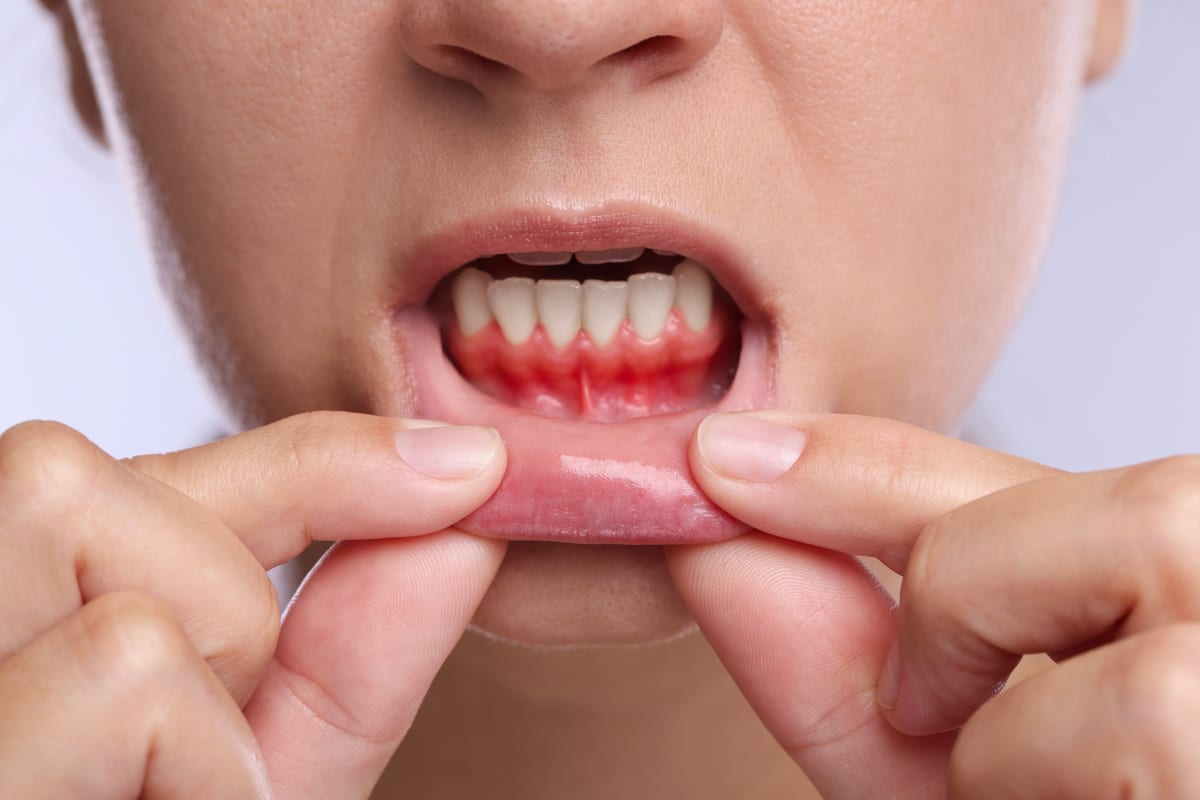
Dentures replace your teeth, but they do not replace the need for oral hygiene. Your gums, tongue, and the roof of your mouth still collect bacteria, food debris, and plaque every day. Ignoring these areas leads to infection and accelerates bone loss under the denture.
Every morning before inserting your dentures, brush your gums gently with a soft-bristled brush. Use a damp cloth or gauze if brushing feels uncomfortable. This stimulates circulation and removes bacteria that build up overnight.
Gum health also directly affects how well your dentures fit. If bone loss progresses beneath your denture, the fit will loosen over time. Some patients in this situation explore options like Dental Implants Chicago for a more permanent and stable solution. Others consider Dental Bridges Chicago as an alternative depending on their specific needs. Dr. Prompton can guide you toward the best path based on your oral health profile.
Mistake 5 — Skipping Regular Dental Check-Ups
Many denture wearers assume they no longer need to visit the dentist regularly. This is a costly misconception. Even without natural teeth, your oral health requires professional monitoring. Your gums and jaw change over time, and your denture fit must keep pace with those changes.
Dr. Prompton recommends that denture patients visit Lux Smiles at least once a year for a comprehensive check-up. These visits include an oral cancer screening, gum tissue assessment, and an evaluation of denture fit and condition. Catching small problems early prevents major complications later.
If your dentures feel loose, cause sore spots, or make clicking sounds when you speak or eat, do not wait for your scheduled appointment. These are signs that your dentures need adjustment. Continuing to wear ill-fitting dentures accelerates bone loss and causes unnecessary discomfort.
Building the Right Daily Denture Care Routine
The right daily routine protects your dentures and your overall oral health. Follow these steps every single day to maximize the lifespan of your dentures and keep your mouth healthy.
- Remove and rinse dentures after every meal to clear food particles.
- Brush dentures once daily with a soft denture brush and mild soap.
- Brush your gums, tongue, and palate every morning before inserting dentures.
- Soak dentures in cool water or a denture solution every night.
- Handle dentures over a soft surface to prevent accidental drops.
- Visit your dental provider at least once a year for a professional check-up.
Building these habits into your daily life takes only a few extra minutes. The payoff is dentures that last longer, fit better, and support a healthier mouth overall. Consistency is the key factor — skipping even one step regularly leads to cumulative damage over time.
Conclusion — Protect Your Dentures and Your Health with Lux Smiles
Denture care is not complicated, but it does require daily attention and the right techniques. Stop making these 5 denture care mistakes today in Chicago and take control of your oral health starting now. Dr. Joshua Prompton and the team at Lux Smiles Cosmetic Dentistry and Prosthodontics are here to support every step of your denture journey. Book Now to schedule your appointment with our team.
Frequently Asked Questions
How often should I clean my dentures?
You should rinse your dentures after every meal and brush them thoroughly at least once a day. Daily cleaning prevents plaque buildup, staining, and bacterial growth that can harm your gum tissue.
Can I sleep in my dentures?
Most dental providers, including Dr. Prompton, recommend removing dentures at night. Overnight removal gives your gum tissue time to rest and recover. It also allows you to soak your dentures properly, which helps maintain their shape and cleanliness.
What happens if my dentures stop fitting correctly?
Loose or uncomfortable dentures usually mean your gum tissue or jaw bone has changed shape. You should schedule an appointment as soon as possible. Dr. Prompton can assess whether a reline, adjustment, or replacement is the right solution for your situation.
Is it safe to use whitening toothpaste on dentures?
No. Whitening toothpastes contain abrasive particles that scratch denture surfaces. These scratches trap bacteria and stains, making the problem worse over time. Use only products specifically designed for denture cleaning.
How long should my dentures last with proper care?
With proper daily care and regular professional check-ups, dentures typically last between five and ten years. The exact lifespan depends on the material, how well you maintain them, and how much your jaw structure changes over time.