
Completing a full-mouth restoration is a major milestone. If you are a Chicago patient wondering what to expect after full-mouth restoration, your recovery roadmap starts right here. Dr. Joshua Prompton and the team at Lux Smiles Cosmetic Dentistry and Prosthodontics want you to feel confident every step of the way. Understanding recovery timelines, diet changes, and pain management makes healing far less stressful.
Full-mouth restoration often combines several procedures. These may include Dental Bridges Chicago patients rely on, crowns, dentures, or other restorative work. Because multiple treatments may overlap, your recovery experience is unique to you. This guide will walk you through the most important stages.
Your Full-Mouth Restoration Recovery Timeline in Chicago
Recovery after full-mouth restoration does not happen overnight. Most patients move through several distinct phases over weeks to months. Knowing what to expect at each stage helps you plan your daily life accordingly.
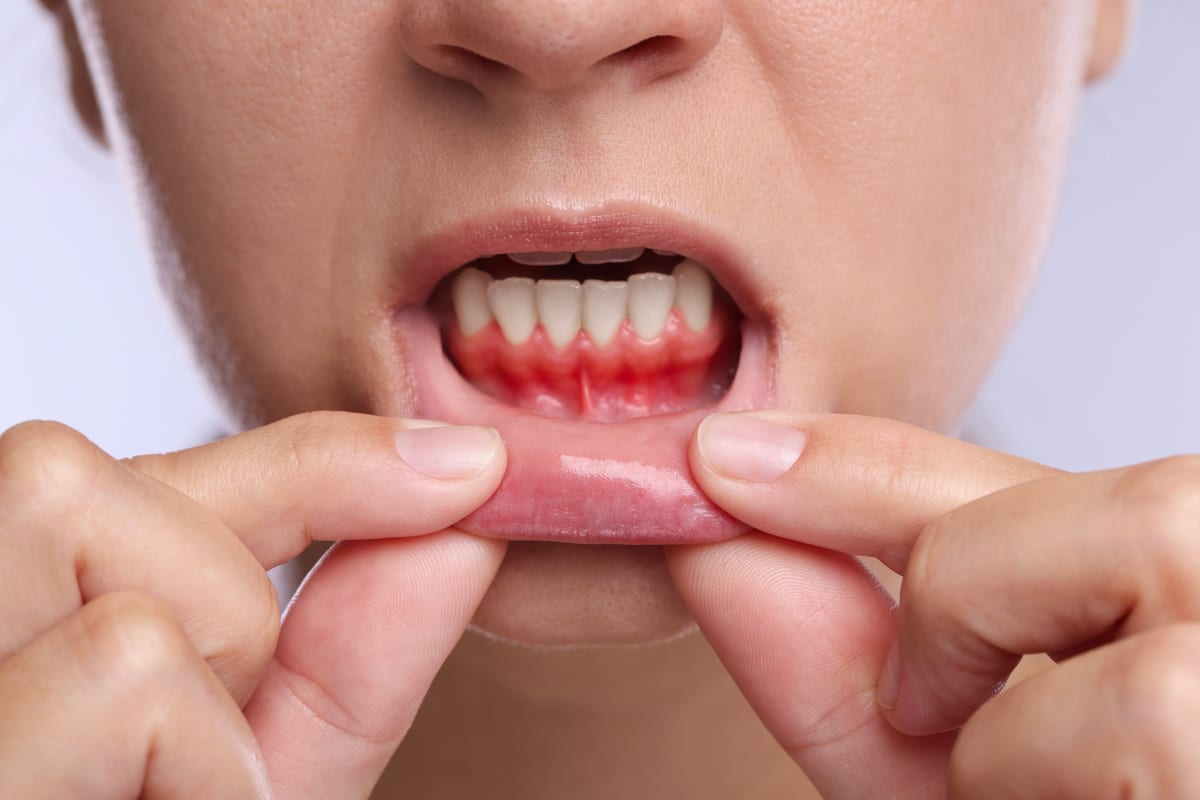
During the first 48 to 72 hours, swelling and tenderness are completely normal. Your mouth is adjusting to new restorations and any tissue work performed. Rest as much as possible during this early window. Avoid strenuous activity that raises your blood pressure.
By the end of the first week, most acute discomfort settles significantly. Soft-tissue healing is well underway, and restorations begin to feel more natural. Full bite adjustment and bone integration — especially relevant if your plan included Dental Implants Chicago — can take three to six months. Patience during this period protects your long-term results.
What to Eat After Full-Mouth Restoration: A Practical Diet Guide
Your diet plays a huge role in smooth healing. Making smart food choices protects your new restorations and reduces irritation to healing tissue.
During the first week, stick to soft foods exclusively. Good options include yogurt, mashed potatoes, scrambled eggs, smoothies, and soft fish. Avoid anything crunchy, sticky, or chewy. Hard foods can dislodge temporary restorations or stress healing gum tissue.
Here are the key dietary rules to follow during early recovery:
- Eat lukewarm foods — avoid very hot or very cold temperatures
- Cut food into small pieces to reduce chewing effort
- Avoid hard foods like nuts, raw carrots, and crusty bread
- Skip sticky foods such as caramel, gum, and chewy candy
- Stay hydrated with water throughout the day
- Avoid carbonated or acidic drinks that irritate soft tissue
By weeks two through four, most patients gradually reintroduce firmer foods. Always follow Dr. Prompton’s specific guidance, as your plan may differ from general timelines. Never rush your diet back to normal before your mouth is ready.
Managing Discomfort and Pain After Your Procedure
Some degree of discomfort is expected after full-mouth restoration. The good news is that most patients manage it successfully with straightforward strategies. Knowing how to handle it keeps you comfortable and confident during recovery.
Over-the-counter anti-inflammatory medications like ibuprofen are often recommended for the first few days. Take them as directed on the label or as instructed by Dr. Prompton. Never exceed the recommended dose. Cold packs applied to the outside of your jaw can also reduce swelling in the first 24 hours.
Here are additional pain management tips our Chicago patients find helpful:
- Rinse gently with warm salt water starting 24 hours after treatment
- Sleep with your head slightly elevated to reduce overnight swelling
- Avoid smoking or vaping, which delays tissue healing significantly
- Use a soft-bristled toothbrush around sensitive areas
- Take prescribed medications exactly as directed if provided
Bite sensitivity is also common as your mouth adapts to new restorations. This typically improves within a few weeks. Contact Lux Smiles if sensitivity feels severe or worsens rather than improving.
When to Call Your Dentist: Warning Signs Not to Ignore
Most recovery milestones are predictable and manageable at home. However, certain symptoms require prompt attention from Dr. Prompton and our team. Recognizing these warning signs early prevents complications from escalating.
Call Lux Smiles right away if you experience any of the following. Severe or worsening pain beyond the first few days is not typical. A restoration that feels significantly loose, cracked, or displaced also warrants an immediate call. Fever, unusual swelling, or discharge from a treatment site can indicate infection.
Bite problems that persist past the two-week mark should be evaluated. An uneven bite causes long-term wear on your restorations and jaw joints. A simple adjustment appointment can correct this quickly. Never ignore bite issues, as they can compromise your entire restoration.
Our Chicago team is here for you throughout recovery. Whether your concern is minor or urgent, reaching out early is always the right move. We would rather check a symptom and find nothing than have you wait too long.
Long-Term Care: Protecting Your Investment After Restoration
Full-mouth restoration is a significant investment in your oral health and confidence. Protecting that investment requires consistent daily habits and regular professional care. The good news is that maintenance is straightforward when you stay consistent.
Brush twice daily with a soft-bristled toothbrush and fluoride toothpaste. Floss carefully around all restorations every day. If flossing around bridges or implants feels challenging, ask our team about floss threaders or water flossers. These tools make thorough cleaning much easier.
Schedule professional cleanings and checkups as recommended by Dr. Prompton. Most restoration patients benefit from more frequent visits in the first year. Regular monitoring allows the team to catch any issues before they become costly problems. Staying on schedule is one of the smartest things you can do for your long-term oral health.
Conclusion: Start Your Recovery With Confidence in Chicago
Understanding what to expect after full-mouth restoration puts you firmly in control of your recovery. With the right diet, pain management strategies, and clear awareness of warning signs, most Chicago patients heal smoothly and enjoy outstanding long-term results. Dr. Joshua Prompton and the entire Lux Smiles team are committed to supporting you every step of the way. Book Now to schedule your appointment with our team.
Frequently Asked Questions
How long does full recovery from full-mouth restoration take?
Recovery varies depending on the procedures involved. Most patients feel significantly better within two to four weeks. Complete healing, especially for restorations involving bone integration, can take three to six months. Dr. Prompton will give you a personalized timeline based on your specific treatment plan.
Is pain after full-mouth restoration normal?
Yes, some tenderness and discomfort in the first few days is completely expected. Over-the-counter anti-inflammatory medications and cold packs help most patients manage early discomfort effectively. Pain that worsens after the first few days rather than improving should be reported to our team promptly.
What foods should I avoid during recovery?
Avoid hard, crunchy, sticky, or chewy foods during early recovery. Examples include nuts, raw vegetables, hard bread, caramel, and chewing gum. Very hot or very cold foods can also cause sensitivity. Stick to soft, lukewarm options until Dr. Prompton clears you to expand your diet.
How do I keep my restorations clean during recovery?
Brush gently twice daily with a soft-bristled toothbrush. Use a fluoride toothpaste and floss carefully around all restorations. Water flossers and floss threaders are excellent tools for cleaning around bridges and implants. Warm salt-water rinses starting 24 hours after treatment also support gum healing.
When should I call the dentist after my full-mouth restoration?
Call Lux Smiles right away if you experience worsening pain after the first few days, a loose or cracked restoration, fever, unusual swelling, or discharge. Also reach out if your bite feels significantly off after two weeks. Early communication prevents minor issues from becoming major complications.