
Dental Implants: A Complete Patient Guide
Dental Implants are one of the most reliable solutions for replacing missing teeth. They look, feel, and function much like natural teeth. Millions of people choose implants each year for lasting oral health benefits. Understanding how they work helps you make an informed decision about your smile.
What Are Dental Implants and How Do They Work?
A dental implant is a small titanium post placed into the jawbone. It acts as an artificial tooth root. Over time, the bone fuses with the post in a process called osseointegration.
Once the implant is secure, a connector piece called an abutment is attached. A custom-made crown is then placed on top. The result is a tooth replacement that closely mimics natural structure.
This three-part system creates a durable, stable foundation. It supports normal biting and chewing without slipping or discomfort. Implants do not rely on neighboring teeth for support, unlike bridges.
Key Benefits of Dental Implants
Implants offer several meaningful advantages over other tooth replacement options. They are designed for long-term function and appearance. Many patients report improved confidence and comfort after treatment.
- Natural appearance: Custom crowns are color-matched to your existing teeth.
- Bone preservation: Implants stimulate the jawbone and prevent bone loss.
- Durability: With proper care, implants can last many years or even decades.
- No slipping: Unlike removable dentures, implants stay firmly in place.
- Easy maintenance: You brush and floss implants just like natural teeth.
- Speech improvement: Stable teeth support clearer, more confident speech.
These benefits make implants a widely recommended solution for tooth loss. Your overall oral health can improve significantly with the right tooth replacement. Our dental team at Lux Smiles Cosmetic Dentistry and Prosthodontics is here to guide you every step of the way.
Who Is a Good Candidate for Dental Implants?
Not everyone qualifies for implants right away. A thorough evaluation is needed before treatment begins. Several health and dental factors are considered.
Good candidates generally have healthy gums and adequate jawbone density. Sufficient bone supports the implant post during healing. Patients with significant bone loss may need a bone graft first.
Your overall health also plays a role in candidacy. Conditions like uncontrolled diabetes or certain medications can affect healing. Our dental team reviews your full medical and dental history before recommending a plan.
Age is another factor worth noting. Most dental professionals recommend waiting until jaw development is complete. This typically means implants are best suited for adults.
What to Expect During the Dental Implant Process
The implant process involves several stages spread over a few months. This timeline allows for proper healing at each step. Rushing the process can compromise the final result.
- Consultation and imaging: X-rays or 3D scans assess bone structure and anatomy.
- Implant placement: The titanium post is surgically placed into the jawbone.
- Healing period: Osseointegration typically takes three to six months.
- Abutment placement: Once healed, the connector piece is attached to the post.
- Crown fitting: A custom crown is fabricated and secured onto the abutment.
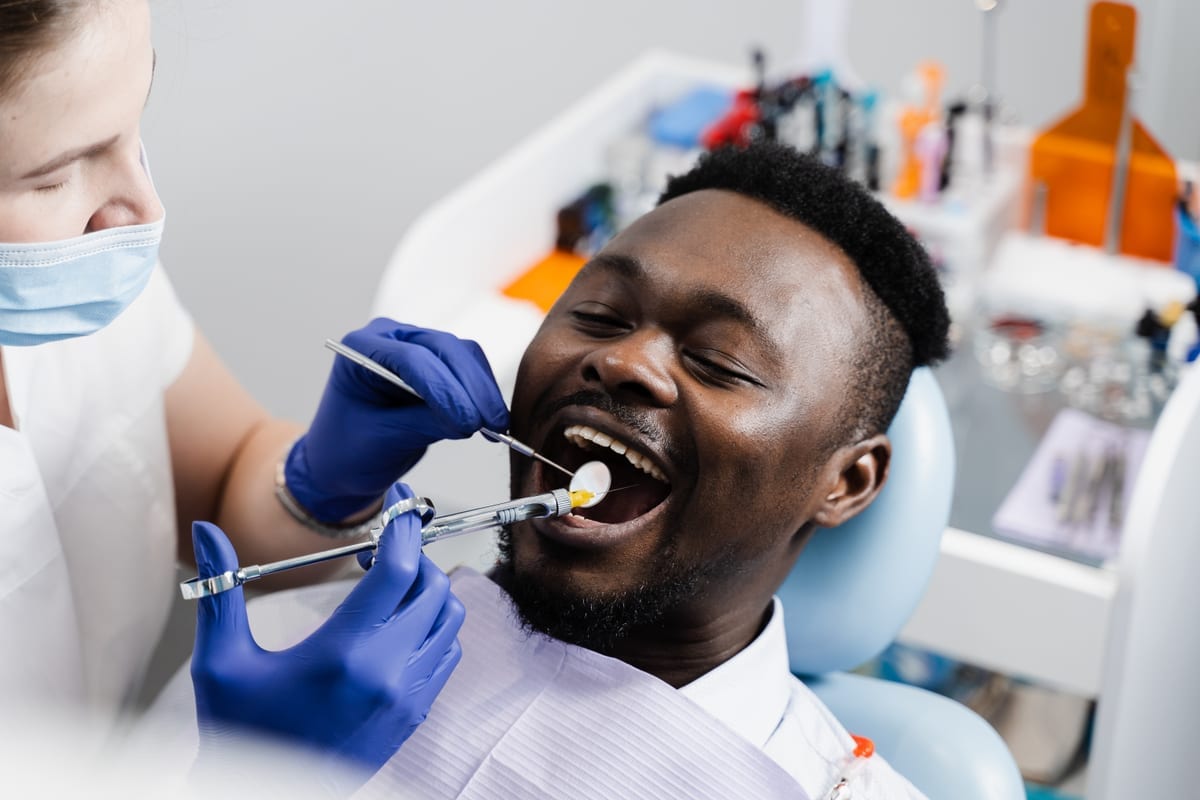
Local anesthesia is used during the placement procedure. Most patients report mild discomfort afterward, manageable with over-the-counter pain relief. Swelling and minor soreness are normal in the first few days.
Follow-up visits are an important part of the process. They allow your dental team to monitor healing and address any concerns. Attending these appointments supports the best possible outcome.
Caring for Your Dental Implants Long-Term
Implants require consistent oral hygiene to stay healthy. Plaque can build up around implants just like natural teeth. Neglecting care can lead to a condition called peri-implantitis, which is inflammation around the implant.
Daily brushing and flossing remain essential habits. Interdental brushes or water flossers can also help clean around the implant base. Your dental team can demonstrate the best techniques for your specific restoration.
Regular professional cleanings are equally important. Routine visits allow your dentist to detect early signs of complications. Catching problems early protects your investment and your oral health.
- Brush twice daily with a soft-bristle toothbrush.
- Floss or use an interdental brush around the implant site daily.
- Avoid chewing very hard items like ice or hard candies.
- Schedule professional cleanings every six months or as recommended.
- Notify your dental team promptly if you notice pain or swelling.
Lifestyle habits also matter for implant longevity. Smoking significantly increases the risk of implant failure. Quitting tobacco is one of the best things you can do for implant and overall oral health.
Dental Implants vs. Other Tooth Replacement Options
It helps to understand how implants compare to alternatives. Bridges and dentures are common options for tooth loss. Each has distinct advantages and limitations.
Traditional bridges require reshaping the teeth on either side of the gap. This permanent alteration can affect healthy tooth structure. Implants, by contrast, stand independently without altering adjacent teeth.
Removable dentures are less invasive and generally quicker to place. However, they may shift during eating or speaking. Many patients find them less comfortable than fixed solutions.
Implants are often considered the gold standard for tooth replacement. They most closely replicate the function and feel of natural teeth. Our team at Lux Smiles Cosmetic Dentistry and Prosthodontics can help you weigh your options carefully.
Conclusion: Taking the Next Step Toward a Restored Smile
Dental Implants offer a proven path to restoring function, appearance, and confidence. They are a long-term investment in your oral health and quality of life. Understanding the process empowers you to approach treatment with clarity and confidence.
Every patient’s situation is unique. A personalized consultation is the best way to determine if implants are right for you. Our dental team is experienced in cosmetic dentistry and prosthodontics, making them well-equipped to guide you.
If you are considering implants or have questions about tooth replacement, we encourage you to reach out. You can also explore our full range of dental services to learn about all available treatment options. Learn More about how we can help you.
Frequently Asked Questions
How long do Dental Implants last?
With proper care and regular dental visits, implants can last many decades. The titanium post itself is designed to be a permanent fixture in the jawbone. The crown on top may eventually need replacement after significant wear, typically after 10 to 15 years.
Is the Dental Implant procedure painful?
The procedure is performed under local anesthesia, so you should not feel pain during placement. Mild soreness and swelling are normal in the days following surgery. Most patients find this manageable with over-the-counter pain relief and ice packs.
How many teeth can be replaced with implants?
Implants can replace a single tooth, multiple teeth, or even an entire arch. Implant-supported bridges and full-arch restorations use multiple implant posts for support. Your dental team will recommend the most appropriate approach based on your specific needs.
Can Dental Implants fail?
Implant failure is uncommon but can occur. Risk factors include smoking, uncontrolled health conditions, poor oral hygiene, and insufficient bone density. Following your dental team’s aftercare instructions significantly reduces the risk of complications.
What is the difference between a prosthodontist and a general dentist for implants?
A prosthodontist is a dental specialist with advanced training in restoring and replacing teeth. They have expertise in complex cases involving implants, crowns, and full-arch restorations. General dentists can also place implants, but prosthodontists are specifically trained in the full scope of tooth replacement treatment.